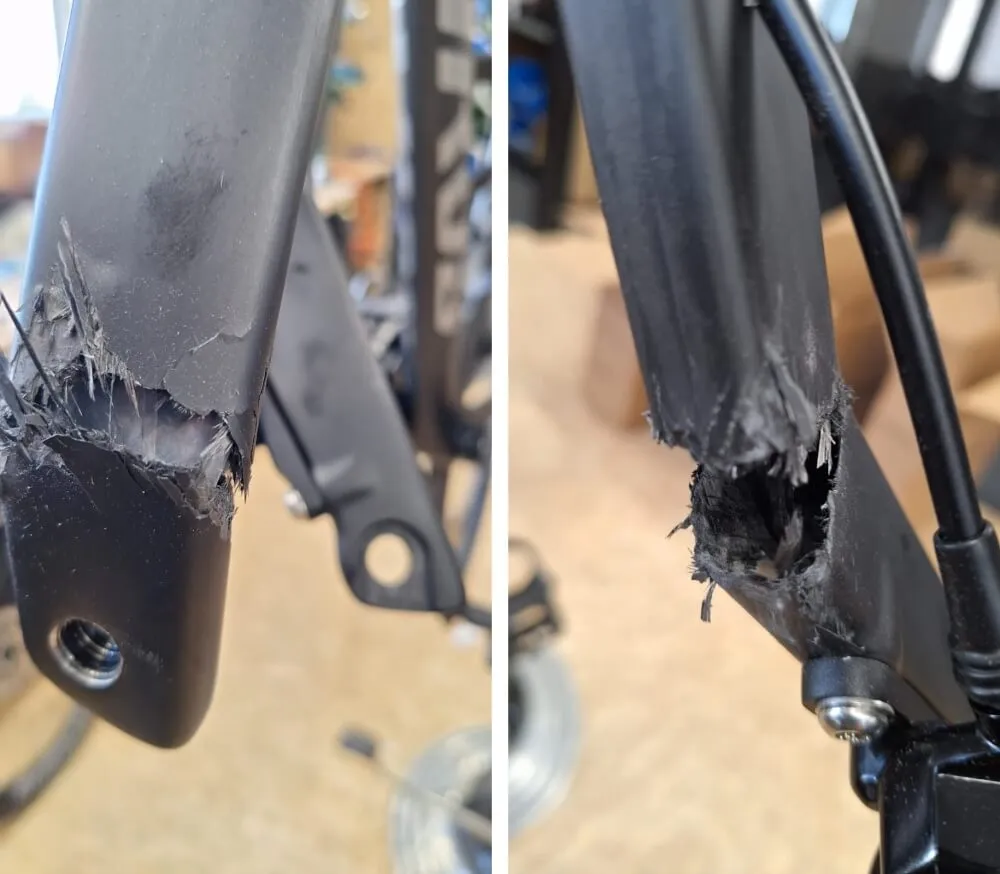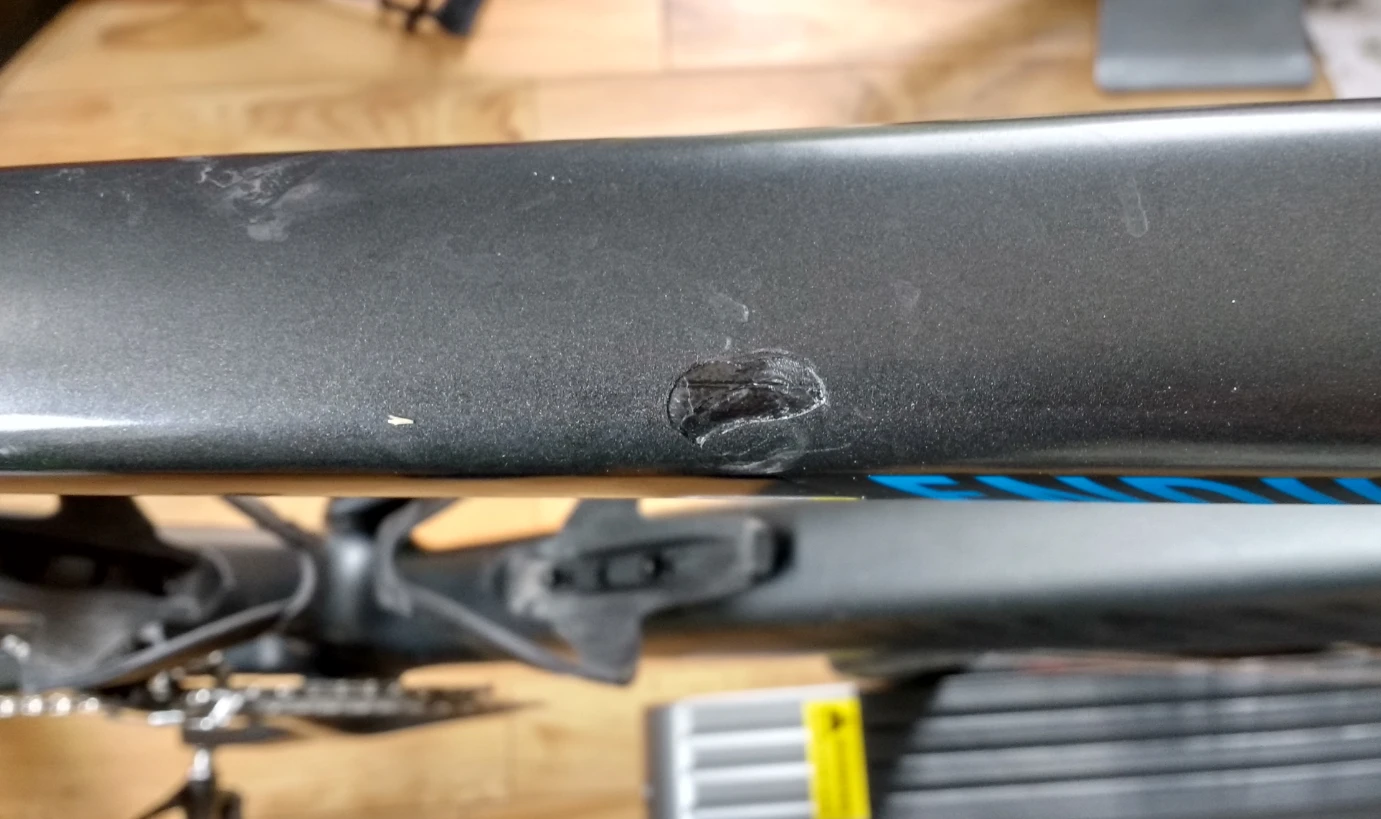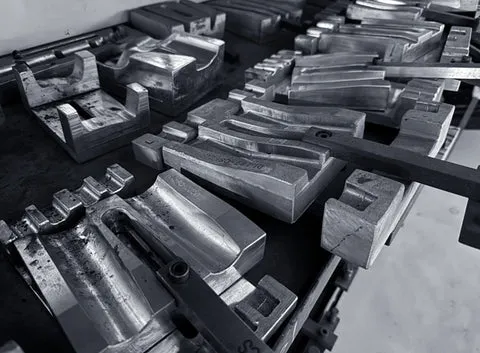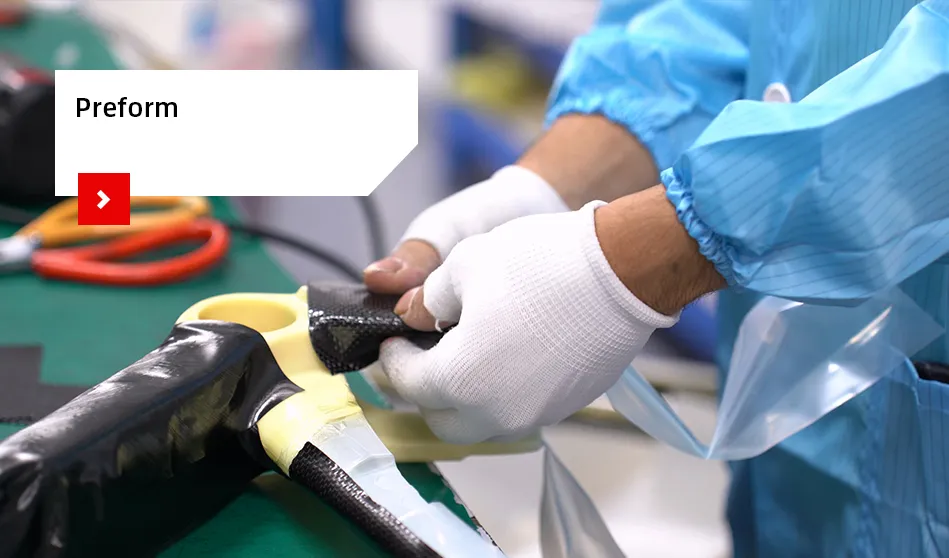
For top-tier brands, a frame’s performance ceiling is set during carbon bike frame preforming. This phase integrates carbon fiber layup, pre-preg layup, and the frame preform process—decisions that dictate final structural integrity and weight. It is an industry axiom: 70% of performance variance stems from precision within the composite layup process and material layup engineering. Mature manufacturers prioritize carbon frame preform shaping and the fiber placement process to eliminate wrinkles and voids, cementing consistency and fatigue life from day one.
Decoding Carbon Bike Frame Preforming: Definition and Core Value
Carbon bike frame preforming is the critical structural bridge between raw design and final molding. It is far more than a middle step; it dictates downstream production efficiency and defines the consistency and yield rates of the final product. In high-end carbon fiber frame manufacturing, preforming is the non-negotiable technical foundation.
1.1: The Strategic Position of Preforming in the Manufacturing Chain
In the production sequence, carbon bike frame preforming acts as the gateway of the composite layup process. Its primary function is to transform carbon fiber layup and pre-preg layup into a stable pre-skeleton. During this frame preform process, precise carbon frame preform shaping locks materials into the exact bicycle frame structural design, providing a reliable baseline for molding, curing, and finishing.
1.2: Why Preforming Dictates On-Road Performance
At its core, preforming is the physical execution of material layup engineering. Its precision determines the load paths and structural integrity of the carbon plies. A refined fiber placement process is what allows engineers to maximize the stiffness-to-weight ratio. In carbon composite engineering, the vast majority of performance variance is decided at this stage, separating premium chassis from generic frames.
The Core Workflow of Carbon Bike Frame Preforming (Step-by-Step)
The performance ceiling of a carbon frame is effectively set during carbon bike frame preforming. From material selection to structural buildup, every tactical move dictates the final balance of stiffness, weight, and fatigue life. By maximizing the potential of the multi-layer composite structure and strictly managing directional strength, we leverage precision layup technology to eliminate voids and wrinkles. This ensures a traceable, ultra-stable OEM / ODM supply chain that delivers lightweight chassis without compromising structural integrity.
2.1. Material Prep: The Reality of Pre-preg vs. Dry Fiber
Material selection is the foundational logic of the frame preform process. pre-preg layup, with its integrated resin system, offers superior stability—making it the gold standard for high-performance race frames. Conversely, dry fiber preforming excels in RTM applications where high-volume cost efficiency is the priority. Strategic carbon fabric layup ensures fiber orientation aligns perfectly with load paths, providing a rock-solid baseline for curing.
2.2. Carbon Fiber Layup and the Layering Process
The layering strategy defines the frame’s ride characteristics. Adhering to the 0°/45°/90° engineering principles, the carbon fiber layering process allows for absolute directional strength control. Optimizing this multi-layer composite structure is the only way to achieve the sophisticated balance between lateral stiffness and torsional rigidity.
2.3. Frame Preform Process: Structural Shaping
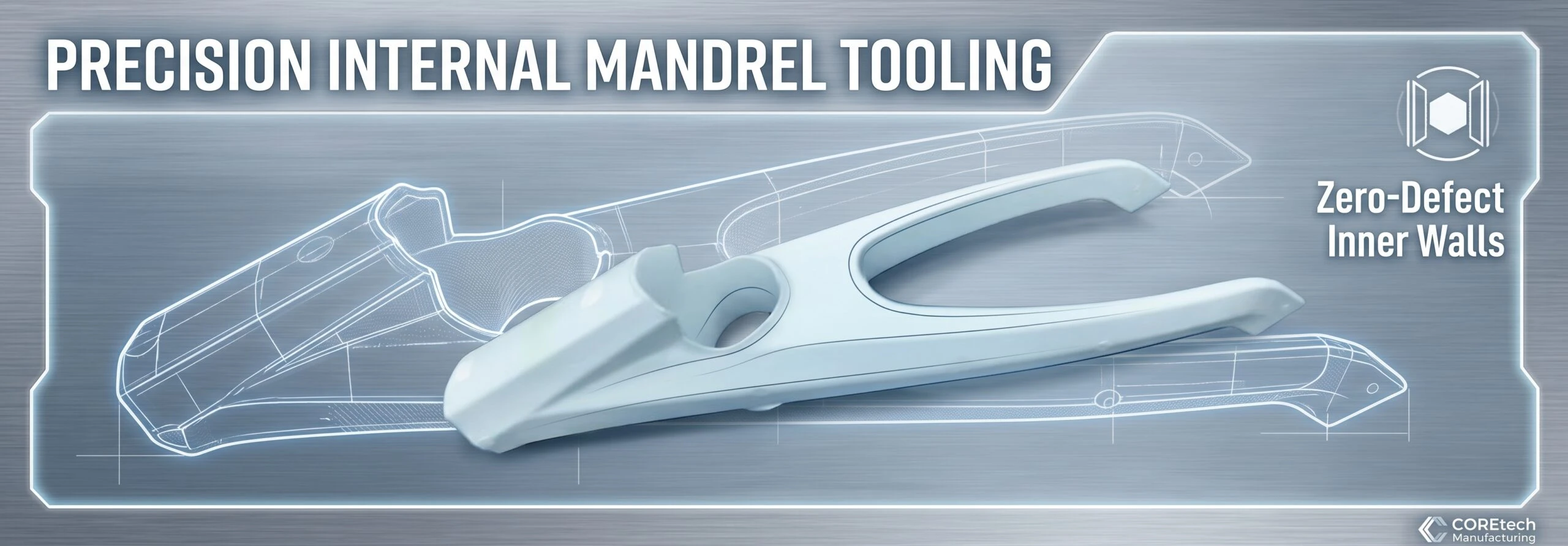
During this phase, we utilize EPS or latex bladders to execute the carbon frame preform shaping. The focus is on flawless ply compaction and seamless transitions. By combining EPS molding carbon frame techniques with internal bladder molding bike frame technology, we achieve high-fidelity shaping in complex junctions, effectively neutralizing the risk of internal wrinkles.
2.4. Fiber Placement Process: Precision Execution
Whether through meticulous hand-layup or automated fiber placement (AFP), the objective of the fiber placement process is total uniformity. Advanced precision layup technology eliminates common industry headaches like wrinkling or bridging, ensuring that every frame off the line performs identically to the master prototype.
2.5. Preforming Quality Control (The QC Redline)
QC is embedded into the DNA of the preforming phase. Using carbon fiber defects inspection and rigorous composite quality control methods, we pinpoint potential issues before the mold ever closes. This guarantees that our OEM / ODM partners receive traceable, high-standard batches that exceed the stringent safety and performance requirements of the Euro-American markets.
Engineering Challenges in Carbon Frame Preform Shaping
During carbon frame preform shaping, engineers must balance complex geometries with material anisotropy, effectively setting the ceiling for stiffness, weight, and durability. By leveraging high-precision material layup engineering and an optimized composite layup process, we strike a critical balance between lightweight carbon frame design and high stiffness bike frame engineering for our OEM partners.
3.1: Managing High-Stress Junctions (BB, Headtube, Chainstays)
Critical load centers like the BB, headtube, and chainstays demand rigorous local reinforcement and ply-drop transitions during carbon fiber layup. Utilizing a meticulous fiber placement process for multi-layer stacking, the primary objective is to eliminate wrinkles and voids, ensuring the chassis maintains absolute structural redundancy under peak impact.
3.2: The Synergy of Lightweight and Strength
Optimizing fiber orientation and thickness through material layup engineering is the only way to achieve true high stiffness bike frame engineering. Because Road, MTB, and Gravel platforms have distinct rigidity and compliance requirements, the factory tunes pre-preg layup or dry fiber preforming at the source to maximize performance consistency.
The Impact of Preforming Technology on Frame Specialization
A carbon frame’s category-specific performance is effectively decided during the preforming phase. Whether for Road, MTB, or Gravel, carbon frame preform shaping and the composite layup process form the foundational logic for rigidity, durability, and weight. Precise carbon fiber layup does more than hit a weight target; it defines the impact resistance and compliance profile. For brands, a manufacturer’s mastery of material layup engineering—specifically the ability to eliminate wrinkles and voids in pre-preg layup—is the ultimate safeguard for long-term reliability.
4.1: Road Bike Frames: Maximizing Stiffness-to-Weight
Road frames demand an aggressive focus on power transfer and weight reduction, necessitating surgical precision in carbon fabric layup and fiber orientation. By leveraging high-fidelity pre-preg layup and a stable frame preform process, we ensure maximum energy efficiency during high-speed sprints. For premium brands, optimizing the stiffness-to-weight ratio at this level is the entry ticket to the high-end market.
4.2: MTB Frames: Impact Resilience and Structural Redundancy
MTB engineering prioritizes toughness. The composite layup process typically employs a high-redundancy, multi-layer architecture to bolster local reinforcement. By fine-tuning the best carbon layup for MTB frame and the fiber placement process, the chassis maintains its integrity under harsh bottom-outs while mitigating fatigue risks—a critical benchmark for OEM partners in large-scale production.
4.3: Gravel/All-road: Balancing Compliance and Durability
Gravel and All-road architectures require a sophisticated blend of vertical compliance and ruggedness. During carbon frame preform shaping, we utilize a specialized fiber placement process to enhance vibration damping without sacrificing lateral stiffness. This targeted material layup engineering is what drives gravel bike frame durability design, perfectly aligning with the Western market’s demand for high-performance versatility.
Dry Fiber Preforming vs. Pre-preg Layup: Sourcing Guide
Selecting the right preforming technology effectively locks in your cost ceiling, lead times, and performance headroom. For OEM carbon bike frame manufacturing and custom carbon frame production partners, mastering this distinction is the only way to maximize margins and throughput without compromising structural integrity.
| Process Type | Pre-preg Layup | Dry Fiber Preforming |
|---|---|---|
| Material State | Pre-impregnated with resin | Dry fiber, resin injected later |
| Process Control | High precision, stable resin content | Depends on resin infusion consistency |
| Weight & Performance | Optimized stiffness-to-weight ratio | Slightly heavier, lower precision |
| Production Efficiency | Longer cycle time | Faster for mass production |
| Cost Structure | Higher material and storage cost | Lower material cost |
| Application | High-end road, MTB, performance bikes | Entry-level to mid-range frames |
| Consistency | Excellent repeatability | Moderate, depends on process control |
| OEM/ODM Suitability | Ideal for premium custom projects | Suitable for large-volume production |
5.1: The Performance vs. Cost Trade-off
Dry fiber preforming is the heavy hitter for high-volume production, offering lower raw material costs and rapid stacking, though it demands surgical precision during infusion. On the other hand, pre-preg layup remains the gold standard for high-end Road and MTB platforms, providing the stable resin ratio and superior fiber placement process accuracy essential for aggressive weight and stiffness targets.
5.2: Strategic Advice for OEM/ODM Partners
Process selection must align with your brand positioning. Premium labels seeking absolute consistency should stick with pre-preg layup, while high-volume brands can leverage dry fiber preforming to open up significant margin space. A mature manufacturer utilizes expert material layup engineering to ensure a seamless transition from rapid prototyping to mass production, maintaining carbon frame preform shaping stability throughout the product lifecycle.
Setting the Benchmark for Carbon Bike Frame Preforming
With over a decade of expertise, we understand that every millimeter in carbon bike frame preforming defines the structural ceiling of the chassis. By integrating material layup engineering and precision carbon fiber layup templates, we deliver validated, repeatable preforming solutions that meet the most stringent Euro-American standards.
6.1: A Decade of Data: Proprietary Layup Database
Our library of layup templates for Road, MTB, and Gravel is validated through rigorous fatigue-tested design protocols. From carbon frame preform shaping to the directional optimization of carbon fabric layup, we ensure your frame hits the sweet spot between load capacity, rigidity, and weight.
6.2: Seamless Integration: From 3D Design to Physical Preforming
We integrate CAD + FEA analysis with layup simulation to stress-test fiber orientations in a virtual environment, neutralizing stress concentrations before production. This ensures surgical precision in both pre-preg layup and dry fiber preforming, drastically boosting structural reliability.
6.3: Rigorous Quality Control Framework
Every preform process step is fully traceable. As a high quality carbon frame factory, we mandate dual-layered structural and fatigue bench testing. We also provide bespoke optimization for custom carbon bicycle frame supplier OEM requirements, ensuring the final ride feel aligns perfectly with your performance targets.
Future Trends: The Evolution of Carbon Bike Frame Preforming
Carbon manufacturing is moving beyond manual craft. Carbon bike frame preforming is rapidly evolving toward data-driven automation. By re-engineering the composite layup process and fiber placement process, manufacturers are slashing R&D cycles while maintaining aggressive weight targets. As sustainable materials and monocoque innovations take center stage, OEM/ODM partners now have access to unprecedented flexibility and greener, high-performance solutions.
7.1: Automation and Intelligence (AFP / AI-Optimized Layup)
Modern automated fiber placement (AFP), powered by AI, allows for absolute control over carbon fiber layup orientation and ply thickness. This effectively neutralizes the risk of wrinkles and voids, delivering ultra-stable structural repeatability for high-end MTB, Road, and Gravel platforms—translated directly into shorter lead times for volume buyers.
7.2: The Sustainability Shift (Recycled Carbon Fiber)
Driven by regulatory pressure, recycled carbon fiber and sustainable carbon fiber bikes are no longer optional for premium brands. By integrating reclaimed fibers within material layup engineering, manufacturers can trim costs without sacrificing the stiffness-to-weight ratio, satisfying both eco-conscious mandates and performance demands.
7.3: Complex Monocoque Evolution (One-piece Molding)
One-piece molding is pushing the boundaries of carbon frame preform shaping, enabling the seamless integration of the headtube and stays. This maximizes global stiffness while eliminating stress concentrations and parasitic weight at traditional junctions—providing a rock-solid foundation for the next generation of racing chassis.
Conclusion: Why Preforming is the Decisive Factor for Carbon Frame Success
Carbon bike frame preforming is the foundational architecture of the chassis; it effectively defines the ceiling for stiffness, weight distribution, and fatigue life. By mastering the composite layup process and ensuring a high-precision fiber placement process, a manufacturer guarantees absolute performance consistency across every unit. For B2B partners, aligning with a factory that possesses deep carbon frame manufacturing expertise is far more critical than simply chasing premium materials—it is the only way to ensure structural stability and reliable delivery for elite MTB, Road, and Gravel platforms.