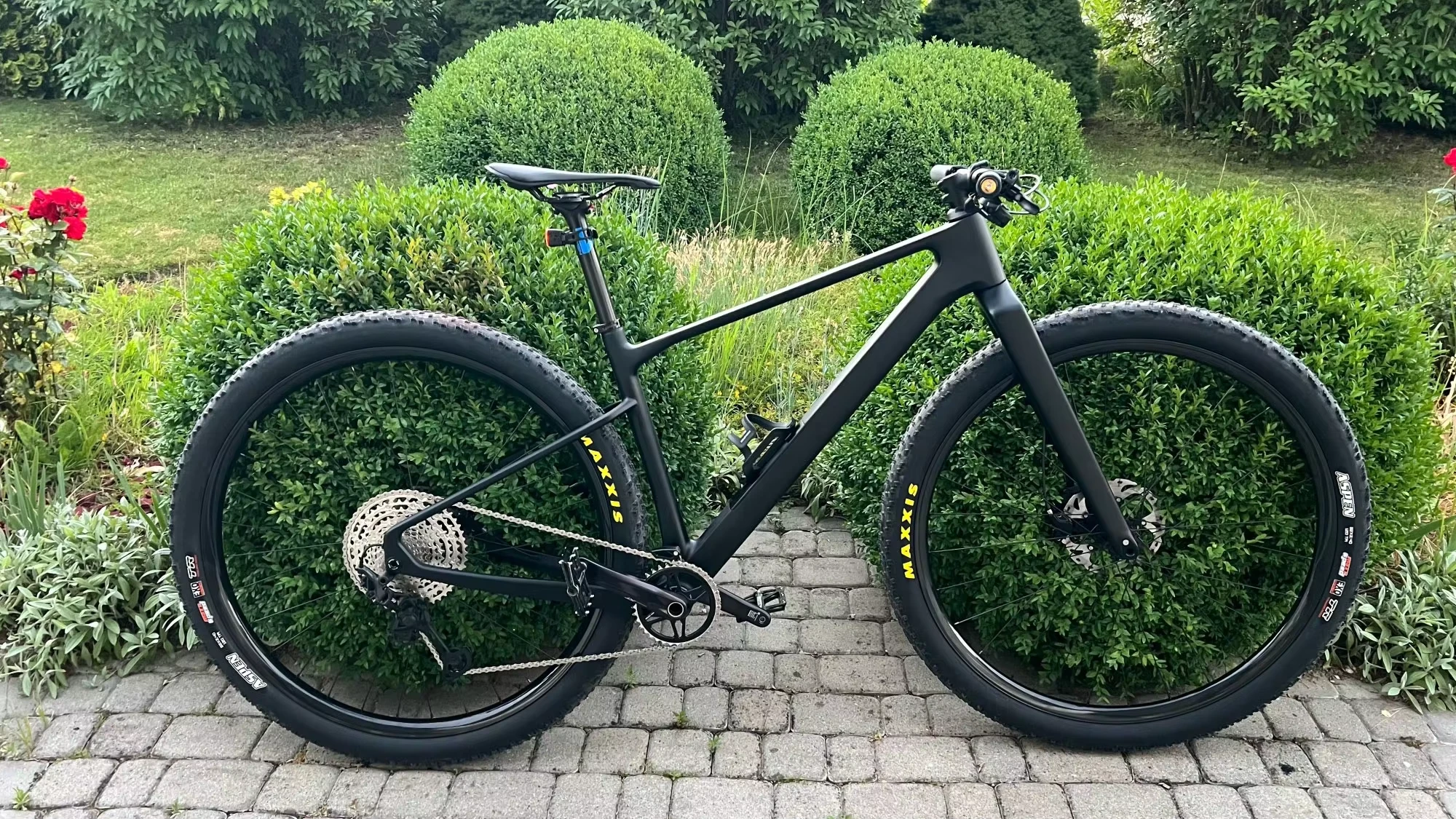
Anyone who has ridden 200 kilometers on gravel knows that simply having a “soft” ride isn’t enough. True comfort comes from the frame’s ability to absorb vibrations and a geometry designed for long-distance riding without fatigue.When developing our gravel bike frames, our focus is on how carbon fiber layup can distribute the load on core muscle groups, allowing riders to maintain stable control all the way to the finish line. Rather than focusing on flashy specifications, this systematic approach to designing for ultra-long distances is the core design philosophy of our experienced manufacturing team. Our CR060 gravel frame, designed with these principles in mind, is the perfect solution for long-distance bikepacking and gravel adventures, offering both comfort and performance throughout the ride.
200 km: The True “Watershed” for Testing Gravel Bike Frame Performance
In the gravel cycling world, 200 kilometers is a brutal screening threshold. Many frames perform aggressively in short-distance tests, but after riding for more than 6 hours, design flaws become infinitely magnified.
Body feedback trumps parameters: Numbness in the arms or stiffness in the lower back during long rides is often due to insufficient vertical compliance in the gravel frame. If the frame cannot filter high-frequency vibrations, this energy forces the core muscles to “fight against” the vibrations, leading to premature fatigue, which cannot be solved by simply adjusting the saddle height.
Sensitivity is a double-edged sword on long rides: High-rigidity carbon gravel frames that prioritize instantaneous feedback are advantageous in short distances, but on long, unpaved roads, overly sensitive road feel can evolve into continuous nerve stimulation. Riders need to constantly make minor adjustments to maintain stability, and this unconscious effort accumulates into significant mental fatigue.
Damping characteristics outweigh pure rigidity: The value of a mature gravel bicycle frame lies in its “shock absorption intelligence.” From an engineering perspective, we optimize the carbon fiber layup to allow the frame to filter ground chatter like a spring while maintaining lateral rigidity. This is the core guarantee for sustained performance over 200 kilometers.
Engineering Logic: The Three Pillars of Long-Distance Comfort
A gravel bike frame built for 200 km rides is not about adding more material or making the frame “softer.” True long-distance comfort comes from a balanced system of geometry, carbon layup, and suspension strategy. Together, these elements define how rider load is distributed, how road feedback is filtered, and how the frame adapts to varying gravel conditions over extended hours in the saddle.
2.1: Geometry: The Chassis for Fatigue Control
Endurance-focused gravel bicycle frame geometry starts with a well-managed stack-to-reach ratio. A slightly higher front end reduces sustained load on the wrists, shoulders, and upper back. At the same time, a longer wheelbase combined with a lower BB drop improves tracking stability under fatigue and when carrying gear, keeping the bike calm and predictable over long distances and rough surfaces.
2.2: Carbon Layup: The “Invisible Switch” for Vibration Filtering
High-quality carbon gravel frames take advantage of carbon fiber’s anisotropic behavior through directional layup. While lateral stiffness is maintained around the bottom bracket for efficient power transfer, flattened seatstays and a tuned seat tube introduce controlled vertical compliance. This structure works as a passive vibration damper, reducing continuous road buzz without sacrificing pedaling response.
2.3: Suspension: The Trade-off Between Active and Passive
On rougher terrain, suspension gravel frames and micro-suspension systems are becoming increasingly common. The key engineering challenge is balancing added travel with weight and efficiency. When properly tuned, the suspension curve allows the frame to absorb repeated impacts smoothly, while preserving the direct feel and climbing efficiency expected from a traditional gravel frame.
Easily Overlooked Details: How System Integration Enhances Comfort
Long-distance comfort isn’t just about frame geometry or material—well-integrated accessories matter too. From tire clearance to storage, these “small” details can determine whether you enjoy 200+ km on a gravel bike frame or struggle with fatigue and avoidable mechanical issues.
3.1: Wide Tire Clearance and Tire Pressure: The “Physical Suspension”
Gravel frames fitting 700×45c or 50c tires act like built-in suspension, absorbing high-frequency bumps. While carbon layup tweaks help, proper wide tire clearance and lower tire pressure give a more immediate improvement in comfort and stability over long rides.
3.2 Downtube Storage and the Handling Benefits of a Low Center of Gravity
Tools or supplies in handlebar or saddle bags can make the bike feel top-heavy. Internal downtube storage shifts weight near the bottom bracket, lowering the center of gravity, reducing core strain, and keeping the bike stable even when riders are fatigued.
3.3: The Psychological Security Provided by the UDH Standard
On remote gravel routes, reliability equals comfort. UDH (Universal Derailleur Hanger) gravel frames let riders replace damaged hangers with common parts, reducing stress and letting them focus on performance instead of worrying about breakdowns.
Manufacturing Perspective: Forging a True Long-Distance “Endurance Frame”
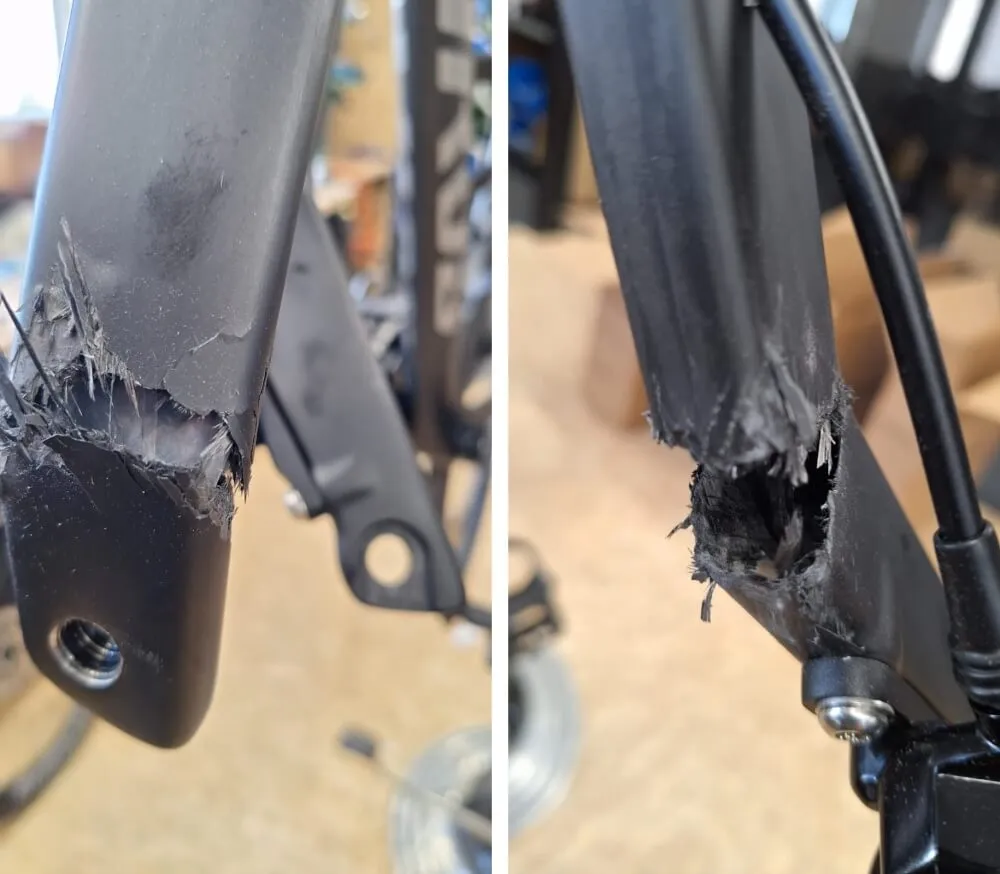
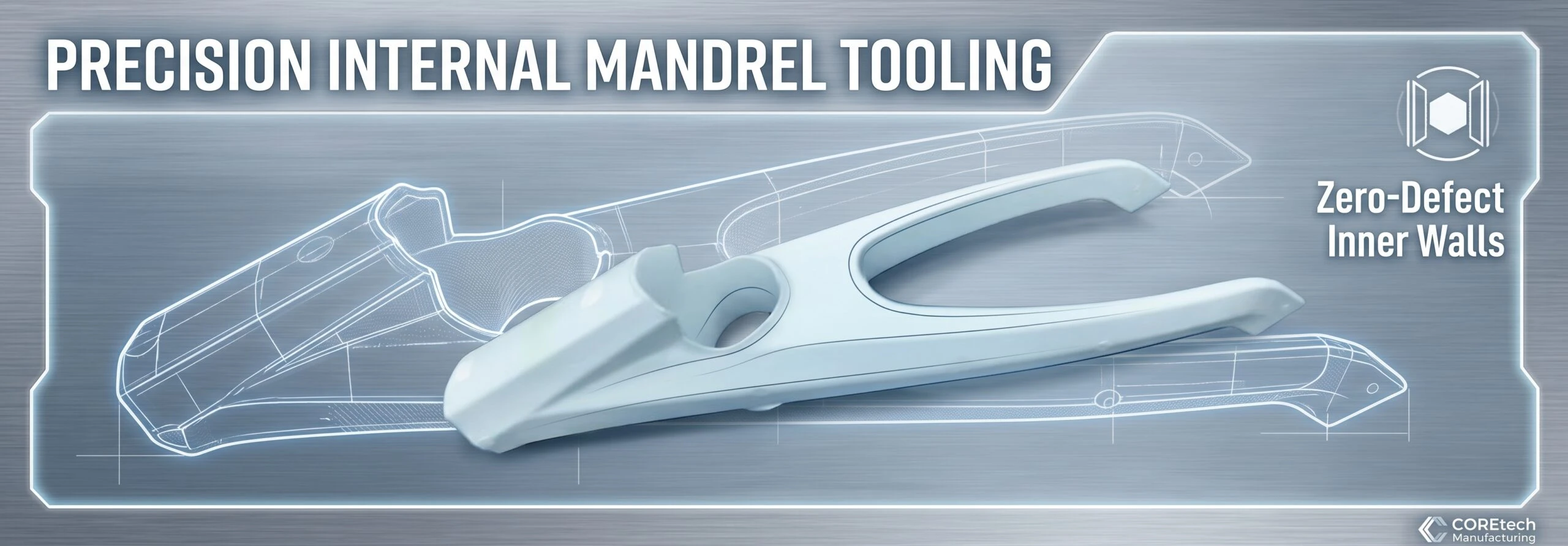
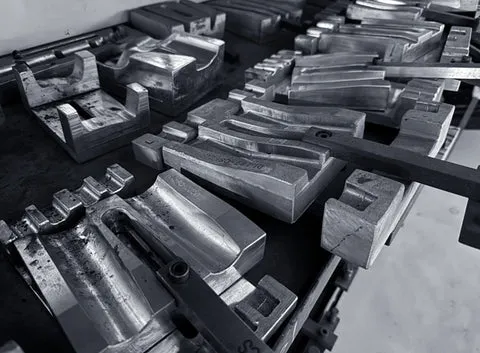
A gravel frame built to handle 200 km on rough terrain relies on factory precision, not just design slides. From mold development to the tension control of each carbon fiber layer, manufacturing accuracy determines whether the frame dampens vibrations or amplifies them.
4.1: Optimizing OEM and ODM Solutions
During OEM gravel bike frame development, we fine-tune carbon layup schedules to balance vertical compliance and lateral stiffness. Custom gravel frame geometry addresses fatigue for riders with extreme body types, correcting posture issues at the source. ODM gravel frame solutions let brands quickly gather comfort feedback and refine layup design using proven molds.
4.2: Verification System of a Professional Manufacturer
A top gravel frame manufacturer goes beyond ISO standards. We perform fatigue tests simulating 200 km on unpaved roads, verifying high-frequency vibration damping. Each carbon gravel frame is tested to ensure shock absorption and consistent performance across mass production, maintaining comfort on long-distance rides.
Who Truly Needs a “Comfort-First” Gravel Frame?
A comfort-engineered carbon fiber gravel frame isn’t for “slow” riding—it’s for functional endurance. This design is critical for three specific types of riders:
-
Ultra-Distance Racers: When racing for 10+ hours, fatigue is the enemy. A frame with high vibration damping allows you to stay in an aero position longer and maintain power output. In ultra-endurance, comfort is speed.
-
Bikepacking & Heavy-Load Travelers: Carrying gear changes a bike’s handling. A stable heavy load gravel frame prevents the “twitchy” steering that causes back and shoulder strain, keeping the bike predictable on loose descents under full load.
-
All-Terrain Explorers: If your goal is the summit rather than the podium, vertical compliance is vital. An optimized carbon gravel frameset absorbs the “chatter” of technical trails, ensuring you aren’t physically shattered before the ride ends.
Conclusion: Why is Comfort the Core Productivity of Gravel Riding?
1) Core Logic: Speed stems from fatigue resistance. In Gravel riding, comfort and speed are not opposing forces—comfort is the foundation of long-distance efficiency. A high-performance gravel frame, through precise geometry and carbon fiber layup, absorbs road impacts before they reach the rider. This minimizes wasted energy from vibrations, preserving your strength for the final sprint after 200 kilometers.
2) Partner Recommendation: As an experienced gravel frame manufacturer, we understand how carbon layup affects the bike’s overall resilience. We don’t just supply molds—we offer complete performance solutions. If you’re seeking an OEM/ODM solution that balances rigidity with all-weather comfort, let’s discuss how we can turn these engineering insights into a competitive edge for your brand.