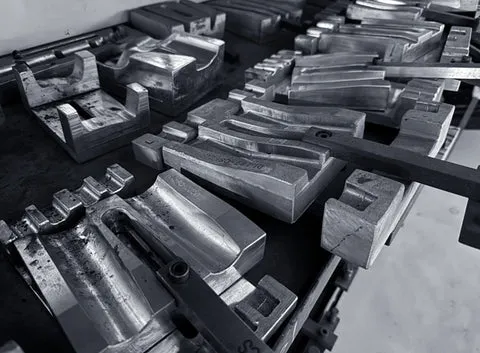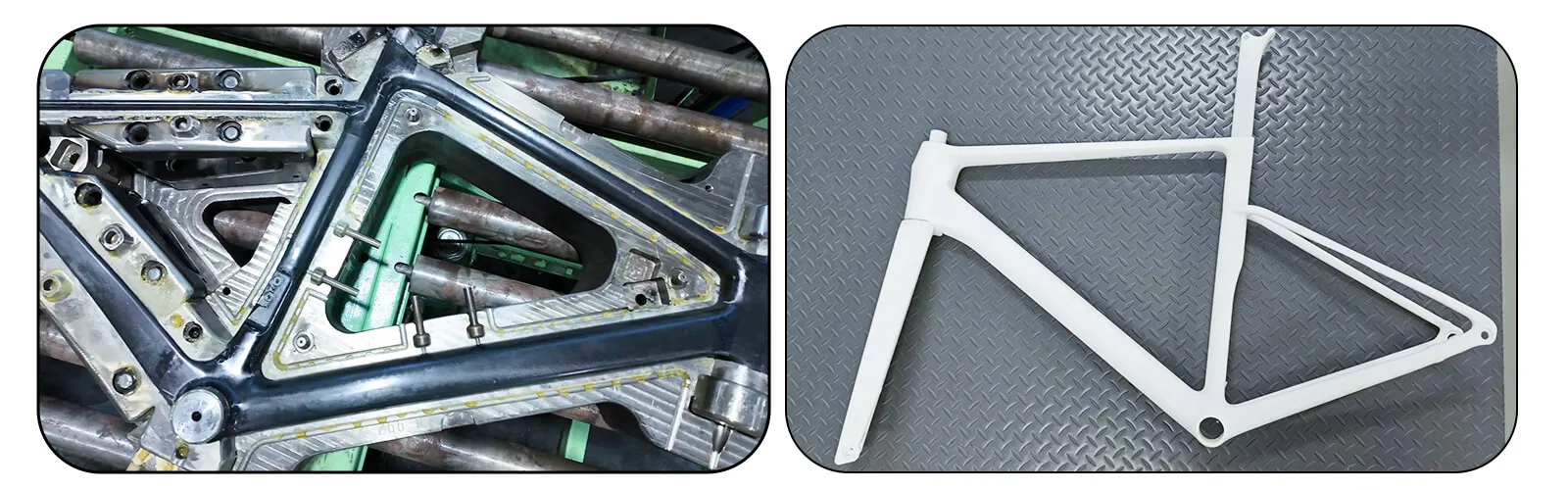
Choosing between open-mold and custom carbon bike frames is a crucial decision for riders when purchasing a carbon fiber mountain, road, or gravel bike. As a carbon bike frame manufacturer with over ten years of experience, we’ve found that custom frames allow for optimization of bike frame geometry, material layup, and stiffness, while open-mold frames offer advantages in cost and delivery speed. According to recent surveys by Pinkbike and MTBR, up to 60% of high-end riders prefer custom frames for off-road riding to achieve a more precise riding experience and support for integrated frame features.
1 Quick Understanding: Mainstream Types and Market Choices of Carbon Fiber Frames
The choice of carbon fiber frame directly determines a brand’s product line performance, cost base, and target audience. Whether it’s a mass-production solution aiming for high volume or a customized solution focused on performance, it all boils down to a trade-off between material layup, geometry, and manufacturing processes. For brands and buyers, understanding the “ins and outs” of different frame types is the first step in developing a product strategy.
1.1 Open-Mold: A High-Value, Quick Entry Ticket
The commonly referred to “open-mold frames” are usually produced by large ODM manufacturers, sharing molds and standardizing specifications. The core logic is:
- Commercial Advantages: Extremely low R&D barriers, extremely fast delivery cycles, saving on expensive mold development costs.
- Applicable Scenarios: Suitable for brands looking for quick market entry, targeting the mass consumer market or entry-level carbon fiber products.
- Manufacturing Core: Although the molds are the same, the supplier’s control over carbon fiber grade and layup logic is crucial. Even with open molds, strict quality control (QC) is necessary to ensure the frame’s durability.
1.2 Custom Frames: A Differentiated Moat for High-End Brands
Customized solutions are more like “tailor-made,” not only meeting specific riding data but also showcasing the true expertise of OEM manufacturing:
- Performance Optimization: Precisely adjusting the number of carbon fiber layers and material modulus according to needs, pursuing rigidity while creating more brand-recognizable geometric shapes.
- Functional Integration: Allows for the addition of differentiated features such as built-in storage space and fully internal cable routing systems, completely escaping homogeneous competition.
- Brand Value: Through exclusive geometric design and proprietary layup technology, it provides high-end riders with unparalleled handling feedback, establishing a technological barrier for the brand.
2. Open-Mold vs. Custom: Which Solution Best Fits Your Business Logic?
When choosing a carbon fiber frame, the core of the decision usually lies in finding a balance between delivery speed, budget constraints, and brand premium. Open-mold frames offer the greatest advantage in terms of “off-the-shelf” availability and extremely low initial investment; while custom carbon frames allow for comprehensive brand integration, from geometric settings and tube design to layup stiffness. In actual evaluation, you shouldn’t just look at the unit price, but also consider the craftsmanship of the carbon fiber layup, the stability of quality control (QC), and the overall cost-effectiveness.
2.1 Riding Scenarios and Positioning: General Purpose or Extreme Performance?
The requirements for frame geometry and material distribution vary greatly depending on the riding discipline:
- Open-mold solution: Often uses balanced, moderate geometric settings to accommodate the needs of most ordinary cyclists. If you are looking to quickly enter the market and target a broad audience, open-mold is the most efficient choice.
- Custom solution: Allows you to incorporate specific features into the frame design stage (such as more aggressive downhill geometry or aerodynamic tube shapes for specific races). For brands pursuing ultimate performance and aiming to build a reputation among hardcore riders, customization is the only way to go.
2.2 Budget Constraints and Long-Term Cost-Benefit Ratio
Cost control is not just about the unit price of the frame, but also the investment in the development cycle:
- Short-term costs: Open-mold frames save on expensive mold costs and lengthy fatigue testing, making them ideal for budget-sensitive projects or pilot product lines.
- Long-term value: Although custom solutions have higher initial R&D costs, they offer greater returns in product differentiation and brand premium. Through precise control of production costs, custom frames often achieve better profit margins in the high-end market.
2.3 Core Thresholds: The Real Difference in Layup Quality and Durability
Regardless of the chosen model, the underlying manufacturing process is the foundation that determines the longevity of the partnership:
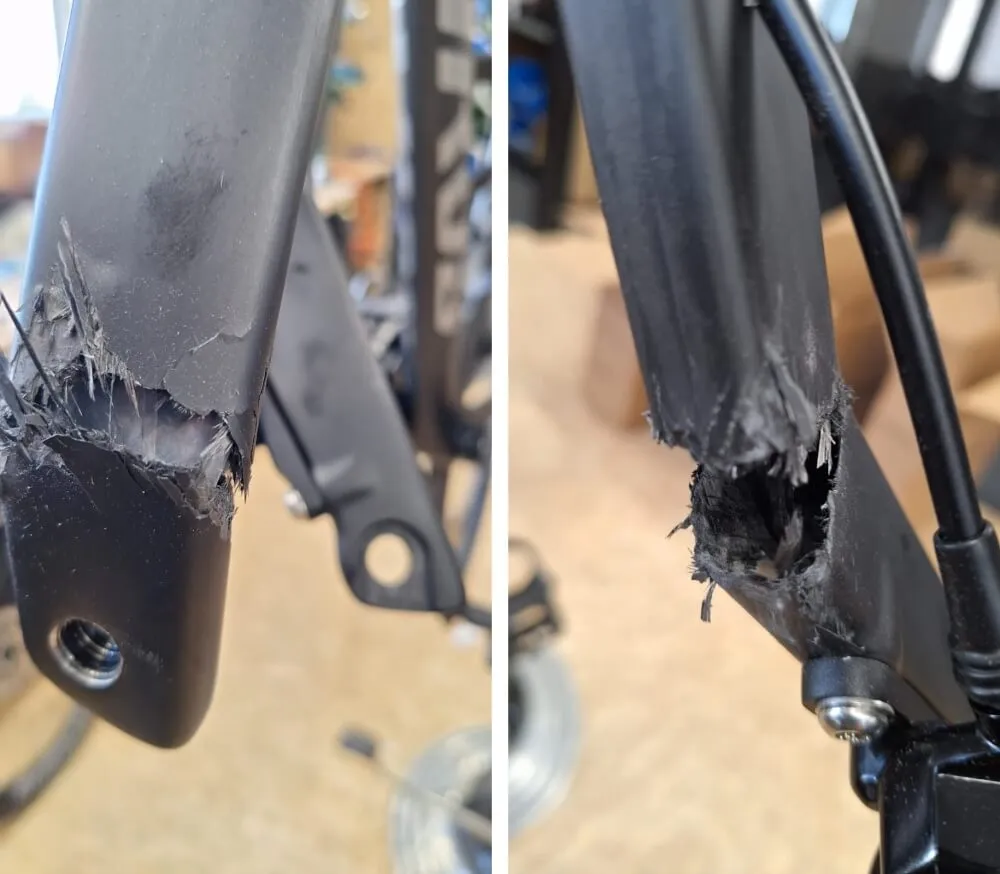
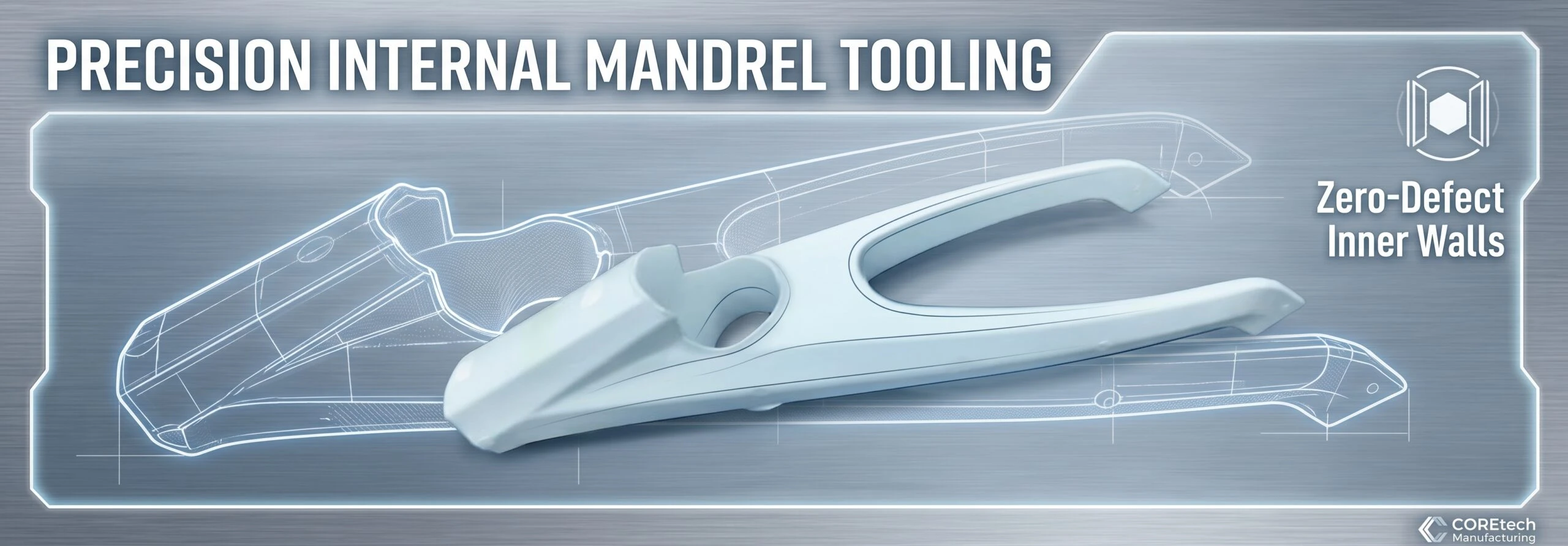
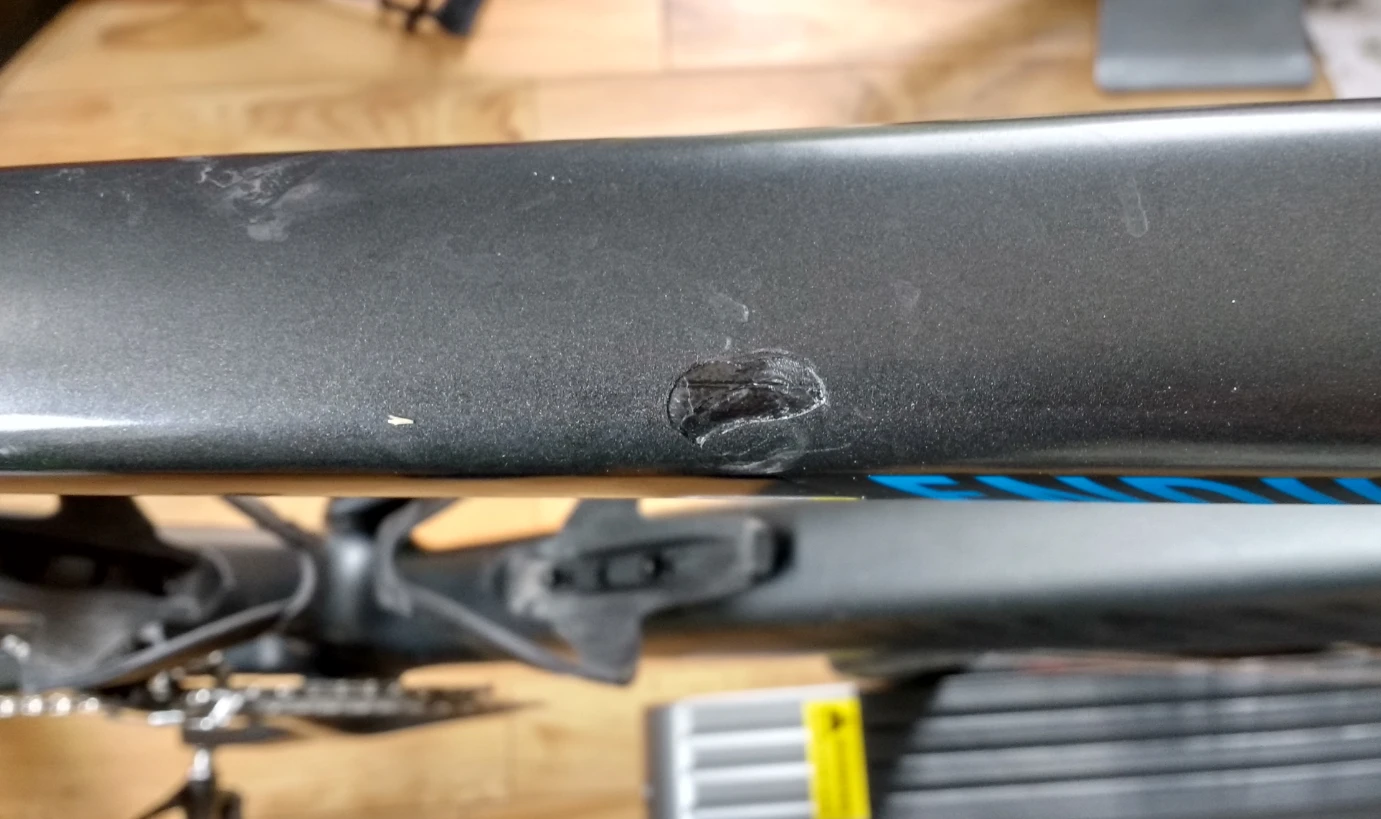
- Layup Quality: For frames with the same appearance, the precision of the internal fiber layup determines whether it will be a “rigid powerhouse” or a “fragile, easily broken product.”
- Quality Control System (QC): Excellent carbon fiber bicycle manufacturers not only need design capabilities but also stable tolerance control. Choosing a supplier that provides transparent test reports and high consistency in mass production is key to avoiding future after-sales disputes.
3 Differentiated Design: The Key to the Frame’s Core Competitiveness
Frame design is not only crucial for riding feel but also the foundation of product premium and brand reputation. Whether it’s custom development (Custom Carbon) or a mature standard mold, geometric precision and material selection directly define the handling limits and durability of the entire bicycle. For brand clients, the ability to differentiate in terms of rigidity, vibration damping, and integrated functions is central to determining their market position.
3.1 Geometric Optimization: The Handling Logic of Human-Machine Integration
The core of modern geometric design lies in the precise tuning of Handling Optimization:
- Scenario Adaptation: By adjusting the head tube angle, wheelbase, and bottom bracket height, the frame achieves a balance between efficiency in XC climbing and stability in Downcountry downhill riding.
- Feedback Precision: Excellent geometric settings provide clearer and more predictable steering feedback, ensuring the rider maintains the optimal rhythm on complex terrain.
3.2 Material Technology: The Art of Balancing Rigidity and Lifespan
The essence of a high-performance frame is the scientific combination of advanced materials and layup logic:
- Zonal Reinforcement: Utilizing High-Modulus Carbon for precise stacking in stress-bearing areas such as the bottom bracket, achieving both lightweight design and improved pedaling efficiency.
- Stress Distribution: By optimizing the orientation of UD fibers, stress distribution is improved, significantly extending the frame’s fatigue life while enhancing overall strength.
3.3 Functional Integration: Enhancing Product Added Value
The integration of detailed functions is the killer feature for differentiating products from the competition:
- Integrated Design: Hidden internal cable routing and integrated storage space optimize visual appeal while demonstrating a higher level of engineering design capabilities.
- Customized Value-Added Features: Combining personalized paint schemes and modular accessories precisely addresses the high-end market’s strong demand for uniqueness and systematic tool storage.
4 Supply Chain and Manufacturing: How to Ensure Designs Don’t Just Stay on Paper?
Choosing a Carbon MTB Frame is essentially choosing the supply chain system behind it. When evaluating a bike frame manufacturer, qualifications are important, but the core factor is the maturity of their OEM and ODM models and their execution capabilities, from sample inspection to mass production quality control. These aspects directly determine whether your product can be delivered on time, with high quality, and with a competitive advantage.
4.1 Selecting Reliable Suppliers: Don’t Just Look at Factory Size
How to choose a truly professional manufacturing partner from among numerous contract manufacturers?
- Technical Expertise: Examine the factory’s patent accumulation in carbon fiber layup and its ability to tackle new geometric structures, rather than simply focusing on production capacity.
- Quality Consistency: Pay attention to the reputation of their long-term partner brands. A mature OEM manufacturer should have the stable output capability to handle complex orders, ensuring that the physical performance of the first and the 1000th frame are exactly the same.
4.2 OEM vs. ODM: Which Model is Right for You?
Understanding the fundamental differences between OEM and independent ODM development is crucial for business decisions:
- OEM (Original Equipment Manufacturing): Suitable for brands with mature design capabilities; the core needs are precise execution and patent protection.
- ODM (Original Design Manufacturing): Suitable for wholesalers who want to quickly bring products to market. Utilizing the factory’s existing molds and mature R&D results can significantly shorten lead times and reduce initial R&D investment.
- Decision Balance: The key is whether you want greater design autonomy or faster turnaround time.
4.3 Delivery Time and Quality Control: Avoid “Blind Box” Purchases
In the process of customizing carbon fiber frames, a rigorous process is the only guarantee:
- Sample Inspection: Before mass production, destructive testing and fatigue testing must be conducted to ensure that the structural strength meets the design intent.
- Mass Production QC Standards: A professional quality control process should cover the entire process from carbon fiber prepreg material warehousing to finished painting.
- Controllable Delivery: Only by establishing a transparent progress feedback mechanism can costs be controlled in a volatile market environment, avoiding missing peak sales seasons due to delivery delays.
5 2026 Market Outlook: A Leap from “Manufacturing” to “Creation”
Entering 2026, competition in the Carbon MTB market is no longer limited to cost and delivery time. Cross-generational innovation in materials, extreme performance optimization, and the pursuit of sustainable production are becoming key factors for brands to stand out. Wholesalers and brand clients must find a new balance between riding experience, user value, and supply chain feasibility when planning their product lines to meet increasingly discerning market demands.
5.1 Materials and Processes: The Underlying Logic of Next-Generation Frames
Breakthroughs in material technology are redefining the performance limits of next-generation frames:
- Greener High Performance: Environmentally friendly resins and recyclable carbon fiber technologies are maturing, meeting the global market’s strong demand for sustainable production.
- Process Evolution: Automated lamination and integrated molding technologies eliminate human-induced tolerances, achieving unprecedented consistency in the performance of mass-produced frames, providing strong product endorsement for brands.
5.2 Consumer Segmentation: The Trade-off Between Customization and Standardization
The demands of different levels of riders are accelerating their divergence:
- Deep Customization in the High-End Market: Enthusiasts and performance-oriented riders increasingly prefer custom frames that optimize specific riding experiences, pursuing ultimate personalization.
- Efficiency is King in the Mass Market: The mainstream market still relies on mature open molds, but places greater emphasis on delivery speed and the system integration of the complete bike (such as hidden cable routing and storage compartments).
5.3 Brand Decision Recommendations: How to Navigate Complex Trends?
When choosing carbon fiber partners or customization solutions, brands should establish a multi-dimensional evaluation system:
- The Trade-off Between Performance and Budget: Clearly define the product positioning, whether to break through in ultra-lightweight design or to differentiate through multi-functional integration.
- Long-Term Supply Chain Certainty: Evaluate the factory’s R&D redundancy and ability to comply with environmental regulations to ensure that the product not only “looks good” but can also be reliably “delivered.”
- User-Oriented Approach: All technical parameters must ultimately return to the riding experience, ensuring that every design change translates into positive user feedback.
6 The Ultimate Industry Dilemma: Open Mold vs. Full Customization?
In the Carbon MTB field, this is essentially a trade-off between TTM (Time to Market) and brand moat. Choosing an Open Mold allows you to quickly enter the market by leveraging mature R&D results, suitable for lower-tier channels pursuing ultimate cost-effectiveness; while Custom Carbon Bike Frames can build differentiated barriers in the high-end market through exclusive kinematics (suspension structure) and stiffness distribution.
| Feature / Aspect | Open-Mold Carbon Bike Frames | Custom Carbon Bike Frames |
|---|---|---|
| Production Cost | Lower, cost-effective for bulk orders | Higher, tailored for performance & fit |
| Lead Time / Delivery | Shorter, ready-made stock | Longer, requires design & sample approval |
| Geometry & Fit | Standardized sizes | Optimized for rider body and riding style |
| Performance / Ride Feel | Moderate | High, customized stiffness & handling |
| Aesthetic / Customization | Limited color & branding options | Fully customizable, including paint & logos |
| Suitable Rider / Market | Mass-market / budget-conscious riders | High-end / performance-oriented riders |
| Quality Control | Standard QC | Stringent QC with sample verification |
| Manufacturer Flexibility | Low | High, supports OEM/ODM customization |
6.1 In-depth Analysis: Choose Based on Your Business Model
High Volume, Mass Market: If your customers prioritize “ready-to-use” and mature geometry, choose a classic model from a reliable carbon bike frame manufacturer, combined with custom paint for quick delivery.
Premium Positioning, Breakthrough Strategy: To compete with top-tier big brands, you must deeply cultivate carbon fiber layup and integrated design to create unique next-generation frame characteristics.
Expert advice: Regardless of the chosen solution, it must pass ISO 4210 testing, with particular attention to headtube stiffness. Want to gain a competitive edge in the 2026 season? Contact HaideliBikes for the most competitive carbon fiber frame solutions, from fundamental carbon technology R&D to high-standard mass production and delivery.