According to product testing data from BikeRadar and CyclingTips, over 70% of the high-end gravel bike frames released in the past two years utilize carbon fiber construction, and tire clearance has generally increased to over 45mm. This change is redefining the performance standards for 2026 carbon gravel frames. Compared to earlier designs, the new generation of carbon gravel bike frames/gravel framesets places a greater emphasis on balancing weight control, structural rigidity, and long-distance comfort. Combined with optimized frame geometry and mature carbon fiber layup techniques, carbon fiber gravel frames have evolved from a multi-purpose solution into a distinct product category with a clear performance focus.
1 | Development Direction and Core Requirements of the 2026 Carbon Gravel Frame
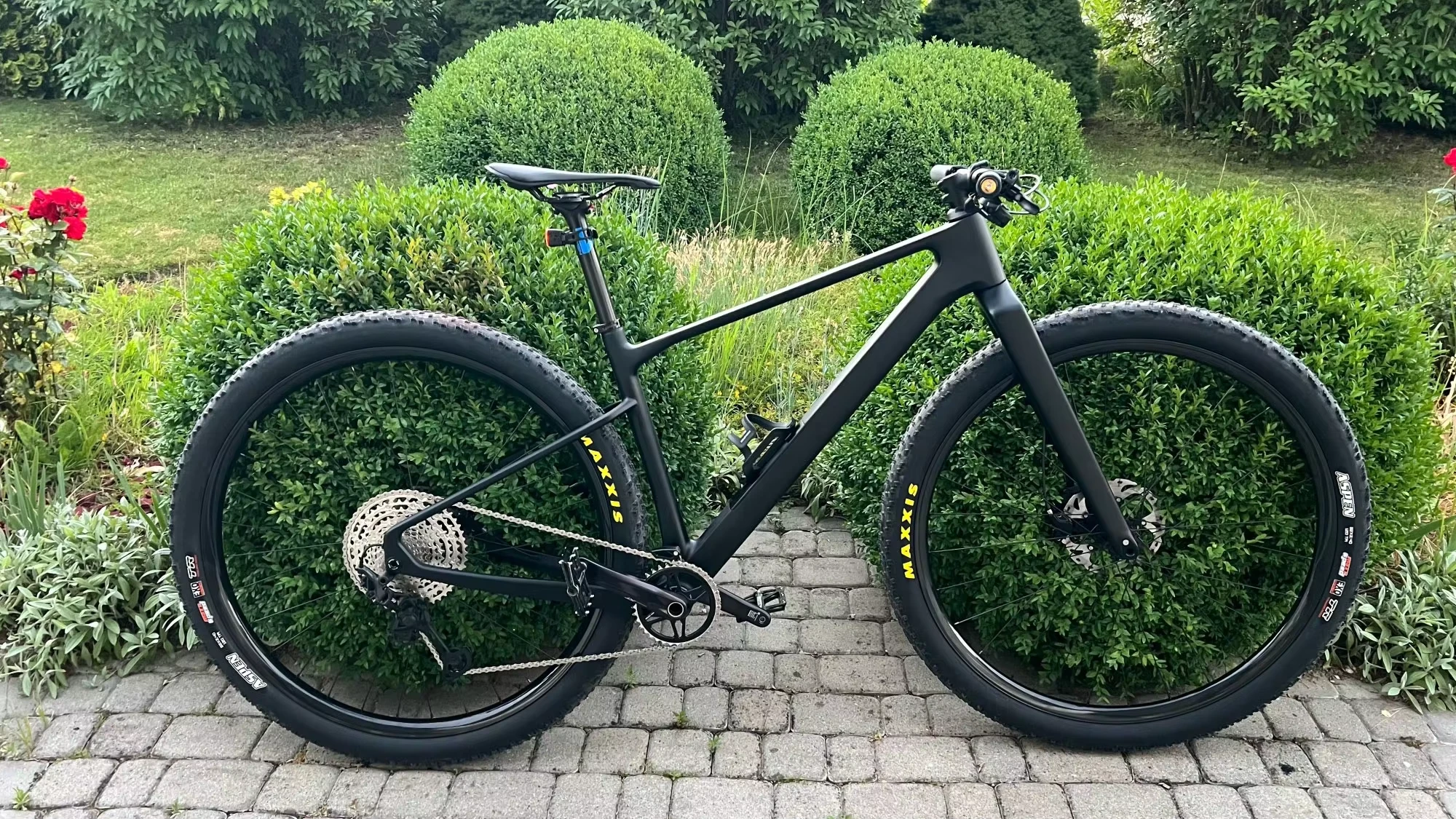
Cycling needs are gradually expanding from single-discipline endurance road cycling to multi-purpose gravel riding, and the design standards for the 2026 carbon gravel frame are rapidly evolving. The new generation of gravel bike frames/gravel bicycle frames needs to balance weight, stiffness, and comfort, while also meeting the diverse demands of long-distance riding, light off-road riding, and bikepacking. Frame geometry, tire clearance, and carbon fiber layup techniques have become core indicators for evaluating performance, as these factors determine the overall stability, handling, and durability of the bicycle.
1.1 | From Endurance Road to Multi-purpose: The Evolution Logic of Gravel Bike Frames
Gravel bicycle frames have evolved from a road endurance bike base to a multi-purpose platform with all-road geometry. By optimizing fork length, wheelbase, and wheelset compatibility, they achieve a balanced riding experience across different terrains.
1.2 | How Changing Riding Scenarios Affect the Design of the 2026 Carbon Gravel Frame
Long-distance riding, light off-road riding, and bikepacking place new demands on the structure, strength, and accessory mounting points of the 2026 carbon gravel frame. Carbon fiber layup and frame geometry must match actual riding needs, ensuring lightweight construction while maintaining comfort and durability.
2 | Key Structural Elements of High-Performance Carbon Gravel Bike Frames
The performance of a high-performance carbon gravel bike frame depends not only on the materials used but also on the frame geometry and tire compatibility. For example, the CR060 gravel frameset achieves a balance between stability, handling, and long-distance comfort through optimized gravel geometry, while maintaining ample tire clearance and wheelset compatibility.
2.1 | Frame Geometry: Balancing Stability, Handling, and Comfort
Frame geometry, including head tube angle, seat tube angle, wheelbase, and fork offset (trail), directly affects the stability at high speeds, off-road handling, and long-distance riding comfort of a carbon gravel bike frame.
2.2 | Tire Clearance and Compatibility: Fundamental Performance Indicators of a Gravel Frameset
Tire clearance and wheel diameter compatibility are key indicators for evaluating a gravel frameset. Modern carbon fiber gravel frames typically support 700c/650b wheelsets and provide sufficient tire clearance to accommodate wide tires or muddy conditions. The CR060 gravel frameset, for instance, is designed with ample tire clearance while maintaining frame rigidity, offering flexible expandability for long-distance riding and bikepacking.
| Gravel Frame Size | Max Tire Clearance | Recommended Wheel Size | Fork Compatibility | Notes / Remarks |
|---|---|---|---|---|
| XS / 48cm | 40mm | 700x40c / 650b 42mm | Standard Gravel Fork | Ideal for endurance gravel |
| S / 51cm | 45mm | 700x45c / 650b 47mm | Standard Gravel Fork | Balanced off-road and speed |
| M / 54cm | 50mm | 700x50c / |
3 | Materials and Manufacturing Process: The Performance Core of Carbon Fiber Gravel Frames
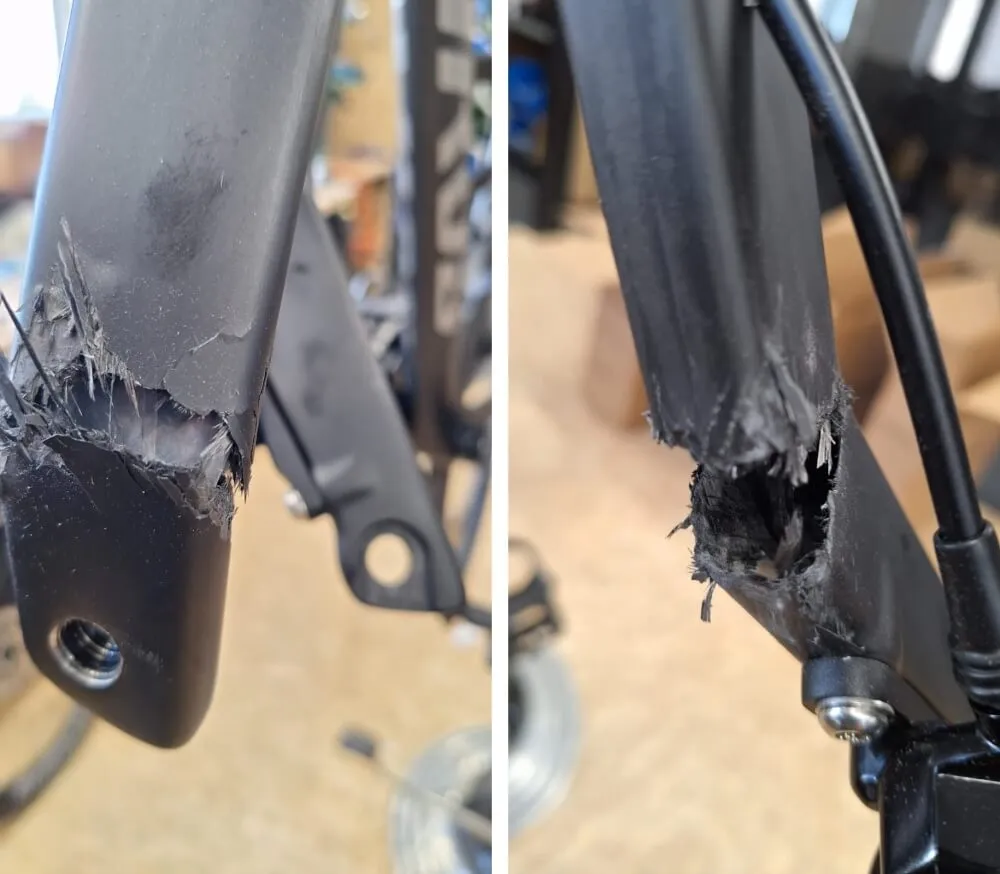
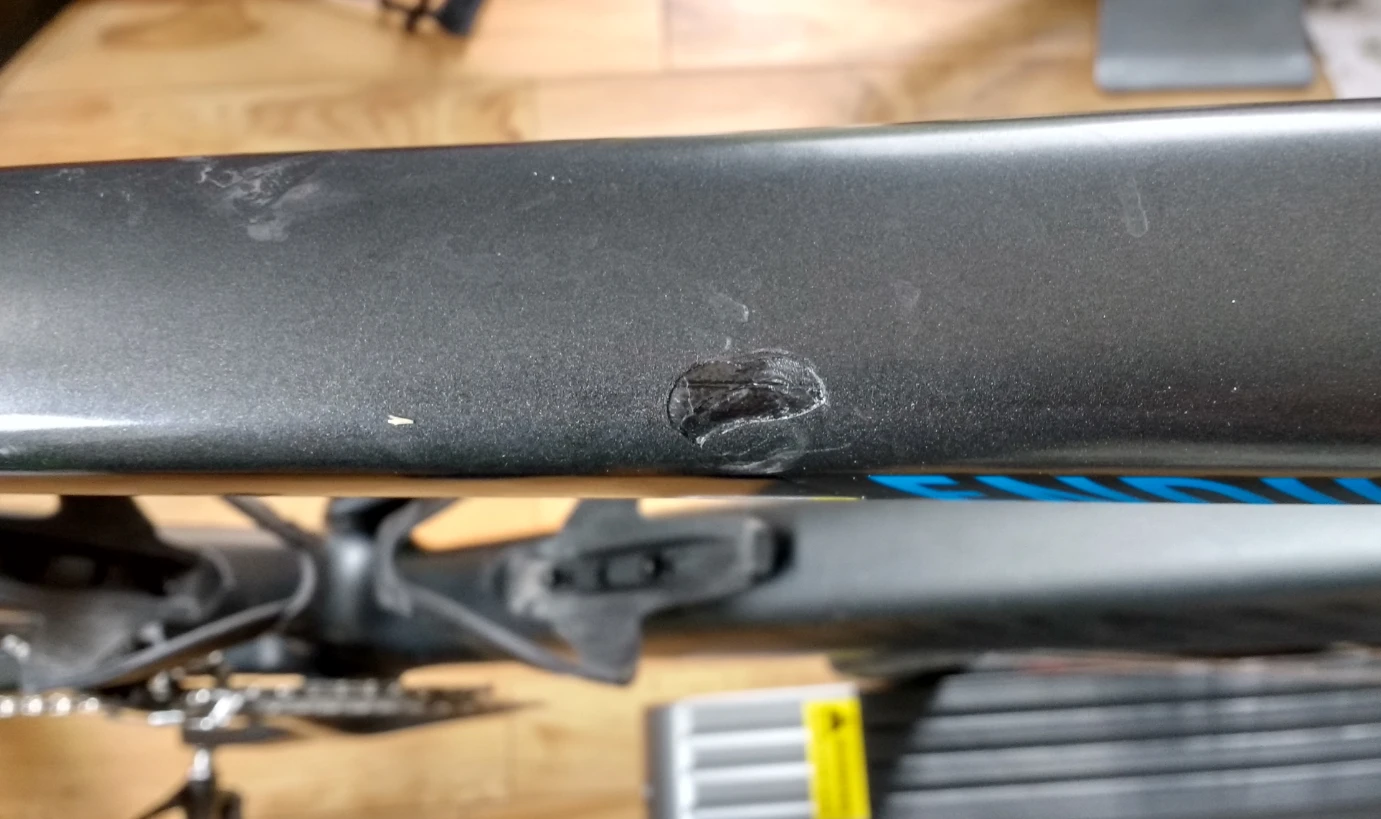
The core competitiveness of high-performance carbon gravel bike frames stems from material selection and manufacturing processes. Carbon fiber grade, layup direction, and stacking method directly affect the frame’s stiffness-to-weight ratio and torsional rigidity, while lightweight design must strike a balance between strength and fatigue resistance. Furthermore, impact strength and fatigue life are key indicators for evaluating whether a carbon fiber gravel frame can withstand long-distance gravel riding and technical descents.
3.1 | The Impact of Carbon Fiber Grade and Layup Design on Frame Stiffness
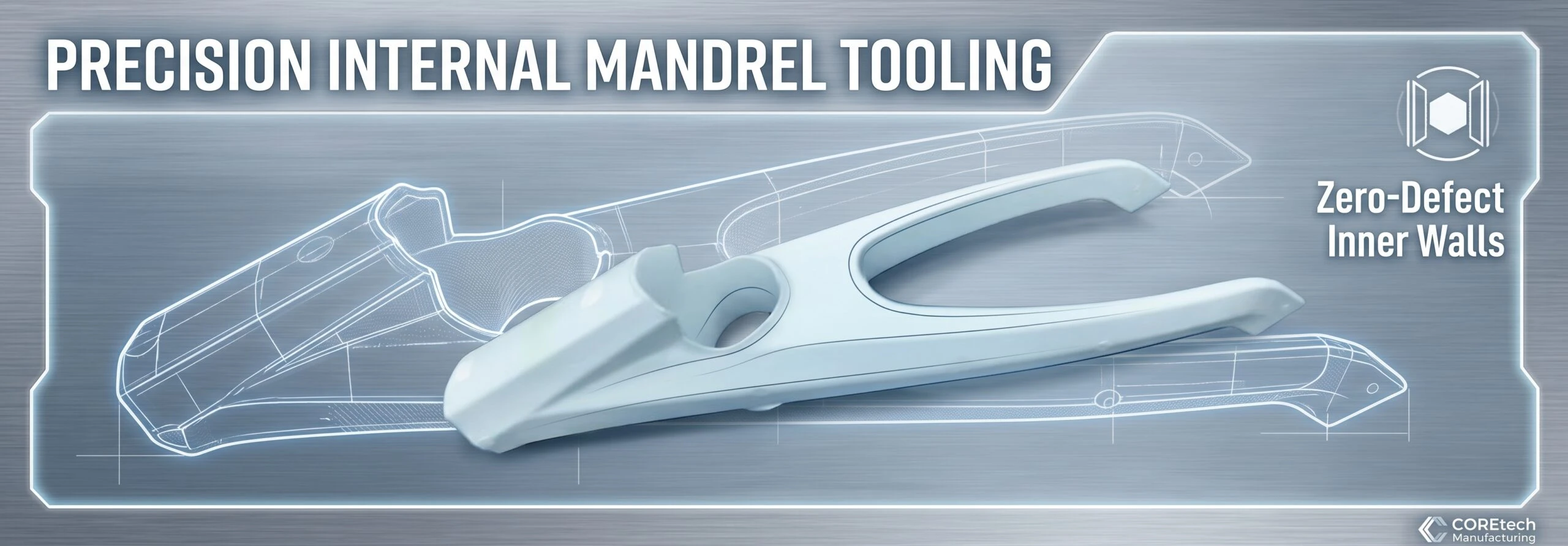
Frame stiffness and handling are highly dependent on carbon fiber layup design and fiber orientation. By precisely calculating the number and angles of fiber layers, carbon gravel bike frames can optimize lateral stiffness and longitudinal comfort while ensuring lightweight construction.
3.2 | Engineering Trade-offs in Weight, Strength, and Fatigue Life
Lightweight design improves riding efficiency but affects impact resistance and fatigue performance. The design team must find the optimal balance between weight, durability, and safety for the 2026 carbon gravel frame to meet the practical needs of long-distance gravel riding and various terrains.
4 | Integrated Design in the 2026 Gravel Bike Frame
Modern 2026 carbon gravel frames are increasingly emphasizing integrated system design, achieving a balance of lightweight construction and multi-functionality through optimized frame geometry and component integration. Our CR060 carbon gravel bike frame features internal cable routing, an integrated front end, and flexible mounting points, which are key indicators of the maturity of gravel bike frame design and provide the CR060 with versatile expansion capabilities.
4.1 | Internal Cable Routing, Integrated Front End, and the Trend Towards Integrated Systems
Through internal cable routing and an integrated cockpit design, the CR060 offers cleaner cable management and more precise front-end handling, while also enhancing overall aesthetics and aerodynamic optimization.
4.2 | Storage and Mounting Points: Designed for Long-Distance Gravel Riding
The CR060 provides optimized frame mounts and bikepacking mounts, allowing for easy installation of water bottle cages, racks, and tool bags. This provides the necessary expansion space for long-distance gravel riding while ensuring that the frame’s structural strength and lightweight advantages remain unaffected.
5 | Key Standards and Compatibility of the 2026 High-Performance Carbon Gravel Frame
The core of a high-performance 2026 carbon gravel frame lies not only in its materials and geometric design, but also in the compatibility and standardization of its key components. The frame must support modern drivetrain systems, wheel specifications, and disc brake standards, while also considering long-term maintenance convenience and durability. Understanding the UDH hanger, 12×142 / 12×100 axle specifications, and the compatibility relationship between flat mount disc brakes and bottom bracket standards is crucial.
5.1 | UDH, 12×142 / 12×100, and Drivetrain Compatibility
Modern gravel frameset designs commonly utilize UDH hangers and standard axle spacing to ensure compatibility with multi-speed drivetrains, while optimizing shifting smoothness and rear wheel stability.
5.2 | Impact of Disc Brakes, Bearings, and BB Standards on Maintainability
Carbon fiber gravel frames must consider long-term maintainability in terms of disc brake mounting, bearing lifespan, and BB standards. A reasonable configuration of flat mount and bottom bracket standards can reduce maintenance difficulty and improve overall durability and riding reliability.
6 | Choosing a Gravel Frameset Based on Different Riding Needs
Gravel riding encompasses diverse uses, from short-distance races to long-distance endurance routes, each with significantly different demands on frame performance. When choosing a gravel bicycle frame, it’s necessary to consider frame stiffness, weight, tire clearance, and long-distance comfort.
6.1 | Competition vs. Long-Distance Endurance Carbon Gravel Bike Frames
Competition-oriented carbon gravel bike frames emphasize lightweight design and quick response, with a geometry geared towards racing, resulting in better acceleration and technical downhill performance. Long-distance endurance frames, on the other hand, prioritize riding comfort and stability, optimizing tire clearance and fork compliance to ensure efficiency and a comfortable experience during long rides.
6.2 | Balancing Lightweight Design and Durability in Gravel Bicycle Frames
In gravel frameset development, lightweight design improves acceleration and handling but may increase the risk of fatigue damage; durability is more suitable for long distances or challenging road conditions. Through reasonable carbon fiber layup design and frame geometry optimization, carbon fiber gravel frames can achieve a balance between weight, stiffness, and long-term durability, meeting diverse riding needs.
7 | How to Determine if a 2026 Carbon Gravel Frame is “High-Performance”?
Evaluating whether a 2026 carbon gravel frame is high-performance requires a comprehensive assessment of riding data, material technology, and long-term durability. Besides weight, stiffness, and geometric design, the actual riding feedback and fatigue life test results of a carbon gravel bike frame are crucial indicators of its suitability for long-distance riding or competition.
7.1 | Test Data, Real-World Riding Feedback, and Long-Term Reliability
Through standardized experimental data, extreme road condition riding tests, and long-term user feedback, the impact resistance, stiffness, and stability of a carbon fiber gravel frame can be comprehensively evaluated, providing a scientific basis for procurement or mass production.
7.2 | Understanding the True Value of a Carbon Fiber Gravel Frame from Engineering Details
In-depth analysis of frame geometry, carbon fiber layup, welding points, and interface design can reveal the true performance potential and long-term reliability of a gravel frameset/carbon gravel bike frame, helping brand clients make precise decisions in product development and market positioning.
8 | Conclusion: Summary of the Core Features of the 2026 High-Performance Carbon Gravel Frame
The high-performance 2026 carbon gravel frame should balance lightweight design, rigidity, comfort, and durability. Optimized geometric design, mature carbon fiber layup technology, and reasonable tire clearance enable the carbon gravel bike frame/gravel frameset to perform exceptionally well in long-distance riding and extreme off-road conditions, while demonstrating engineering precision and market competitiveness, providing a reference for brand and supply chain decisions.