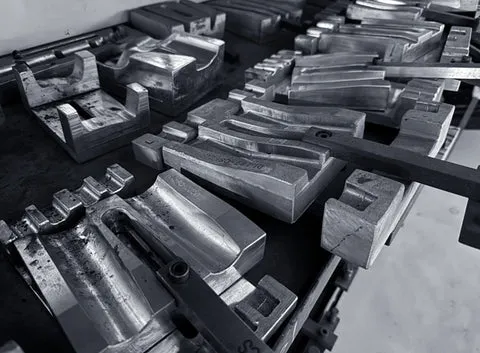
Aero handlebars are a key piece of equipment for improving cycling speed and efficiency, widely used in high-intensity events such as triathlons and time trials. By optimizing aerodynamic design, aero bicycle handlebars significantly reduce wind resistance and improve cycling performance. According to Cycling Weekly, using high-quality aero handlebars can reduce wind resistance by approximately 10%, helping athletes save valuable time in races. Types of aero handlebars include clip-on aero bars and integrated aero bars, each design offering optimal comfort and performance for cyclists with different needs. For B2B clients, understanding the characteristics of each type of aero handlebar and providing suitable products based on customer needs is crucial for enhancing market competitiveness. With the application of carbon fiber materials and the development of 3D printing technology, aero handlebars will see more innovations in the future, further boosting aerodynamic performance.
Basic Concepts of Aero Handlebars
Aero handlebars are a core piece of equipment for improving cycling performance, especially in time trials and triathlon races. Designed specifically to reduce wind resistance, aero handlebars effectively increase cycling speed and reduce the athlete’s energy expenditure. For B2B clients, understanding the basic concepts and working principles of aero handlebars is crucial, as it helps in providing end customers with higher-performing products that meet their needs.
1.1: What are Aero Handlebars?
Aero bike handlebars are specially designed bicycle handlebars aimed at reducing wind resistance and improving cycling efficiency. Through optimized aerodynamic design, aero handlebars effectively reduce drag, helping cyclists increase speed during races. Aero handlebars are crucial for high-efficiency events such as triathlons and time trials, providing improved aerodynamic performance through enhanced riding posture and control.
1.2: How Aero Handlebars Work
Aero handlebars reduce wind resistance by optimizing airflow and minimizing friction with the handlebar surface, thereby increasing cycling speed. Their curved design and adjustable position help lower the cyclist’s drag coefficient, resulting in better performance at high speeds. Especially in long-distance time trials and triathlon races, aero handlebars effectively reduce the cyclist’s physical burden while providing better comfort and stability.

Classification and Selection of Aerodynamic Handlebars
Choosing the right aerodynamic handlebars is crucial for improving performance in competitions. Aerodynamic handlebars come in several types, each with unique advantages, depending on the specific event requirements.
2.1: Common Types of Aerodynamic Handlebars
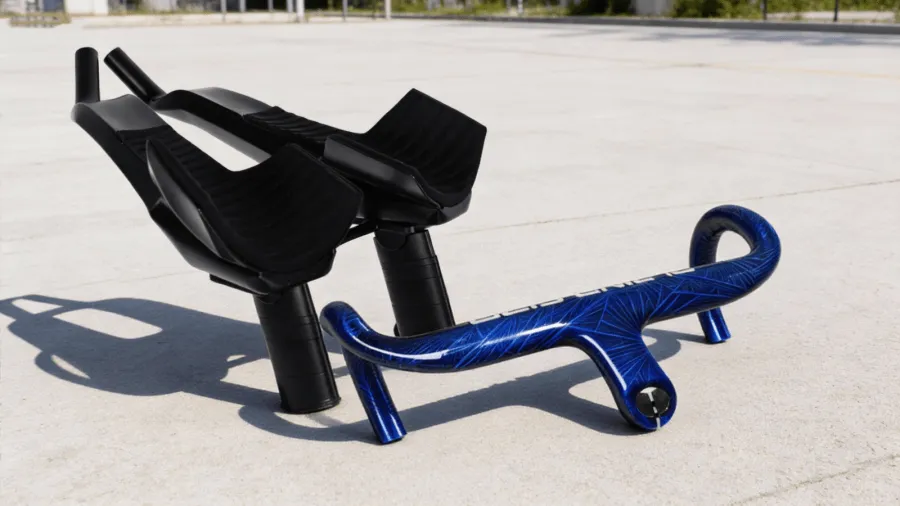
Full Aero Bars: Suitable for high-performance competitions, especially time trials and triathlons, full aero bars help riders minimize wind resistance and increase speed.
Clip-on Aero Bars: Ideal for both road and triathlon bikes, these handlebars convert traditional bars into aerodynamic ones, enhancing performance. Triathlon handlebars, like clip-ons, help athletes achieve a more aggressive riding position, improving speed and reducing wind resistance, key for time trials and endurance races.
Integrated Aero Bars: More suitable for professional triathletes and time trialists, the integrated design optimizes overall aerodynamics, providing ultimate comfort and control.
2.2: How to Choose the Right Aerodynamic Handlebars
Choosing the right aerodynamic handlebars requires considering competition needs, riding posture, and comfort. For example, triathletes often choose clip-on aero bars to improve riding efficiency and comfort, while professional riders tend to prefer integrated aero bars for better handling and aerodynamic performance. When choosing handlebars, it’s also important to consider the reach and width to ensure the best riding posture and effectively improve overall performance.
How Aero Handlebars Improve Cycling Performance
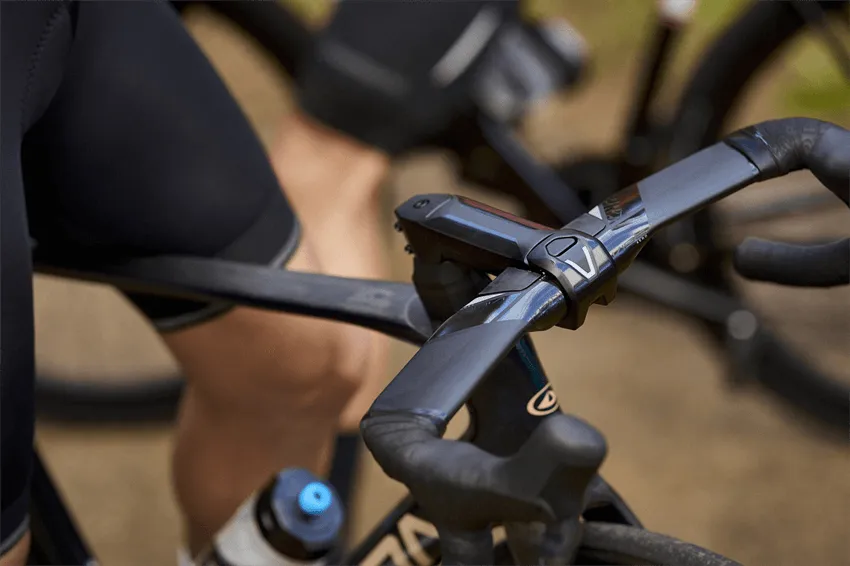
Aero handlebars not only increase cycling speed but also improve comfort and stability. By optimizing airflow, aero handlebars reduce wind resistance and improve cycling efficiency. For B2B clients, choosing the right aero handlebars can meet customer needs for comfort and stability, ensuring athletes maintain optimal performance during long rides.
3.1: Reducing Wind Resistance, Increasing Speed
Aero handlebars effectively reduce wind resistance and increase speed by optimizing airflow. Aerodynamic efficiency directly impacts race results; every detail that reduces wind resistance saves time, which is especially crucial for time trials and triathlons. Carbon fiber aero handlebars offer excellent aerodynamic performance, helping cyclists improve their race performance.
3.2: Improving Comfort and Stability
Aero handlebars improve comfort by optimizing riding posture, reducing fatigue, especially during long rides. High-quality handlebar designs reduce pressure on the wrists, shoulders, and back, improving stability. Choosing the right aero handlebars, especially integrated aero bars, can provide better stability and comfort tailored to the cyclist’s needs.
How to Choose the Right Aerodynamic Handlebars for Competition
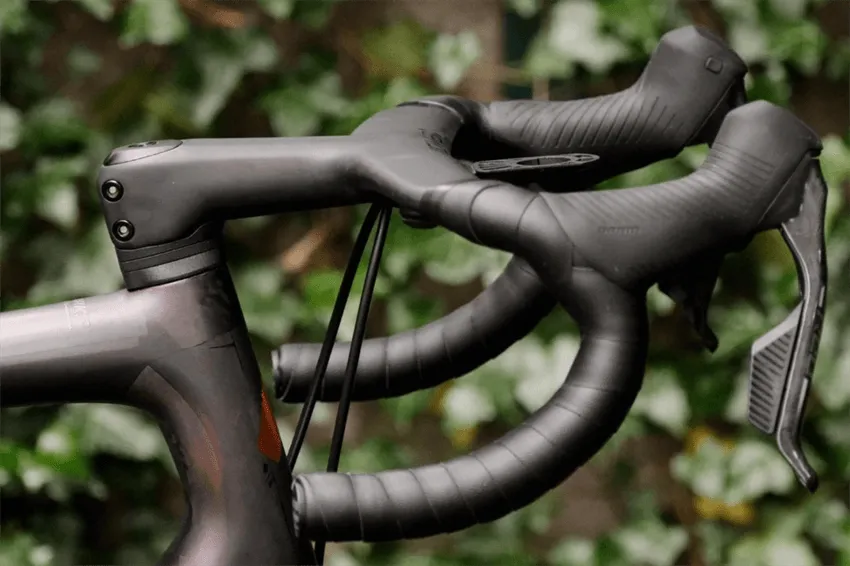
Choosing the right aerodynamic handlebars is crucial for ensuring comfort and performance in competition. The width, reach, and rise of the handlebars directly affect riding posture and stability. The right size and adjustment features help athletes maintain optimal performance during races.
4.1: Aerodynamic Handlebar Size and Adjustability
Choosing the right handlebar size improves comfort and optimizes riding performance. Handlebars that are too wide can affect handling, while those that are too narrow can affect stability. The correct size ensures the rider maintains the best posture, reducing fatigue, which is especially important for triathletes and time trial cyclists.
| Handlebar Size/Adjustment | Narrow | Standard | Wide |
|---|---|---|---|
| Handlebar Width | 36-38 cm | 40-42 cm | 44-46 cm |
| Reach | Short | Medium | Long |
| Rise | Low | Medium | High |
| Ideal for Riders | Shorter torso, more aggressive posture | Most road cyclists, standard comfort | Taller riders, more upright posture |
| Effect on Comfort | Less comfortable for longer rides | Balanced comfort and performance | More comfortable, less aggressive position |
| Effect on Aerodynamics | More aerodynamic, but less stable | Balanced aerodynamics and stability | Less aerodynamic, more stable |
4.2: Aerodynamic Handlebar Material Selection: Carbon Fiber vs. Aluminum Alloy
Carbon fiber aerodynamic handlebars offer significant advantages over aluminum alloy handlebars in terms of weight, strength, and durability. Carbon fiber is not only lightweight but also effectively absorbs shock, improving comfort during long rides, while aluminum alloy is less expensive but inferior to carbon fiber in terms of comfort and performance.
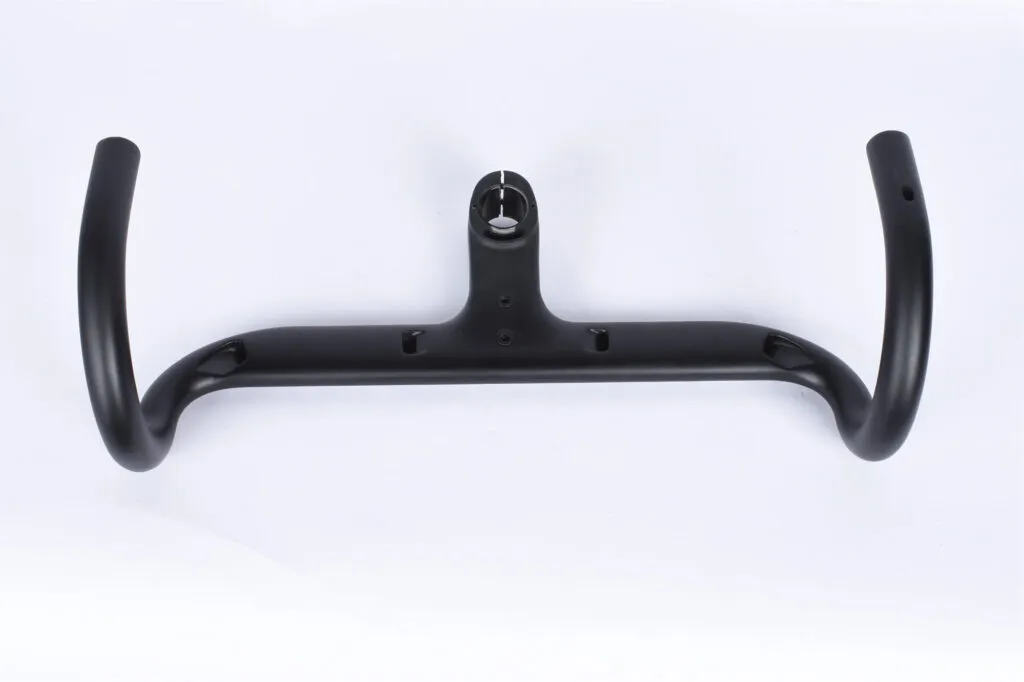
Future Development Trends of Aerodynamic Handlebars
The design and materials of aerodynamic handlebars are constantly innovating, with future developments focusing on balancing aerodynamics and comfort to meet the demands of high-standard competitions.
Future aerodynamic handlebars will utilize carbon fiber and 3D printing technology to provide more precise designs, optimizing airflow and reducing wind resistance. With advancements in aerodynamics and comfort, aerodynamic handlebars will further enhance cycling performance.
For more information about aerodynamic handlebars or product selection, please visit the Haidelibikes. Or contact us, and we will provide you with professional advice and high-quality products.