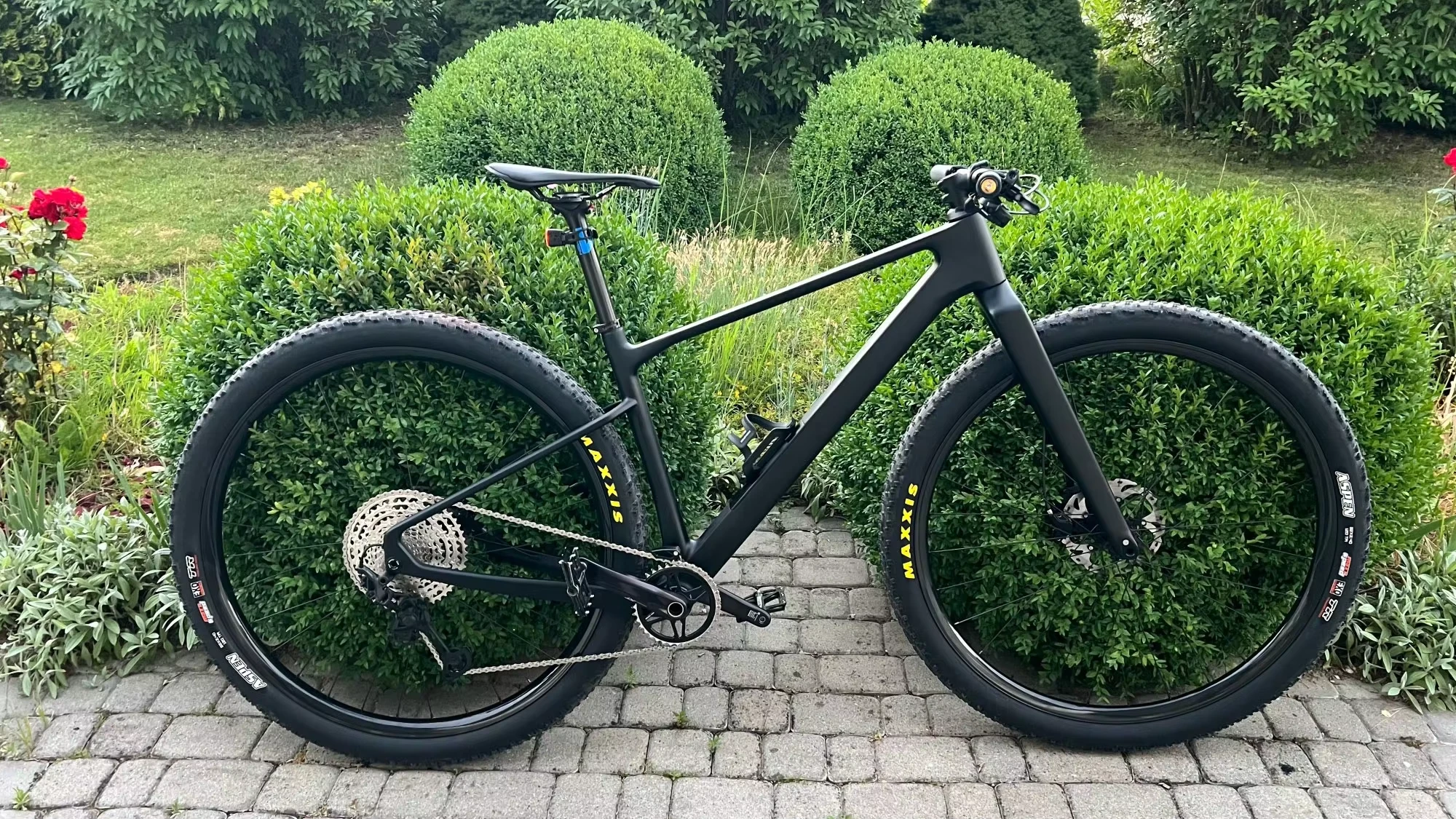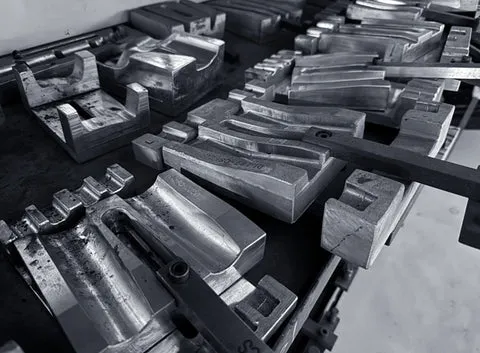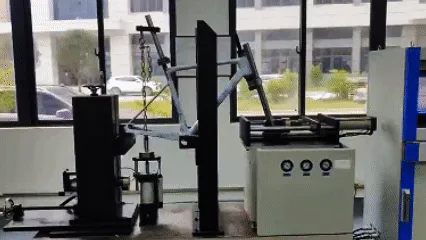
With the increasing application of carbon fiber materials in the bicycle industry, many cyclists and suppliers are paying more attention to the quality of carbon fiber frames. Low-quality carbon bicycle frames not only affect the riding experience but can also pose safety risks. Choosing frames that have passed Bicycle Frame Test Quality testing can help avoid common problems such as insufficient strength and excessive weight. Market data shows that carbon fiber frames have significant advantages in the endurance and racing segments, providing better comfort and stability.
As a supplier, choosing high-quality carbon fiber materials, precise lamination processes, and standard production procedures is crucial. For long-term B2B clients, selecting certified suppliers is key to ensuring product safety and performance.
Common Problems with Low-Quality Carbon Fiber Bicycle Frames
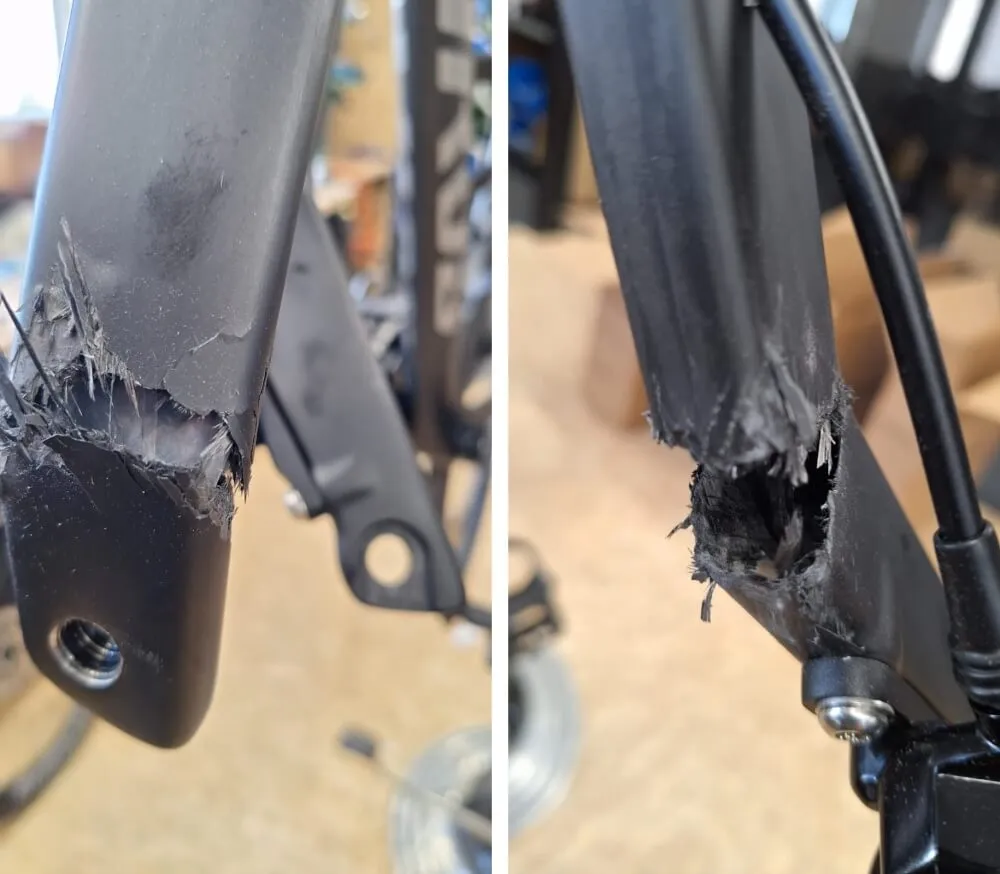
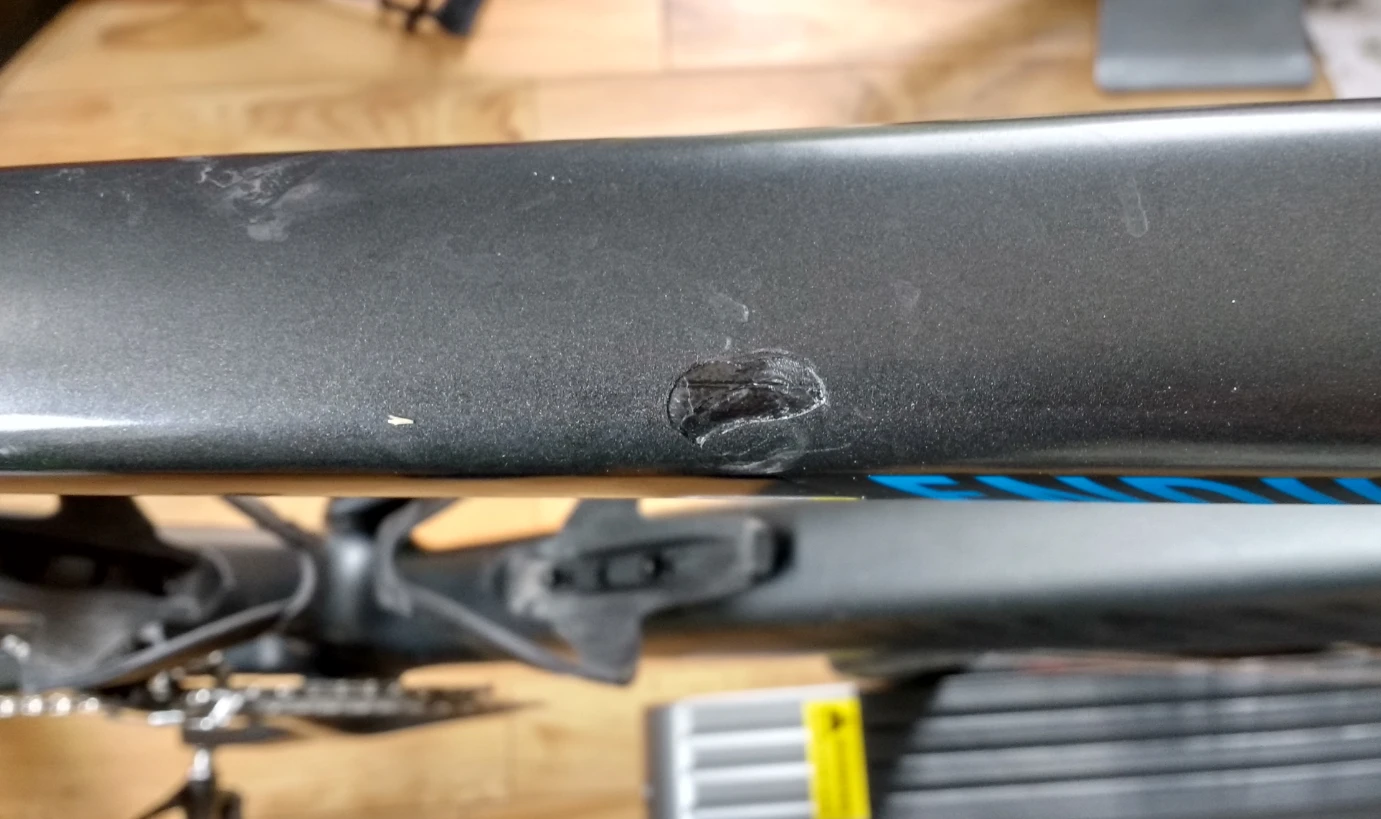
Low-quality carbon bicycle frames can severely impact the rider’s experience, especially during high-intensity riding or under extreme conditions. For B2B clients and brand suppliers, choosing high-quality frames is crucial to avoid damage to brand reputation due to quality issues. The following are common problems with low-quality carbon fiber frames; understanding these issues will help suppliers make informed decisions when purchasing.
| Issue | Impact | Potential Consequences |
|---|---|---|
| Insufficient Strength | Low-quality frames lack durability, leading to cracks or deformation. | Increased risk of breakage, safety hazards. |
| Excessive Weight | Heavier frames reduce riding efficiency and performance. | Slower speeds, increased rider fatigue, and reduced agility. |
| Poor Durability | Poor resistance to environmental factors like corrosion and weather. | Frame degradation, loss of integrity, and higher maintenance. |
1.1 Insufficient Strength, Prone to Breakage or Deformation
Low-quality carbon bike frames fail to meet the demands of prolonged high-intensity riding in terms of strength and durability, often resulting in breakage or deformation, increasing repair and replacement costs. Strength testing is a critical step in determining frame quality; frames lacking this testing often face a higher risk of damage.
1.2 Excessive Weight, Affecting Riding Efficiency
One of the main advantages of carbon fiber frames is their lightweight nature. Low-quality carbon bicycle frames, due to material selection and manufacturing process issues, often fail to meet lightweight standards, affecting overall performance and riding efficiency. Lightweight frames not only improve speed but also reduce rider fatigue, thus optimizing performance.
1.3 Poor Durability, Susceptible to Environmental Factors
The carbon fiber material in low-quality frames lacks sufficient protective measures, making it susceptible to corrosion and weathering. Especially in harsh weather and humid environments, frames with poor durability will rapidly deteriorate, affecting riding stability and safety. Rigorous bicycle frame quality testing can effectively screen out these potential problems, ensuring the reliability of the frame in various environments.
How to Avoid Problems with Low-Quality Carbon Fiber Frames?
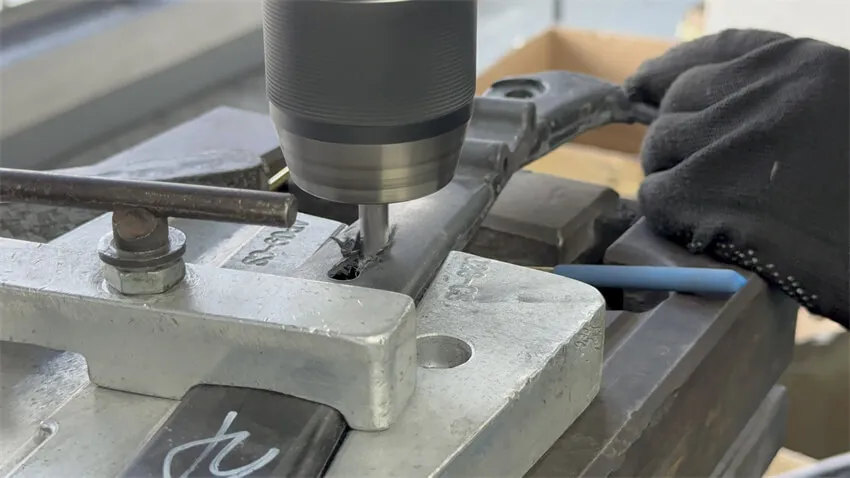
To ensure the quality of carbon fiber frames, B2B clients and suppliers need to implement quality control measures from multiple perspectives. High-quality carbon bicycle frames not only improve the riding experience but also enhance the brand’s market competitiveness. The following are key measures to avoid problems with low-quality carbon fiber frames, helping suppliers make more secure purchasing decisions.
2.1 Choose Reputable Brands and Certified Products
Choosing a carbon bike frame manufacturer with a good brand reputation is the first step in ensuring frame quality. Well-known brands in the market usually have stricter production and certification standards, which not only helps guarantee the frame’s performance but also reduces long-term maintenance costs.
2.2 Conduct Rigorous Quality Testing
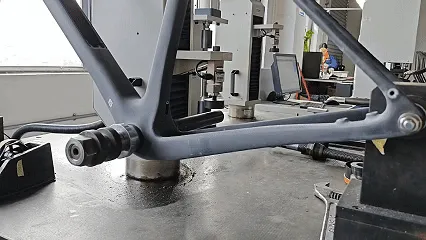
When purchasing, it is crucial to require suppliers to provide carbon fiber frames that have undergone rigorous bicycle frame quality testing. Through strength and durability testing, you can ensure the frame’s stability and safety during actual riding, reducing after-sales risks caused by quality problems.
2.3 Focus on Carbon Fiber Materials and Manufacturing Processes
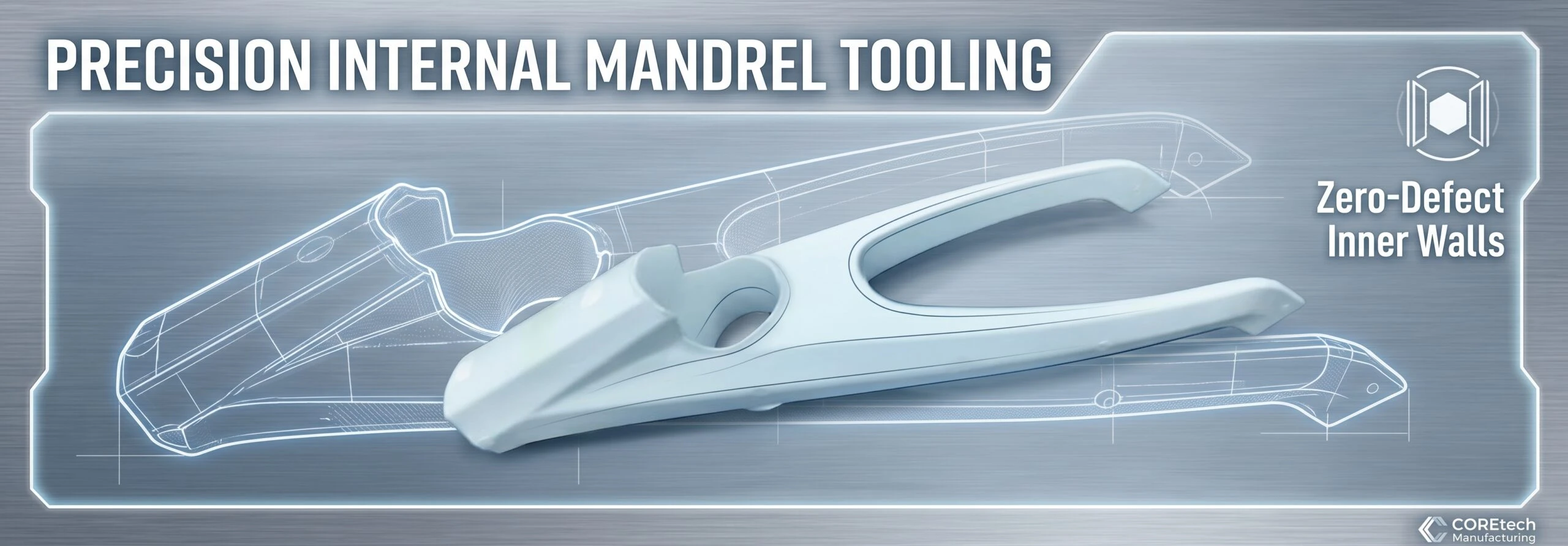
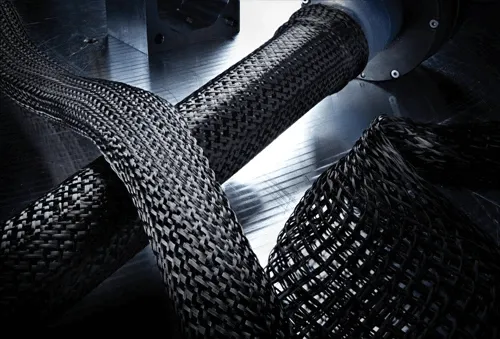
Another key to choosing a high-quality carbon bicycle frame is paying attention to the high-strength carbon fiber materials and lamination process used in the frame. High-quality carbon fiber frames utilize advanced lamination technology to ensure the frame is lightweight yet strong enough to withstand long-term, high-intensity riding demands.
Conclusion
Choosing a high-quality carbon bike frame is crucial for ensuring cycling safety and performance. Suppliers and brand customers should focus on the frame’s materials, manufacturing process, and testing standards to avoid safety hazards and performance degradation caused by low-quality frames. Through strict quality control and durability testing, product competitiveness can be effectively enhanced, meeting the market demand for high-performance, long-lasting carbon fiber frames.
If you have any questions or needs, please feel to contact haidelibikes. We will provide you with professional advice and solutions.