With the growing consumer demand for high-performance bicycles, frame quality standards have become a crucial factor in evaluating a bicycle’s value. For B2B clients and suppliers, understanding and adhering to industry-recognized bicycle frame quality standards, especially for carbon fiber frames, is essential. High-quality frames not only impact riding safety but also directly determine riding performance and durability.
Carbon fiber frames, due to their lightweight and high-strength characteristics, are widely used in professional racing and long-distance cycling. Suppliers should focus on international quality certification standards such as ISO 4210 and EN 14781, which ensure that frames meet standards for strength, durability, and impact resistance. Simultaneously, frame geometry design and material layering significantly improve stability and handling.
According to data from 《Bicycle Retailer & Industry News》, the carbon fiber frame market grew by 12% in 2024, and the application of environmentally friendly and sustainable materials has become a trend for the industry’s future development.
What are Bicycle Frame Quality Standards?
Bicycle frame quality standards are specifications used to evaluate whether a frame meets key performance requirements such as safety, durability, and comfort. Understanding these standards is crucial for B2B customers and suppliers, as it impacts product competitiveness and brand reputation. High-quality frames not only enhance the riding experience but also reduce maintenance and return issues. Therefore, ensuring that frames meet international standards, utilize high-performance materials, and undergo rigorous testing is a fundamental requirement for every bicycle manufacturer and supplier.
1.1: Frame Definition and Function
The bicycle frame is the core component that supports the entire structure of the bicycle, bearing the responsibility of transmitting force and ensuring stable riding. The design and material of the frame directly determine the comfort, handling, and safety of the ride. Whether it’s a lightweight carbon fiber frame or a durable aluminum alloy frame, they must meet international quality certification standards such as ISO 4210 to guarantee performance under various road conditions.
1.2: The Importance of Quality Standards
Adhering to quality standards not only ensures high frame performance but also directly impacts consumer trust and brand image. Standards like EN 14781 ensure that frames meet basic requirements such as impact resistance and durability. For B2B suppliers, complying with these quality standards not only helps meet market demands but also effectively reduces after-sales risks and improves customer satisfaction.
Main Quality Standards for Bicycle Frames
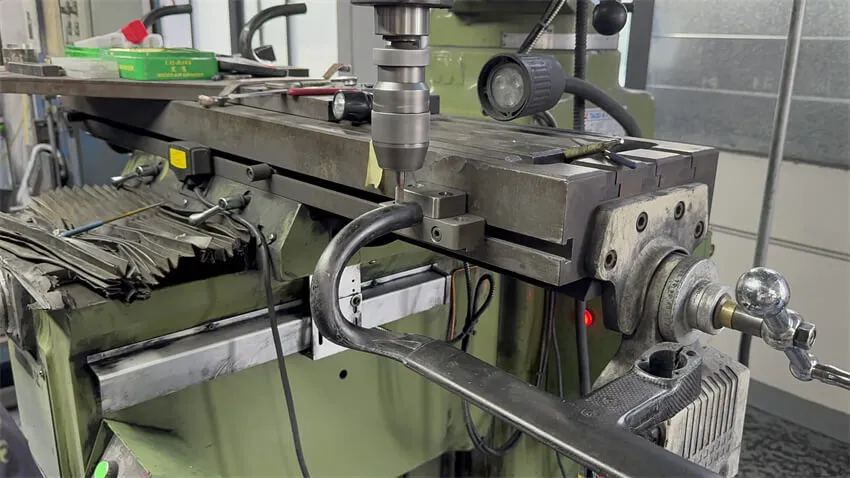
The quality of bicycle frames directly impacts product safety and durability, especially with the increasing popularity of carbon fiber frames. For B2B clients and suppliers, it is crucial to understand the factory’s internal testing standards, which cover rigorous requirements for strength, compression resistance, and impact resistance. Furthermore, adhering to international certification standards (such as ISO 4210 and EN 14781) and the specific quality requirements for carbon fiber frames ensures that products not only meet market demands but also stand out in a competitive market. Frames that meet these standards offer higher strength, durability, and safety, further enhancing brand competitiveness.
2.1: International Certification Standards (ISO, EN, etc.)
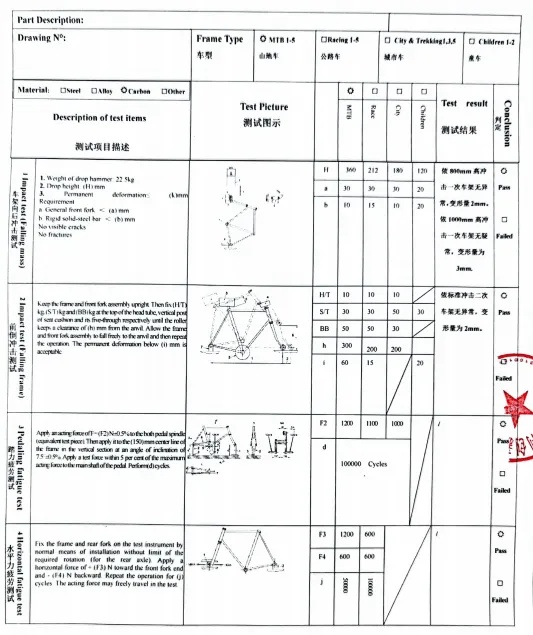
ISO 4210 and EN 14781 are two major quality standards for bicycle frames, applicable to different types of bicycles and covering important aspects such as frame strength, impact resistance, durability, and material quality.
ISO 4210: This is a quality standard established by the International Organization for Standardization (ISO) for city/commuter bicycles. It covers various basic requirements for the frame, including impact resistance, pressure resistance, frame stability, and material durability. It has strict regulations, particularly for carbon fiber and aluminum alloy materials, requiring the frame to withstand pressure and impact in different riding environments, preventing structural damage due to quality issues. ISO 4210 also requires the frame to withstand a weight load of at least 150 kg, ensuring rider safety.
EN 14781: This is a standard established by the European Union for road bicycles, primarily focusing on frame strength, durability, and impact testing. EN 14781 requires the frame to withstand sudden impacts encountered during high-speed riding, such as the impact force when a rider jumps off a step or obstacle. For carbon fiber frames, this means ensuring that the material does not crack or break when subjected to high loads or strong impacts, and maintains its shape and strength over long-term use. The EN 14781 standard also specifies the quality of welds or connections in the frame, ensuring no cracks or structural weaknesses.
How to Evaluate the Quality of a Bicycle Frame?
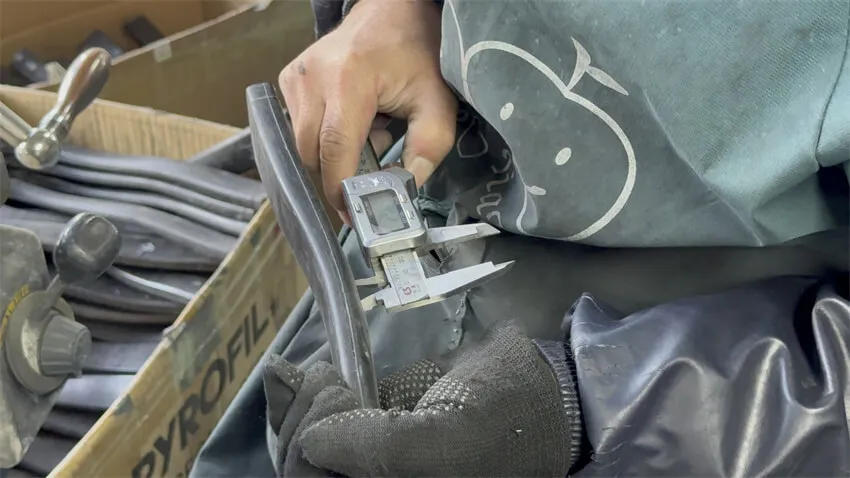
When choosing a bicycle frame, quality is paramount. As a B2B supplier, ensuring that frames meet international standards and market demands is crucial. High-quality frames not only affect riding performance but also directly relate to safety. When evaluating frames, strict control should be exercised in areas such as material selection, structural design, and strength testing.
3.1: Frame Material and Structural Analysis
Carbon fiber frames, due to their lightweight and high-strength characteristics, are the preferred choice for the high-end market. High-quality carbon fiber frames are typically manufactured by hot-pressing multiple layers of fabrics with different moduli, ensuring high strength and durability. Aluminum alloy frames are suitable for the entry-level market, being less expensive but heavier. Frame geometry design is crucial; road bikes prioritize lightweight design and speed, while mountain bikes focus on strength and stability.
When selecting materials, corrosion resistance and impact resistance should be considered, ensuring that the frame meets international certifications such as ISO 4210 and EN 14781. These standards guarantee the strength and stability of the frame. The quality of the welding and connection points of the frame directly affects overall safety.
3.2: How Carbon Fiber Bike Frame Testing Ensures Quality
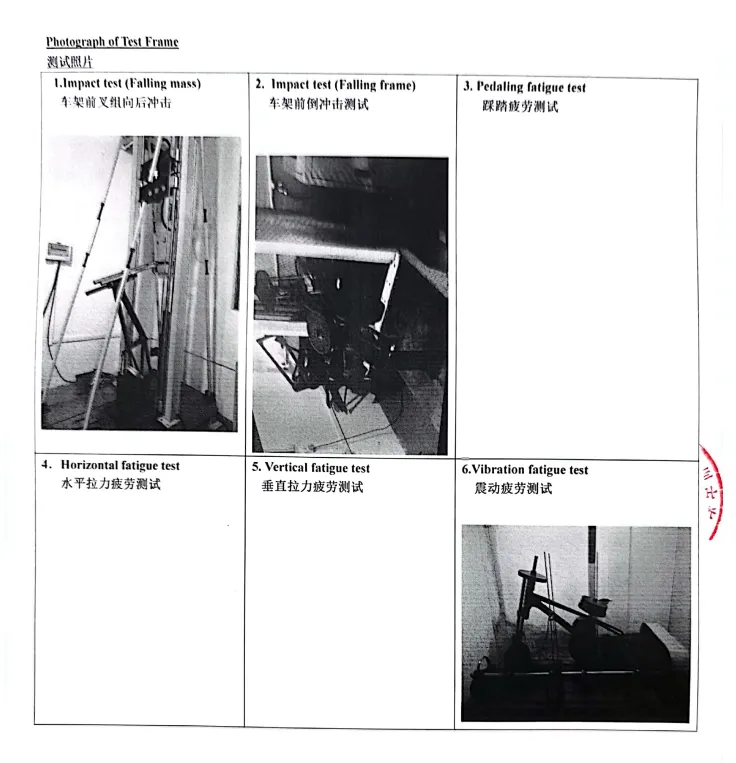
The quality testing of carbon fiber frames involves standard tests such as compression, bending, and impact resistance, ensuring the stability and durability of the frame during actual riding. For more detailed information on how to test carbon fiber frames, please see our other article “How Carbon Fiber Bike Frame Testing Ensures Quality“.
Common Quality Issues and Solutions
During the production and transportation of bicycle frames, common quality issues can affect riding safety and the long-term use of the product. For B2B customers and suppliers, identifying and effectively avoiding these problems in advance helps reduce after-sales costs and improve customer satisfaction, especially in the production of carbon fiber frames, where even minor defects can lead to performance degradation.
4.1: Common Frame Problems
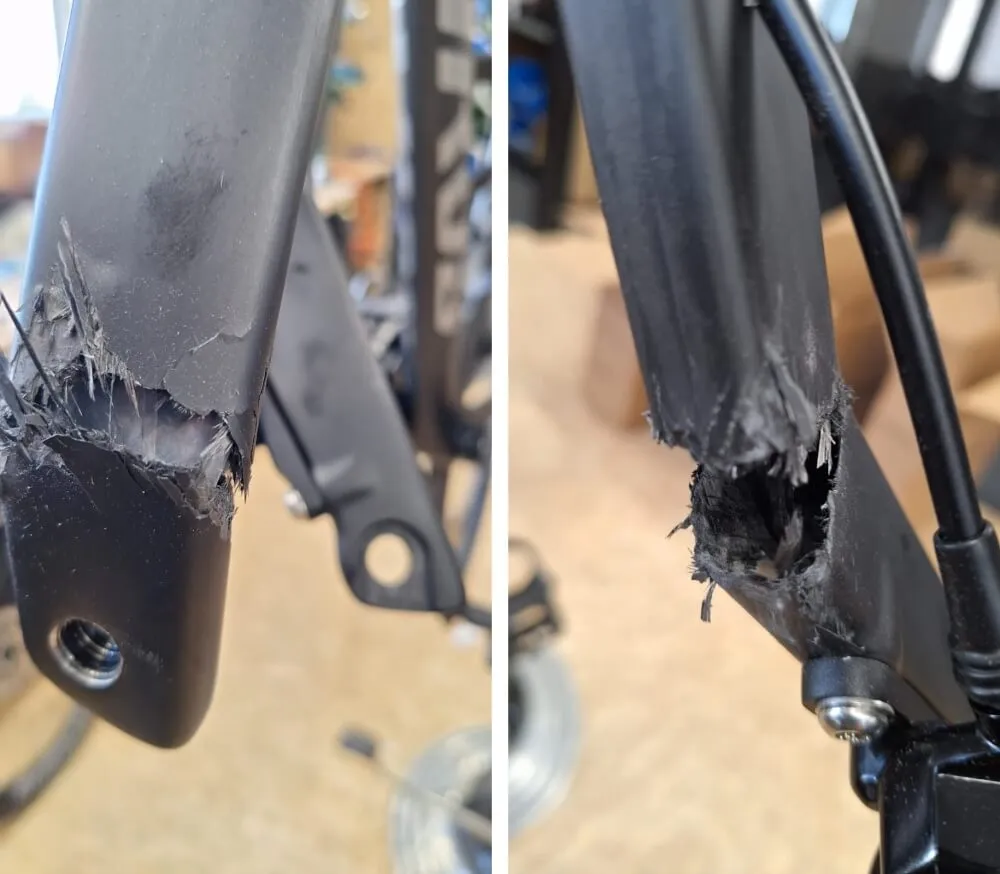
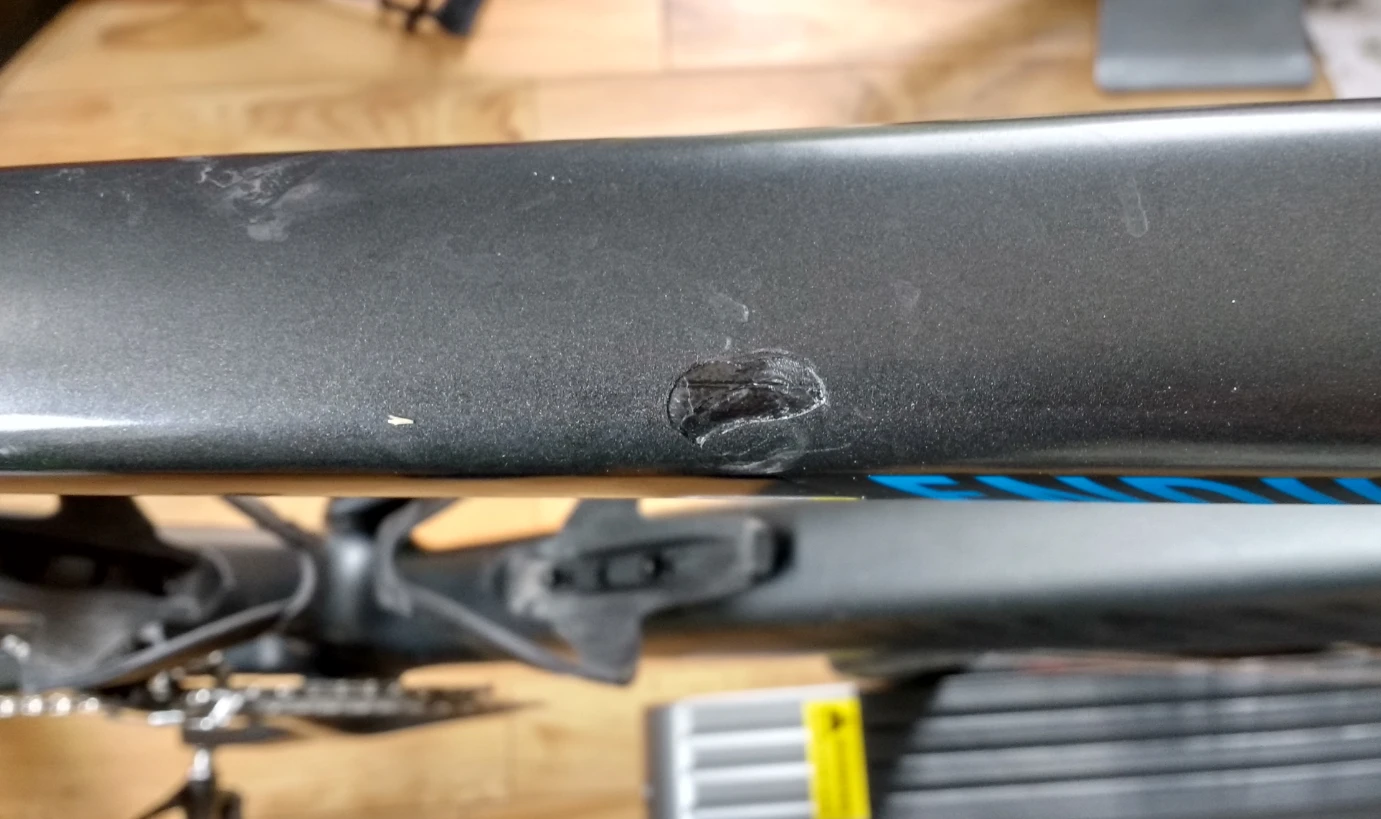
Common problems include welding defects, surface scratches, bubbles, cracks, and delamination of carbon fiber layers. According to market research, approximately 15% of carbon fiber frames experience surface irregularities or bubbles during production, affecting strength and aesthetics. Improper welding and stress concentration at joints are also common problems in aluminum alloy frames, potentially leading to reduced handling performance.
4.2: How to Detect and Avoid Quality Problems
To avoid quality problems, suppliers should strictly follow international standards such as ISO 4210 and EN 14781, conducting regular strength and durability tests. Carbon fiber frames, in particular, require inspection for cracks, bubbles, and delamination. Market data shows that damage during packaging and transportation accounts for 20% of frame quality problems; therefore, appropriate protective measures and inspection procedures are crucial.
The Impact of Bicycle Frame Quality on Cycling Safety
A high-quality bicycle frame is central to cycling safety. Whether for road racing, mountain biking, or commuting, a frame with sufficient strength and precise geometric design significantly improves stability and reduces the risk of accidents. Carbon fiber frames, in particular, with their lightweight and high-strength properties, can withstand extreme riding conditions and ensure safety. As a supplier, providing frames that meet international standards such as ISO 4210 and EN 14781 not only ensures safety but also enhances market competitiveness.
5.1: High-Quality Frames Guarantee Cycling Safety
High-quality frames absorb vibrations and resist impact forces, reducing riding stress, which is especially important during long rides and high-intensity competitions. Carbon fiber frames, while lightweight, provide sufficient compressive and bending strength, ensuring structural integrity. Suppliers must ensure that frames undergo rigorous quality testing and meet basic performance requirements such as impact resistance and bending strength to guarantee cycling safety.
5.2: Frame Maintenance and Inspection Recommendations
Regular maintenance and inspection are crucial. For carbon fiber frames, it is recommended to inspect them every six months, focusing on checking for scratches, cracks, or delamination. Good maintenance extends the frame’s lifespan and prevents potential malfunctions. Regularly clean the frame, avoid storing it in extreme weather conditions, and maintain the frame in optimal condition.
Future Trends in Bicycle Frame Quality Standards
With technological advancements, future bicycle frame quality standards will place greater emphasis on material innovation and environmentally sustainable development, which are also key concerns for B2B wholesalers and brand clients.
6.1: Application of New Materials and Technologies
Ultra-high modulus carbon fiber and ceramic-reinforced composite materials are gradually replacing traditional carbon fiber, offering higher strength and lighter weight. 3D printing and intelligent manufacturing will enable more precise frame designs, meeting customized needs and improving overall riding performance.
| Material/Technology | Advantages | Application in Bicycle Frames | Key Performance Metrics |
|---|---|---|---|
| High Modulus Carbon Fiber | Light weight, high strength, excellent stiffness | Used in high-performance road and mountain bike frames | Weight reduction, superior stiffness |
| Ceramic-Enhanced Composites | Enhanced durability, improved impact resistance | Used in premium road bike frames, endurance models | Impact resistance, durability |
| 3D Printing | Customization, reduced material waste | Prototyping, customized frame designs | Design precision, weight optimization |
| Smart Manufacturing | Precision engineering, automated production | Large-scale manufacturing, high precision components | Consistency, scalability |
6.2: Environmental Protection and Sustainable Development
With stricter environmental regulations, recyclable carbon fiber and environmentally friendly resins will become mainstream, and many brands have already begun to adopt these new materials. Furthermore, waste recycling and energy saving in frame production will also be key considerations.
To learn more about carbon fiber frame quality standards, please contact us. We will provide you with detailed technical support.