According to a global bicycle market report published by Statista, carbon fiber bikes accounted for over 62% of high-end bicycle sales in 2024–2025, with this figure approaching 70% in the North American market. Meanwhile, annual test data from BikeRadar and CyclingTips shows that mainstream carbon fiber frames have significantly surpassed aluminum alloy frames in terms of fatigue life, impact strength, and overall stiffness efficiency.
However, beyond the data, riders’ real concerns still center on a few key points: Is carbon fiber durable enough? Will long-term riding cause hidden damage? How much difference is there in actual riding feel and reliability between carbon fiber bikes at different price points? In numerous forums and reviews, “lightweight yet robust, stiff yet comfortable, and reasonably priced” has become a generally accepted industry standard. This article will combine engineering test logic with real-world riding needs to analyze carbon fiber bikes worth considering in 2025, helping you make a more informed choice regarding performance, durability, and value for money.

Why Will Carbon Fiber Bikes Become the Mainstream Choice in 2025?
For many cyclists, choosing carbon fiber bikes is no longer about whether to “go straight for the top-of-the-line,” but rather how to find the best balance between price, performance, and reliability. Whether for daily training, weekend long-distance rides, or advanced users with competitive needs, lightweight design, high efficiency, and durability have become common concerns. With the maturation of carbon fiber manufacturing processes, especially the large-scale application of high-quality Chinese carbon fiber bicycles, the entry barrier for high-performance carbon frames is significantly decreasing, making excellent riding feel no longer exclusive to high-priced products.
1: Who Actually Needs Carbon Fiber Bikes?
In 2025, the group of people choosing carbon fiber bikes is no longer limited to professional riders or enthusiasts. For road cyclists who want to improve pedaling efficiency and reduce overall bike weight, carbon fiber frames can significantly reduce physical exertion during long-distance rides; for MTB and gravel riders, the adjustability of carbon fiber in structural design helps to balance stability and handling on complex terrain. More and more users are discovering that as riding frequency and mileage increase, carbon fiber is not a “luxury upgrade,” but a more reasonable long-term choice.
2: Rider-Focused Advantages of Carbon Fiber Bike Frames
From a rider’s perspective, the core advantage of carbon fiber bike frames is not just the weight figures, but the overall improvement in riding feel. Through controlled layering in different areas, carbon fiber frames can maintain rigidity during high output while not being overly stiff when absorbing road vibrations, reducing problems like “numb hands and sore back.” Compared to traditional aluminum alloy frames, this optimization of ride quality makes carbon fiber bicycles more effortless, stable, and suitable for frequent use during long rides.
3: How Chinese Carbon Manufacturing Changed the Carbon Bike Market
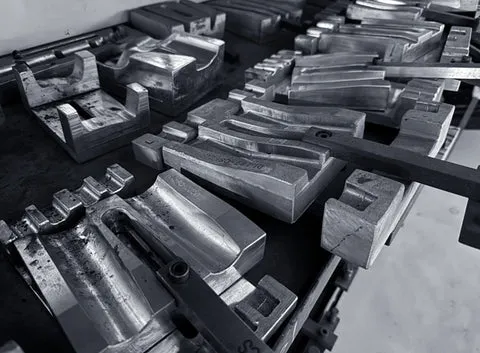
In the past, carbon fiber bicycles were often considered “exclusive to international big brands,” with high prices and high entry barriers. Now, with the comprehensive improvement of Chinese carbon fiber manufacturing in mold precision, layering technology, and fatigue testing, high-quality carbon fiber bikes can now match international top brands in terms of structural strength, consistency, and durability. For cyclists, this means performance is no longer necessarily tied to a high price premium. More of the budget is being spent on the materials and craftsmanship themselves, rather than on brand storytelling. This change is a key reason why carbon fiber bicycles will become the mainstream choice in 2025.
How do we select the best Carbon Fiber Bikes of 2025? (Evaluation and Testing Standards)
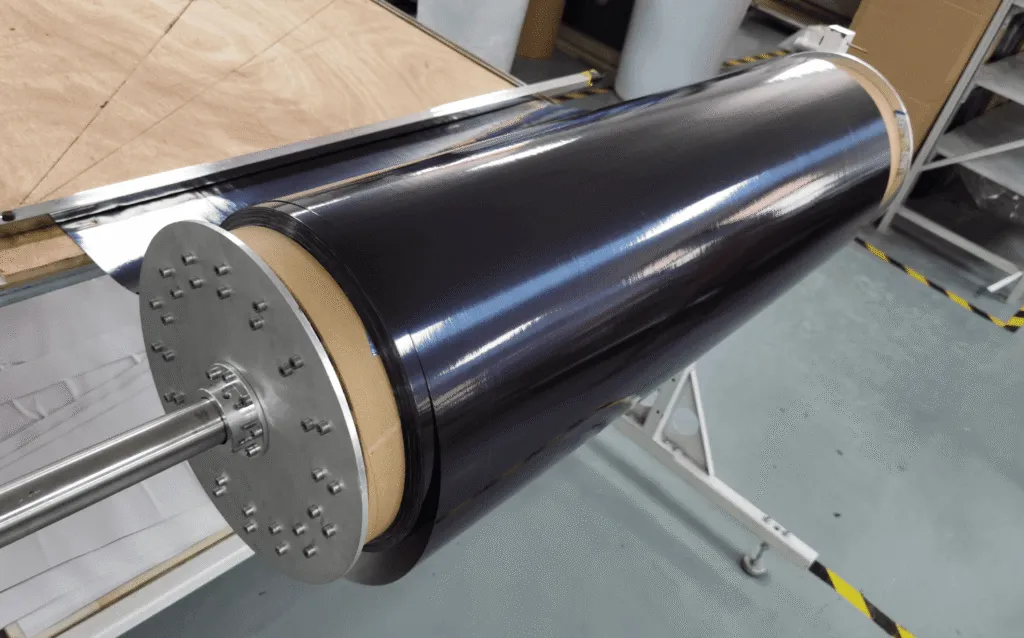
Selecting a truly excellent carbon fiber bike requires more than just looking at the overall weight or specifications list. We focus on the structural stability of the carbon fiber frame during long-term use, its real-world riding performance, and its ability to withstand high mileage and challenging road conditions. This evaluation system combines engineering-grade testing logic, actual riding feedback, and cost-effectiveness analysis to simulate the real-world usage scenarios of riders during daily training, competitions, and weekend long-distance rides.
1: Structural Strength and Durability Testing
This focuses on evaluating the fatigue resistance and impact resistance of the carbon fiber bike frame, including the stress distribution in high-stress areas such as the bottom bracket, head tube, and chainstays. Through simulated high-cadence output, repeated impact, and long-term load tests, we determine whether the frame has a “light but weak” problem, preventing micro-cracks or structural degradation in the future.
2: Riding Performance Evaluation
We analyze the riding experience from three dimensions: ride quality, power transfer, and stiffness balance. An excellent carbon fiber bicycle should have a direct response during acceleration, maintain stability and comfort during long rides, and not simply pursue a “dead stiff” racing orientation, balancing efficiency and controllability.
3: Real-world Riding Scenario Verification
The tests cover common application scenarios such as road, MTB, and gravel riding. We focus on wide tire compatibility, road feel feedback, and overall stability on rough roads, gravel, and long climbs, ensuring that the carbon fiber bikes are not just good in laboratory tests, but truly suitable for frequent use.
4: Value for Money Assessment
We evaluate the price range, manufacturing process, carbon fiber grade, and long-term reliability to determine if there are issues with brand premium or unbalanced configurations. A truly cost-effective carbon fiber bicycle should maintain stable performance after years of use, rather than having impressive short-term parameters but high long-term hidden costs.
Best Carbon Fiber Bikes Recommended for Different Riding Types
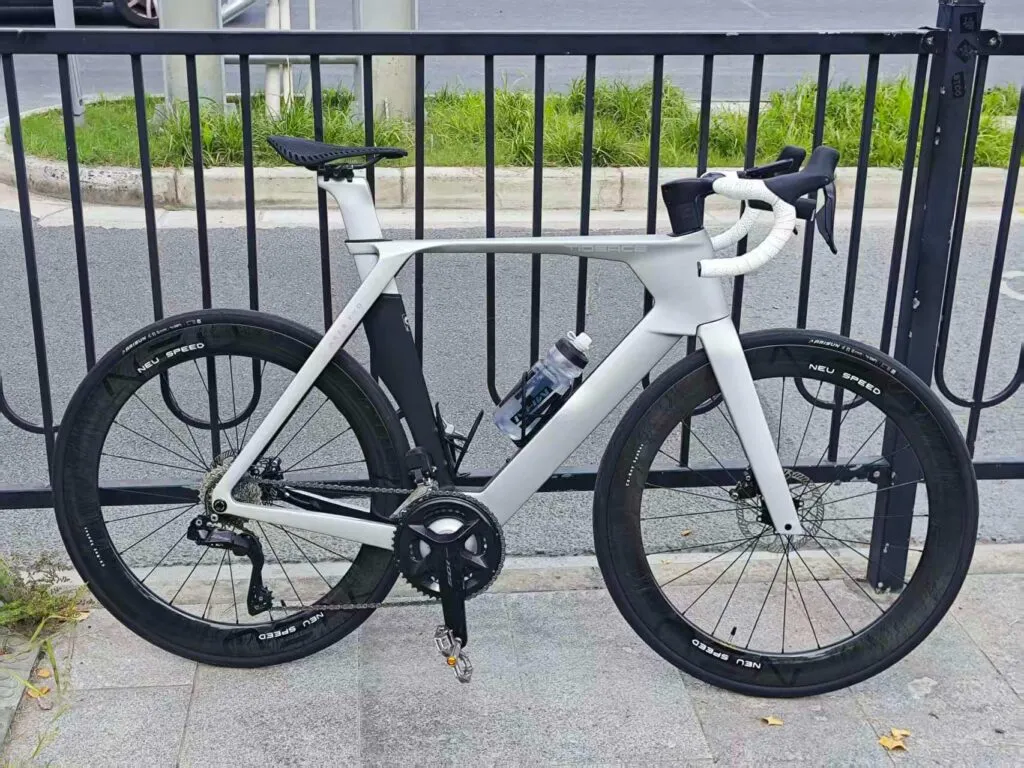
The needs for carbon fiber bikes vary significantly depending on the riding scenario. Road cycling emphasizes weight and stiffness for efficient power transfer, mountain biking focuses on structural strength and durability, while Gravel and All-Road riding prioritize comfort and multi-terrain adaptability. If the type of bike doesn’t match the riding style, even a high-end carbon fiber frame will struggle to perform optimally. This section will analyze the most suitable carbon fiber bicycle options based on actual riding purposes.
1: Road Cycling: Best Carbon Fiber Road Bikes of 2025
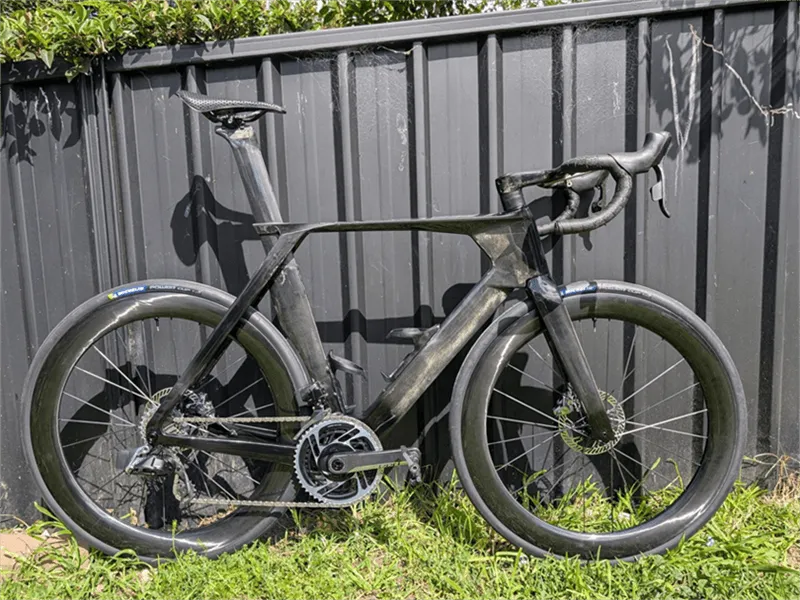
The core of carbon fiber road bikes lies in lightweight design, efficient power transfer, and stability at high speeds. Mature carbon fiber road bike frames typically reinforce stiffness in the bottom bracket and downtube areas, while optimizing the layup of the seat stays and fork to improve ride quality for long-distance riding. For riders who prioritize climbing and racing, weight, stiffness-to-weight ratio, and overall structural design are often more critical than brand prestige.
2: Mountain Biking: Best Carbon Fiber MTB Bikes (XC / Trail / Enduro)
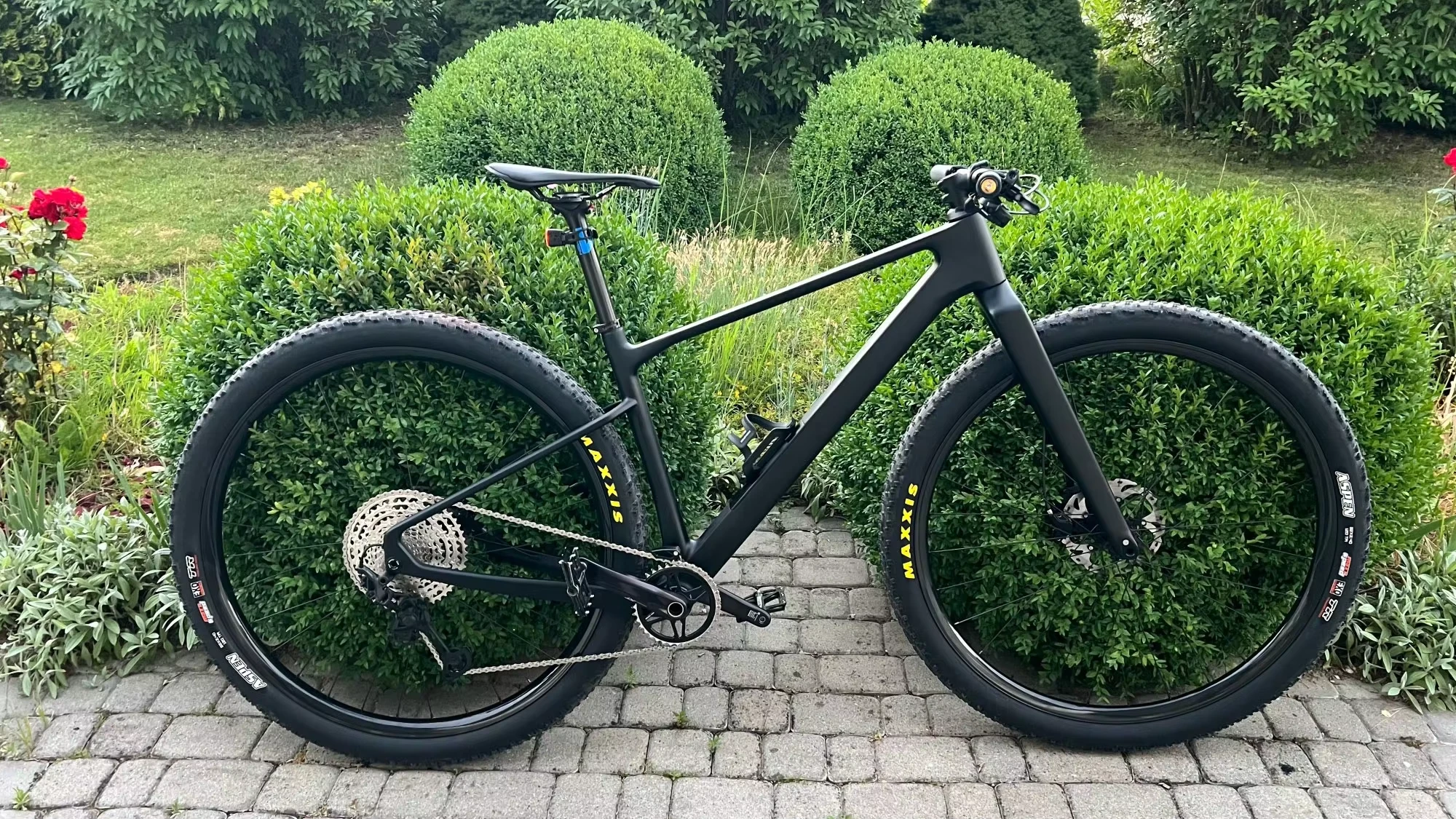
In carbon fiber MTB bikes, the design approaches for XC, Trail, and Enduro differ significantly. XC bikes prioritize low weight and quick response, while Trail and Enduro bikes emphasize impact resistance and long-term durability. High-quality carbon frames typically reinforce the layup in the head tube, suspension pivot points, and chainstays to pass more rigorous fatigue and impact tests. For users who frequently ride at high intensity, reliability is more important than extreme lightweight design.
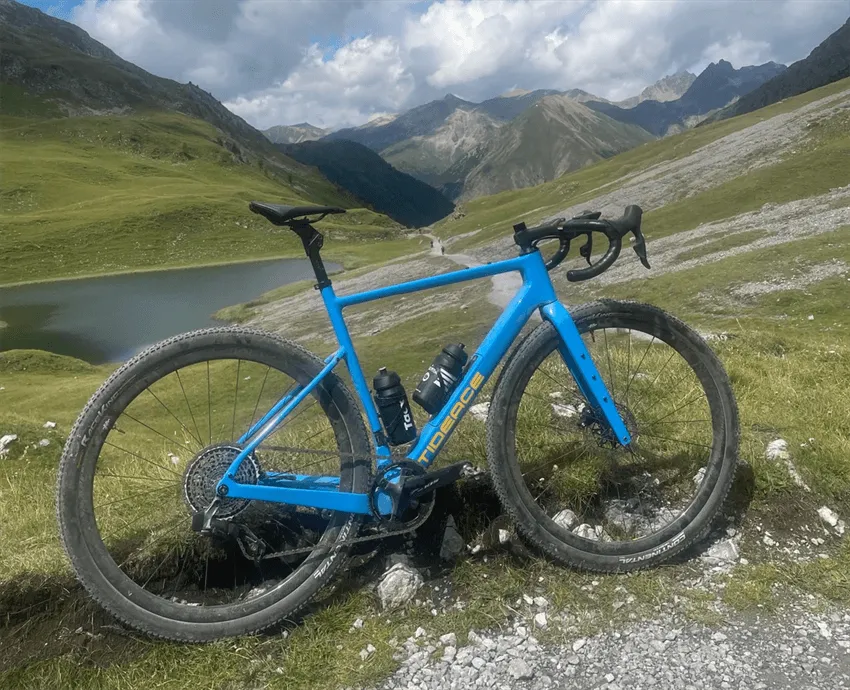
3: Gravel & All-Road: Carbon Fiber Bikes Balancing Comfort and Stiffness
Gravel and All-Road oriented carbon fiber bikes strive for a balance between comfort and stiffness. Through carbon fiber layup tuning, the frame filters road vibrations while maintaining sufficient pedaling efficiency, and provides greater tire clearance and multi-purpose compatibility. For riders who want a single bike to cover multiple scenarios, these types of carbon fiber bicycles are often a more practical choice.
The Truth About Carbon Fiber Bike Durability: Are Carbon Fiber Bikes Fragile?
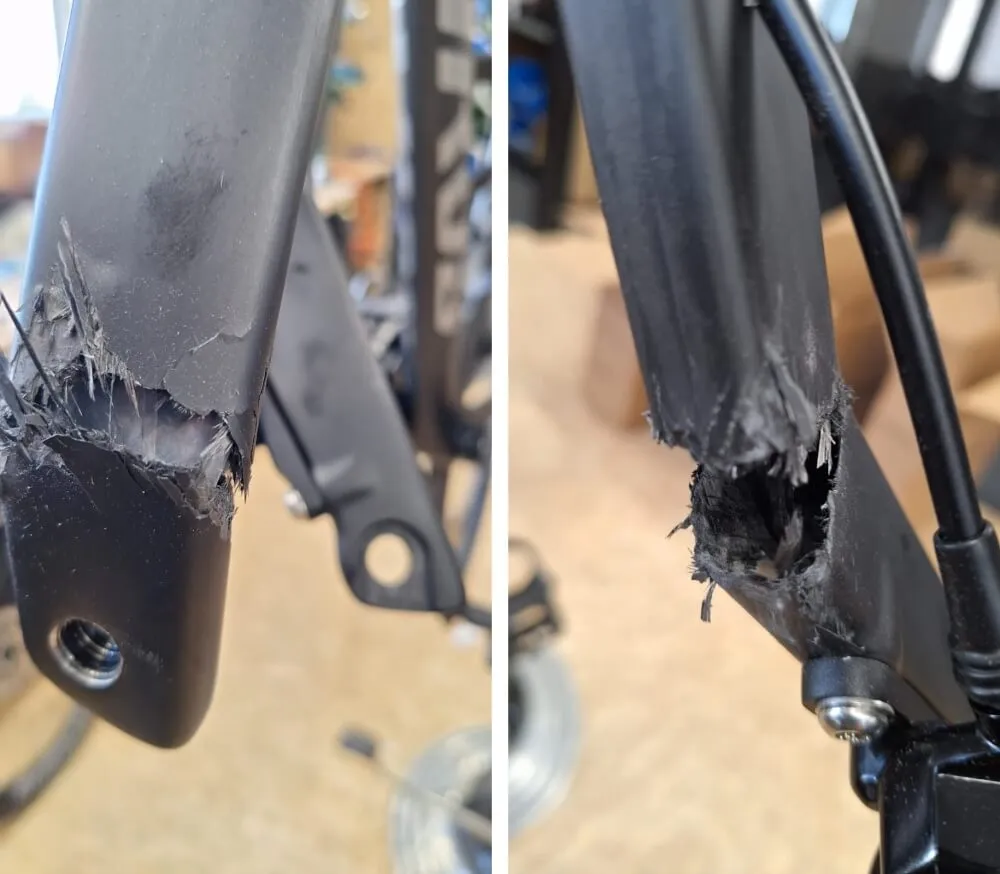
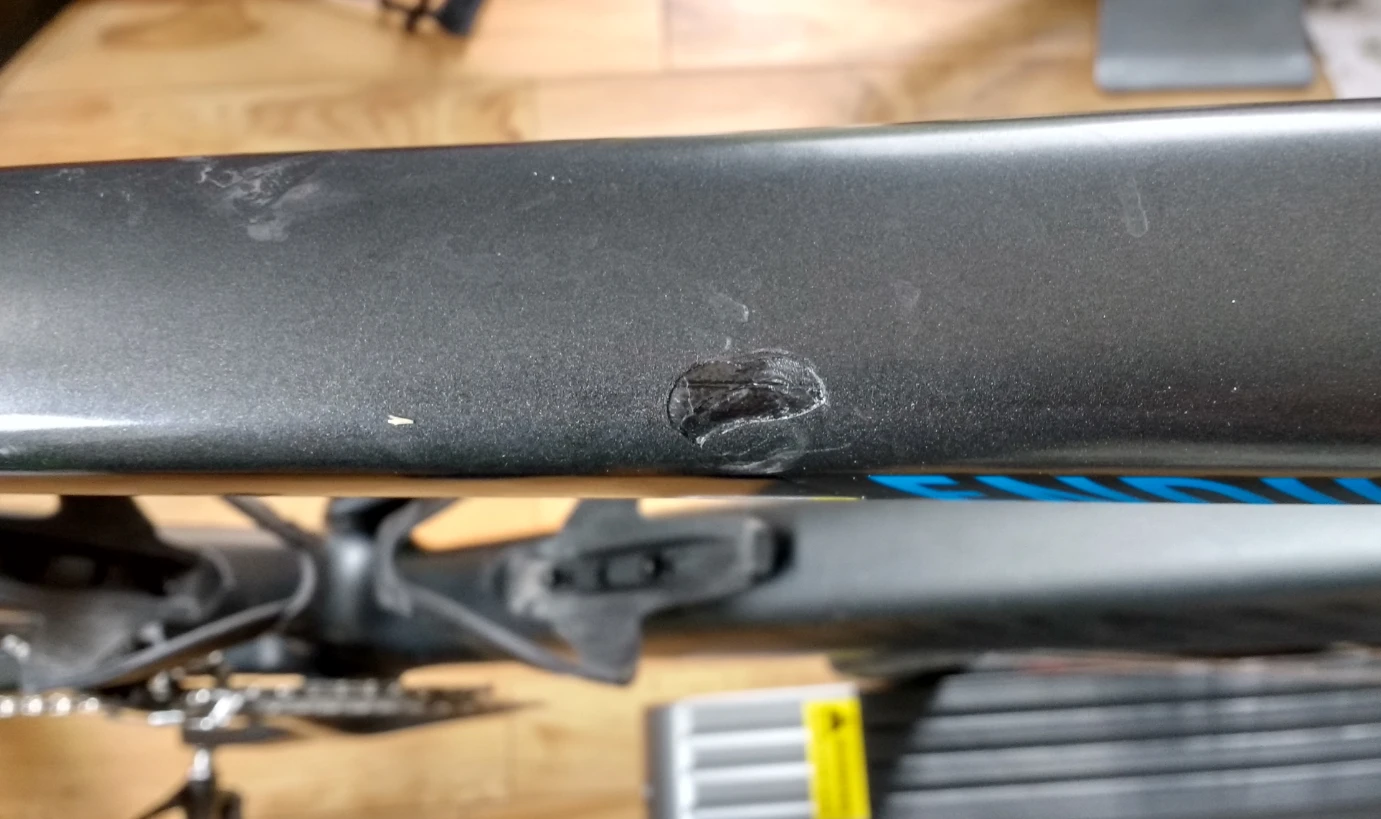
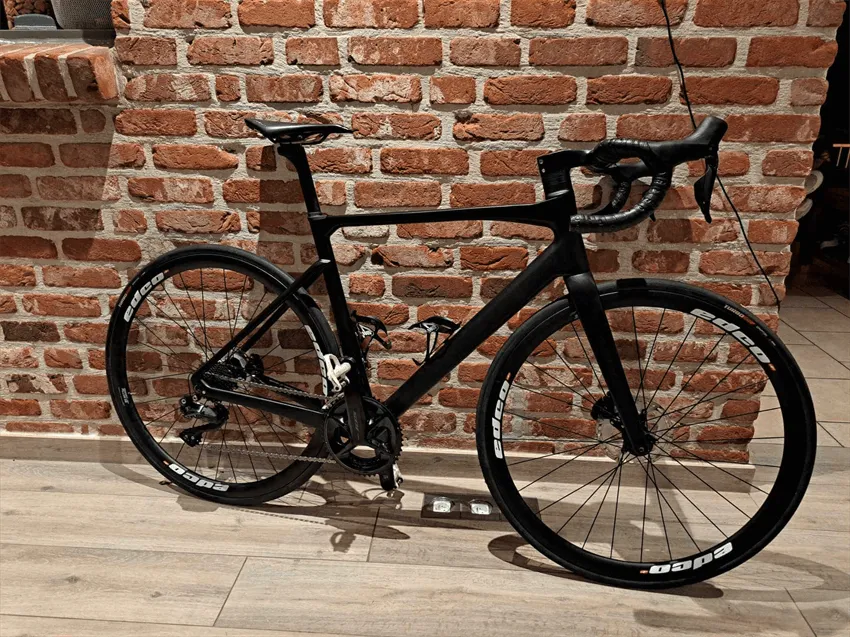
The discussion about whether carbon fiber bikes are “fragile” has always been a frequent topic in forums and review sections. Many concerns don’t stem from serious crashes, but rather from worries about sudden failure, invisible internal damage, and long-term reliability. This section will analyze the true durability of carbon fiber bicycles from three perspectives: material structure, failure modes, and factory testing, directly addressing the safety and lifespan issues that riders care about most.
1: Analysis of the Real Lifespan of Carbon Fiber Frames
From an engineering perspective, the lifespan of a carbon fiber frame primarily depends on the layup design and stress distribution, not the material itself. High-quality carbon fiber frames, under normal use conditions, often have a fatigue life that exceeds the service life of the entire bicycle. Actual tests show that well-designed carbon fiber bikes maintain stable stiffness and good ride quality during long-term riding, sufficient for frequent daily use.
2: Carbon Fiber vs. Aluminum Alloy vs. Steel Frames: Comparison of Structural Failure Modes
The core difference between different frame materials lies in their structural failure modes. Aluminum alloys often exhibit fatigue crack propagation, steel frames tend towards plastic deformation, while carbon fiber releases stress through fiber breakage or delamination. Maturely designed carbon fiber bikes can more precisely control the stress paths, achieving “stiffness where needed and flexibility where desired,” which is why many riders appreciate their riding performance.
3: How Factory-Level Testing Ensures the Long-Term Reliability of Carbon Fiber Bikes
What truly determines the reliability of a carbon fiber frame is the factory-level testing system. This includes fatigue tests, impact tests, and overload tests of critical structures, used to simulate years of riding and extreme conditions. For consumers, understanding these testing standards and design logic is more important than simply focusing on weight parameters when judging whether a carbon fiber bike is worth a long-term investment.
How to Choose the Best Carbon Fiber Bike for You?
Choosing the right carbon fiber bike isn’t about finding the lightest or most expensive one, but rather one that matches your riding needs. Frame geometry, carbon fiber layup logic, and the trade-offs in components within your price range directly impact long-term ride quality, durability, and value for money. The following three aspects fundamentally determine whether a carbon fiber bicycle is “good to ride and durable.”
1: Frame Geometry and Riding Position Matching
Frame geometry determines riding posture and handling feel, and is often more important than frame size. Stack, Reach, and Head Angle directly affect power transfer and comfort during long rides. Aggressive geometry is more conducive to speed and efficiency, but requires better physical condition; endurance-oriented geometry is more suitable for long distances and daily training. Many riders find carbon frames “stiff and tiring,” which is often due to mismatched geometry.
2: Differences in Carbon Fiber Grades and Layup Methods
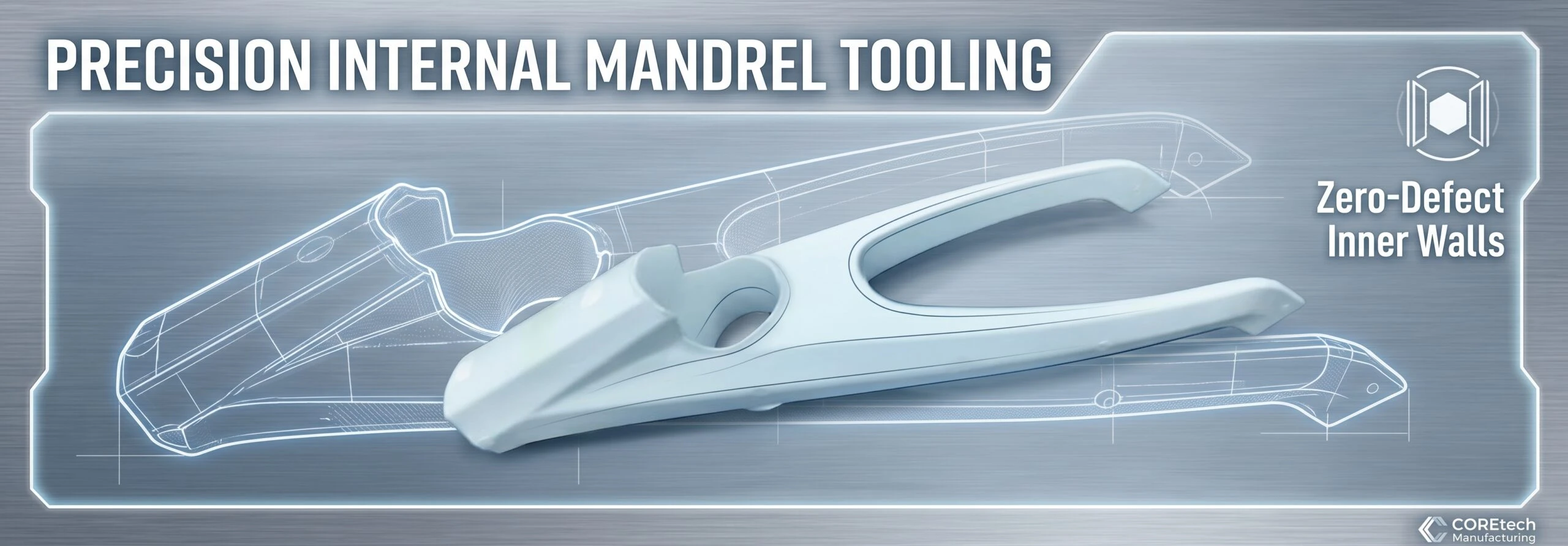
Not all carbon fiber bikes use the same carbon fiber fabric and layup methods. High-modulus carbon fiber helps reduce weight, but what truly determines frame quality is the layup design. A mature design will emphasize rigidity in the BB and head tube areas, while improving shock absorption and fatigue resistance in the chainstays and seat tube areas. Simply looking at the carbon fiber grade or promotional parameters often doesn’t reveal true durability.
3:Price Range Analysis: Entry-Level vs. High-End Carbon Fiber Bicycles
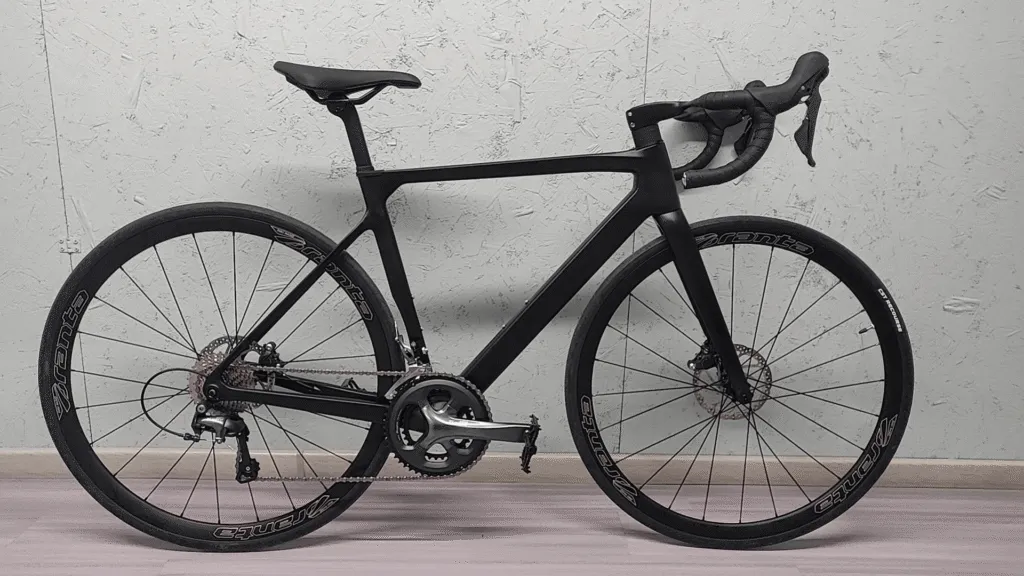
In 2025, entry-level carbon fiber bicycles already meet the daily riding needs in terms of strength and safety. The main differences lie in weight, detailed design, and ride feel tuning. High-end carbon fiber bicycles are more aggressive in lightweight design and structural optimization, suitable for riders pursuing ultimate performance. The key is to determine whether the improvements brought by the budget increase are truly noticeable, rather than simply paying for brand premium.
Technological Development Trends of Carbon Fiber Bikes in 2026
With the maturation of carbon fiber manufacturing technology and overall bicycle design concepts, carbon fiber bikes in 2026 will no longer simply pursue lighter weight, but will focus on systematic upgrades centered around structural efficiency, practical riding reliability, and long-term ownership costs. From an engineering perspective, the next stage of technological development will focus on integrated structures, expanded compatibility, and more sustainable carbon fiber production methods. These changes will directly impact the ride quality, durability, and real-world usability of the entire bicycle.
1: Integrated Molding and Internal Cable Routing Design Trends
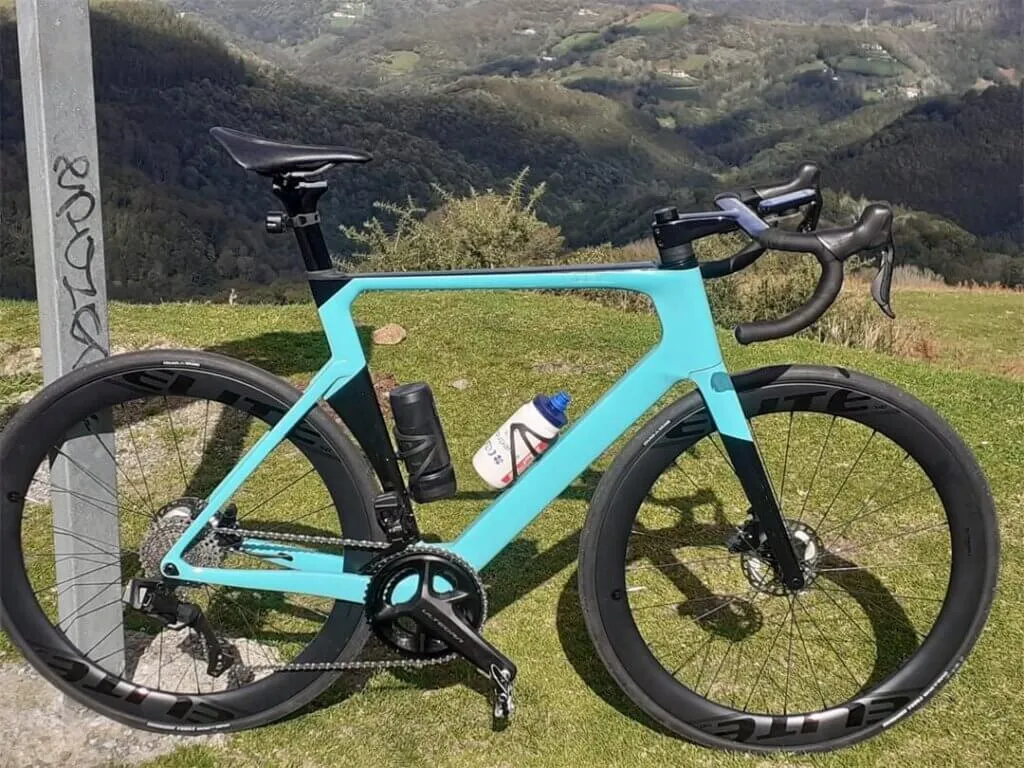
Integrated molding is becoming standard for high-end carbon fiber bike frames. By reducing splicing points and metal inserts, the overall rigidity of the frame is more uniform, while also reducing the risk of stress concentration. The new generation of fully internal cable routing is no longer just about a “clean look,” but is optimized for maintainability by adjusting routing radii, reducing steering resistance and noise issues – a detail that many riders care about most in practical use.
2: UDH, Wide Tire Clearance, and Multi-Purpose Frames
The widespread adoption of UDH (Universal Derailleur Hanger) is significantly improving the compatibility and after-sales convenience of carbon fiber bikes in terms of drivetrain systems. At the same time, wider tire clearance has extended from MTBs to gravel and all-road carbon fiber frames, allowing one bike to cover more riding scenarios. For riders seeking “one bike for multiple uses,” multi-purpose carbon fiber frames are becoming a key choice for cost-effectiveness and practicality.
3: Exploring More Environmentally Friendly Carbon Fiber Manufacturing Processes
Environmentally friendly manufacturing is moving from concept to reality. This includes low-VOC resin systems, recyclable carbon fiber materials, and more efficient layup processes, which are being gradually introduced into the mass production of carbon fiber bikes. For consumers, this is not only an environmental label, but also means more stable quality consistency and more controllable long-term durability, helping to reduce the risks associated with “batch variations.”
Frequently Asked Questions (FAQ): Popular Questions about Carbon Fiber Bikes
Q1: Are carbon fiber bikes worth the long-term investment?
A1: High-end carbon fiber frames have a higher initial cost, but considering their fatigue life, impact resistance, and lightweight advantages, the performance improvements and riding efficiency benefits over the long term are significant. According to BikeRadar test data, the structural lifespan of top-tier carbon fiber road and mountain bikes can average over 10 years, offering far better value for money than aluminum alloy or steel frames with proper maintenance.
Q2: Are carbon fiber bicycles suitable for everyday riding or only for racing?
A2: Modern carbon fiber bikes are not limited to track or racing use. All-rounder carbon fiber frames designed for commuting, long-distance training, or weekend riding have been significantly optimized in terms of comfort, vibration damping, and handling stability, making them suitable for everyday riding. Some riders in Europe and the US also refer to them as “do-it-all carbon rigs,” meaning versatile models that balance performance and everyday use.
Q3: How to judge the workmanship and quality of a carbon fiber bicycle?
A3: Judging the quality of a carbon fiber bicycle depends on the layup process, carbon fiber grade, welding/bonding quality, and molding consistency. In practice, you can check for the absence of obvious bubbles in the frame, a smooth surface, and tight seams. Also, pay attention to the manufacturer’s QC test data, such as ISO fatigue tests and impact tests. On European and American cycling forums, many experienced riders use “no-drip resin finish” and “uniform layup” as common indicators of high quality in the industry.
Summary: Which Carbon Fiber Bike is Right for You?
Choosing the right carbon fiber bike is not only crucial for your riding experience but also directly impacts long-term performance and durability. Different riding types and budget requirements determine the choice of frame material layup, geometric design, and carbon fiber grade. By comprehensively evaluating ride quality, stiffness, weight-to-strength ratio, and actual test data (such as fatigue test/impact resistance), you can more accurately match the most suitable carbon fiber bicycle for your needs. The recommendations summarized in this article will help you make an informed choice among the many new 2025 models, while considering performance, comfort, and value for money.
1:Final Recommendations Based on Different Riding Needs
| Riding Type | Recommended Model | Carbon Fiber Grade | Frame Features | Suitable Scenarios | Key Advantages | Notes / Industry Terms |
|---|---|---|---|---|---|---|
| Road | Road Carbon Fiber Bikes | Mid-to-High Modulus | Lightweight, optimized tube shaping | Long-distance riding, racing | High stiffness, efficient power transfer | – |
| Mountain | MTB Carbon Fiber Bikes | High Modulus | Impact-resistant, fatigue-resistant | Enduro, Trail | Excellent stability, wide tire clearance | UDH rear hanger |
| All-Rounder | All-Rounder Carbon Bikes | Mid Modulus | Vibration damping, comfor |
2:Professional Advice on 2025 Carbon Fiber Bicycles from an Engineer’s Perspective
When choosing a 2025 carbon fiber bicycle, you should focus on the layup process, carbon fiber grade, joint quality, and test data provided by the manufacturer (such as ISO fatigue test/impact resistance). High-quality layup and even resin distribution can significantly improve frame lifespan and riding comfort. Engineers recommend choosing tested carbon fiber bikes that have been validated through actual riding, taking into account riding style, weight, and budget, to avoid being misled by low-price marketing and achieve the best riding experience that balances performance and durability.
For more information about carbon fiber bicycle models or customization options that suit your needs, please feel free to contact our professional team. We will provide you with personalized advice and support.