Every year-end, searches for bike frame manufacturers rise significantly. Google Trends shows that queries such as “best bike frame manufacturers” and “OEM bike frame manufacturers” consistently increase in the North American market during Q4. On platforms like Pinkbike, MTBR, and Reddit’s r/MTB forum, discussions have moved beyond weight figures to focus on carbon fiber grade, layup processes, fatigue testing, and mass-production consistency. For professional riders, race-proven performance and long-term durability under abuse are the true benchmarks; for OEM brands, stable delivery, quality control, and engineering support often matter more than low pricing. As a result, bike frame manufacturers trusted by both Pro Riders and OEM Brands are emerging as true market leaders.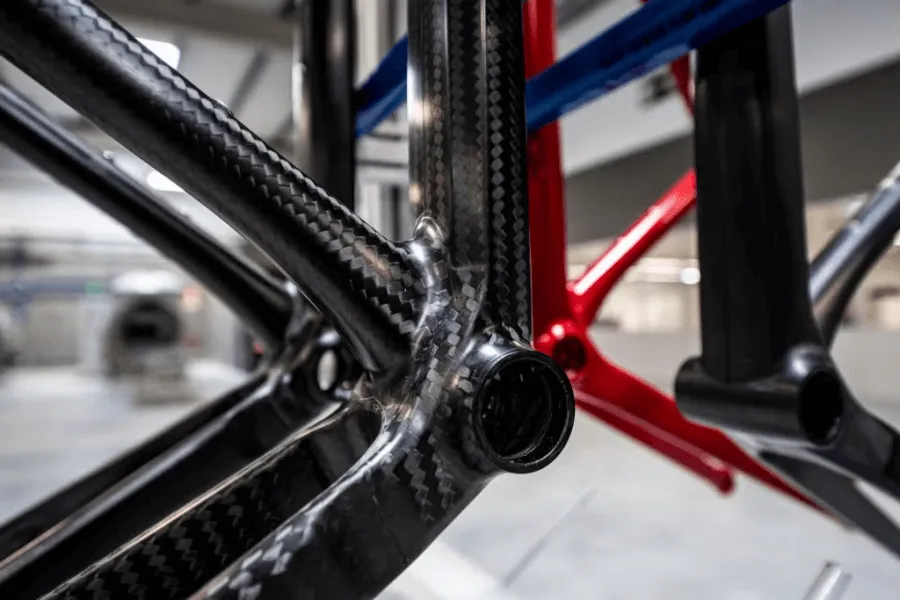
Why is the end of the year the best time to evaluate Bike Frame Manufacturers?
The end of the year is a crucial period for riders and OEM brands to review bike frames and suppliers. Whether for racing frames or mass production collaborations, the focus is on reliable bike frame manufacturers. At this time, market data, user reviews, and supply chain information are more complete, providing a more accurate reflection of manufacturers’ capabilities and making it easier to quickly identify reliable partners among numerous bike frame suppliers and bicycle frame factories.
1: Why are year-end reviews more likely to be indexed by Google (Best/Top/Review search trends)?
In the fourth quarter, Google is particularly sensitive to searches for “best bike frame manufacturers” and OEM bike frame manufacturers. Year-end reviews and rankings are more aligned with user search intent, making them more likely to receive EEAT signals and higher indexing rates. They also showcase engineering capabilities such as carbon fiber layup processes, fatigue testing, and batch consistency.
2:The Real Logic Behind Pro Riders and OEM Brands Choosing Manufacturers at the End of the Year
Professional riders focus on race-proven performance and durability, while OEM brands prioritize stable production capacity, quality control, and engineering support. Year-end manufacturer selection combines user feedback and mass delivery data from the entire year to identify manufacturers with both a strong reputation and capabilities in carbon bike frame manufacturing and custom bike frame manufacturing.
3: The Industry Shift from “Brand Recognition” to “Manufacturing Capability”
European and American riders and brands are no longer solely focused on brand recognition or price, but instead examine material grades, layup precision, fatigue testing systems, and mass production consistency. Whether bike frame manufacturers provide engineer-level technical support and traceable QC processes has become a core selection criterion, reflecting a market shift from “brand premium” to “manufacturing capability premium.”
Core Standards Trusted by Pro Riders and OEM Brands in Bike Frame Manufacturers
Choosing trustworthy bike frame manufacturers isn’t just about price or brand recognition. Whether it’s high-performance frames for professional riders or mass production needs for OEM brands, engineering capabilities, material quality, quality control, and delivery reliability are crucial factors determining the success of a partnership. Below, we analyze these standards from three core dimensions and how they impact riding experience and mass production reliability.
1. Frame Materials and Engineering Capabilities (Carbon/Aluminum/Hybrid)
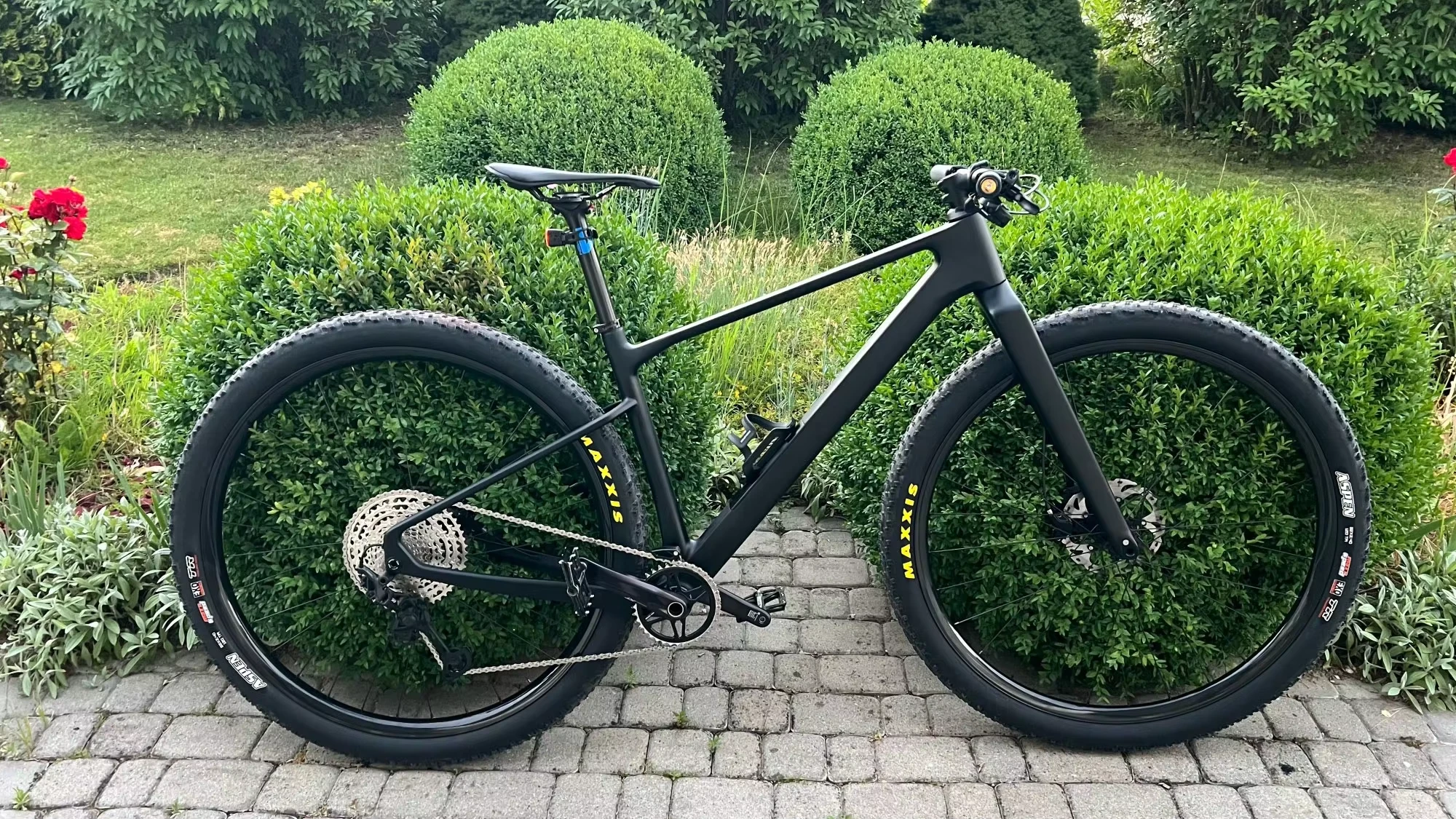
Material differences among carbon bike frame manufacturers: Different grades of carbon fiber (T700, T800, T1000) exhibit different strengths, stiffness, and weights, directly affecting riding performance and durability.
Is the layup design engineer-led? Engineer-led layup (layering scheme) optimizes stress distribution and vibration absorption, preventing “dead spots” and potential cracks.
Common terminology: European and American companies often use industry jargon such as “full carbon monocoque” and “carbon layup schedule” to describe the depth of frame design and the maturity of the manufacturing process.
2. Comprehensive Quality Control and Testing System
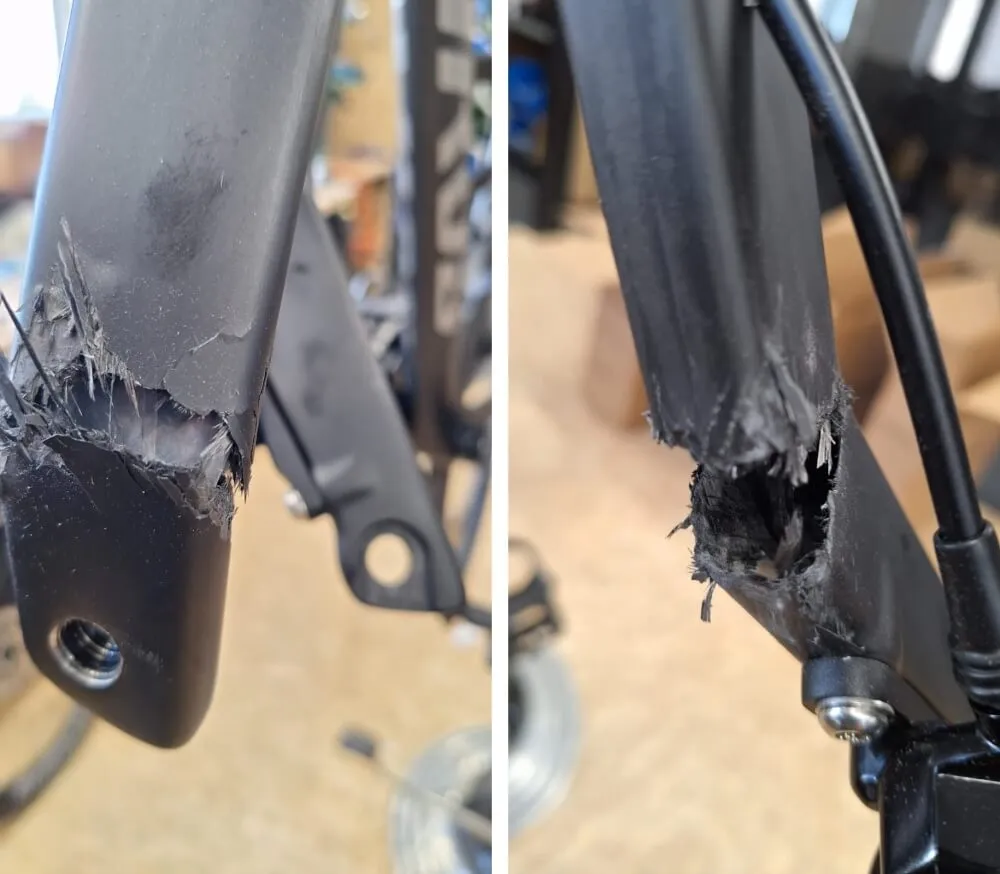
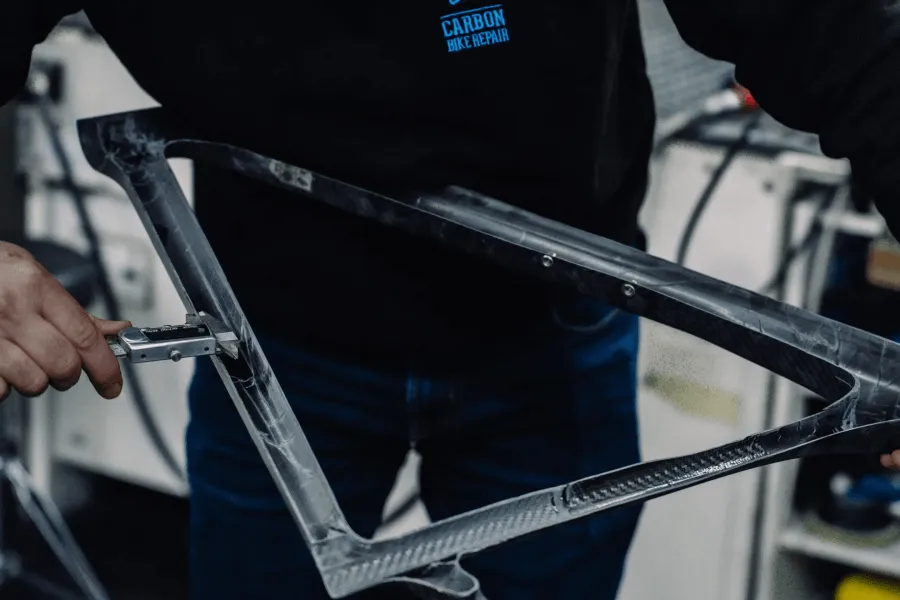
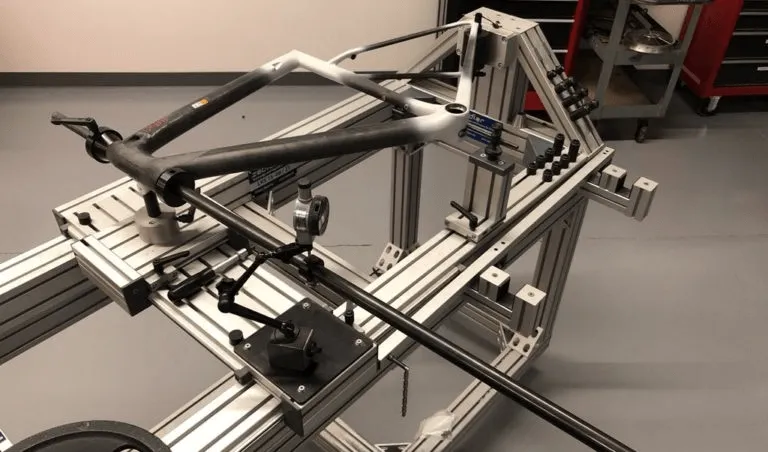
ISO / EN / Proprietary Fatigue Testing: Reliable bike frame testing standards are key indicators of whether a frame is suitable for long-term, high-intensity use.
Batch consistency vs. individual sample performance: Pro Riders focus on race-proven performance, while OEM brands prioritize mass production consistency, ensuring that each batch meets specifications.
3. OEM/ODM Experience and Delivery Reliability
Common problems with OEM bike frame manufacturers: Smaller manufacturers often experience issues such as unstable molds, delivery delays, and poor batch consistency.
Small-batch customization vs. large-volume delivery capabilities: Mature manufacturers can handle both prototype and volume production, accommodating rider testing and brand mass production.
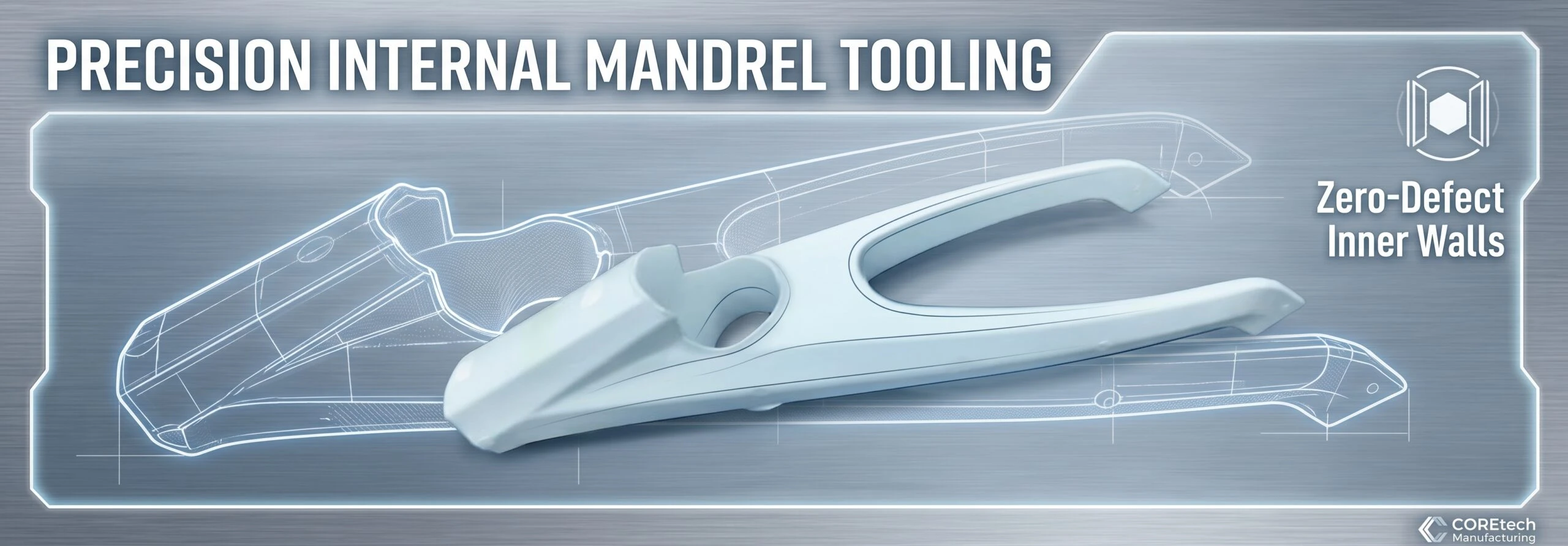
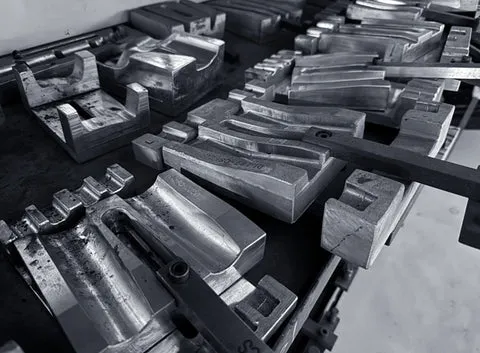
Mold development and long-term partnership capabilities: European and American brands often mention “tooling stability” and “long-term partnership,” signifying a reliable supply chain and engineering support.
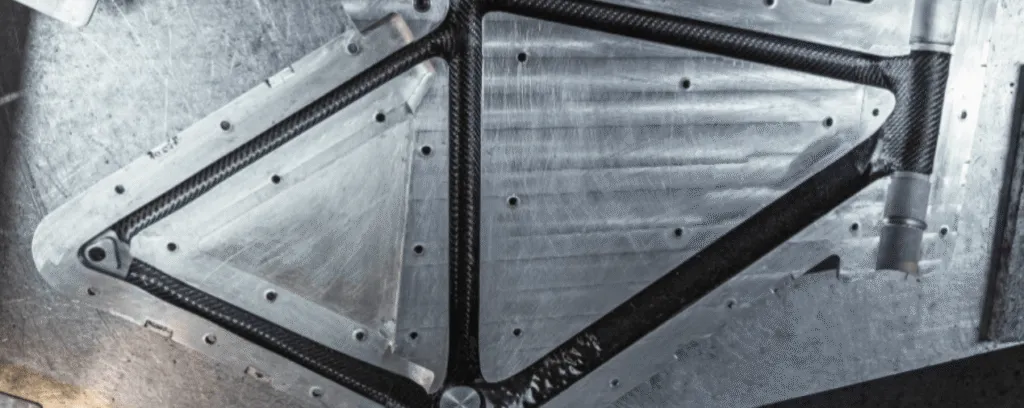
Top 10 Bike Frame Manufacturers to Watch in H2 2025 (Categorized by Capability)
In 2025, top bike frame manufacturers are no longer simply competing on lightweight design or low prices, but are winning the trust of professional riders and OEM brands through performance, craftsmanship, and production stability. Whether it’s carbon fiber layup precision, fatigue testing standards, or large-scale delivery capabilities and customized services, these manufacturers are ensuring that every race-proven bicycle frame can withstand the rigors of track abuse and long-term use. The following categorizes and evaluates leading manufacturers in the industry based on different capabilities, providing a reference for professional riders and brand procurement.
A. High-Performance Bike Frame Manufacturers Trusted by Professional Riders
These manufacturers focus on optimizing the performance of carbon fiber or high-end alloy frames, emphasizing rigidity, weight ratio, handling response, and race-proven performance. Riders are concerned not only with lightweight parameters but also with durability and handling feedback under long-distance, off-road, or extreme conditions. Representative manufacturers include:
| Manufacturer | Country | Frame Focus | Key Strengths | Target Users |
|---|---|---|---|---|
| Canyon | Germany | High-end carbon fiber | Race-ready road & MTB frames, mature layup, strict fatigue testing | Pro Riders |
| Colnago | Italy | Performance-oriented carbon fiber | Focus on riding feel, widely tested in professional competitions | Pro Riders |
| Factor | – | Carbon fiber | Balance of lightweight and rigidity, high-performance frames | Pro Riders |
| Giant | Global | Road & MTB frames | Race-proven frames, OEM bike frame solutions | Pro Riders & OEM brands |
| Merida | – | Road & MTB frames | Material precision, handling feedback | Pro Riders |
These manufacturers not only meet the needs of Pro Riders for race-ready carbon bike frames but also consider fatigue life, handling precision, and competition-level performance verification, making them the preferred high-performance bike frame manufacturers for professional riders.
B. Bike Frame Manufacturers Trusted by OEM Brands
These manufacturers focus on production stability, quality control systems, and long-term cooperation capabilities as their core competencies, meeting the large-scale customization needs of brands. OEM bicycle frame manufacturing goes beyond simply applying a brand label; it encompasses precise layup design, full-process quality control, material traceability, and reliable delivery.
Representative manufacturers include:
ICAN — Specializing in customized production of high-performance carbon fiber frames and components, meeting the needs of OEM brands.
LightCarbon — Providing highly consistent layup processes and fatigue testing, focusing on mass production of road and mountain bike frames.
HaideliBikes — A carbon bike frame manufacturer with engineering and manufacturing at its core.
These manufacturers guarantee the consistency and stable performance of each batch of frames, which is a crucial guarantee for long-term cooperation with brands.
C. Engineering-oriented Bike Frame Manufacturers Balancing Performance and Customization Capabilities (Key)
This category of manufacturers balances high performance and customization capabilities, while also providing engineering technical support, meeting the dual standards of Pro Riders and brands for race-ready, durable, and personalized needs.
Representative manufacturers include:
HaideliBikes — With over ten years of experience in carbon fiber frame manufacturing, focusing on carbon bike frame manufacturing, with independent layup design + full-process QC.
Dengfu — A well-known Chinese OEM carbon fiber frame supplier, providing stable mass production and reliable quality control.
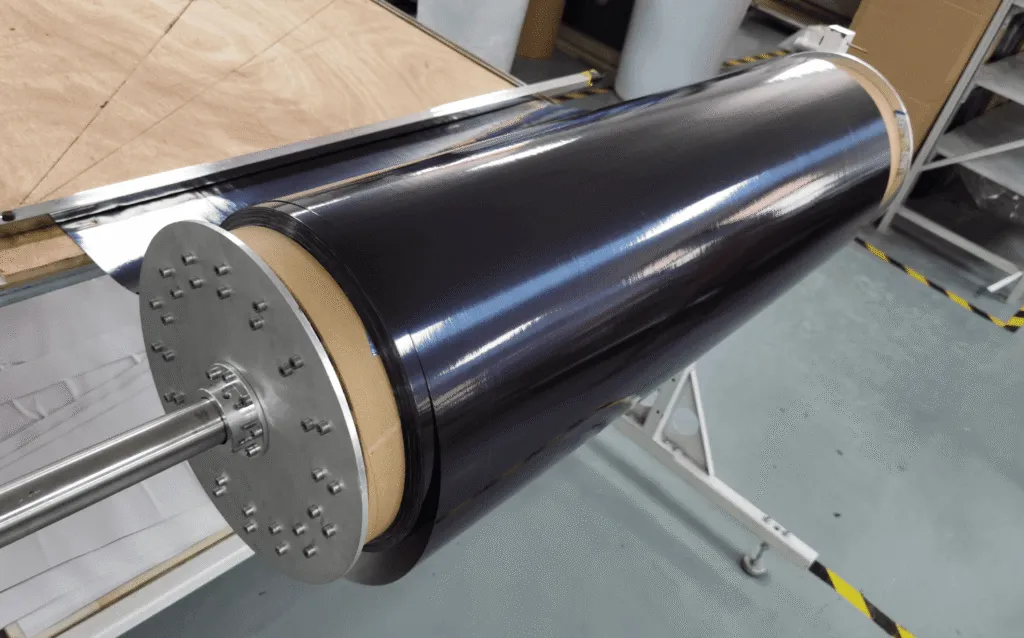
The Most Common Pitfalls for OEM Brands When Choosing Bike Frame Manufacturers
Choosing the right OEM bike frame manufacturers isn’t just about pretty samples or low prices. Many brands only discover problems during mass production: inconsistent frame quality, significant differences in layup processes compared to samples, or carbon fiber grades and fatigue tests that don’t meet standards. For OEM brands hoping for long-term partnerships, understanding the manufacturing process, quality control, and after-sales responsibilities is crucial; otherwise, they risk encountering “hidden costs” in production, delivery, and after-sales service. Below are some of the most common pitfalls to help brands avoid these risks.
1:Good Samples ≠ Stable Mass Production
Small-batch samples may perform perfectly, but in large-scale production, bike frame consistency, layup precision, and mold stability can easily deviate. Many OEM brands encounter situations where “the first batch is okay, but the rest of the batch fails QC.”
2:The Risks of Over-Reliance on Low-Price Bike Frame Factories
Low-price factories often use lower-grade carbon fiber or simplified testing procedures. While this may seem to save costs in the short term, it can lead to fatigue failure or after-sales complaints, ultimately increasing overall costs in the long run.
3:Ignoring Testing Standards and After-Sales Responsibilities
Manufacturers without strict ISO/EN testing procedures or clear after-sales agreements are easily caught off guard by customer complaints or repairs. For OEM brands, engineering support and a complete QC process are more critical than price alone.
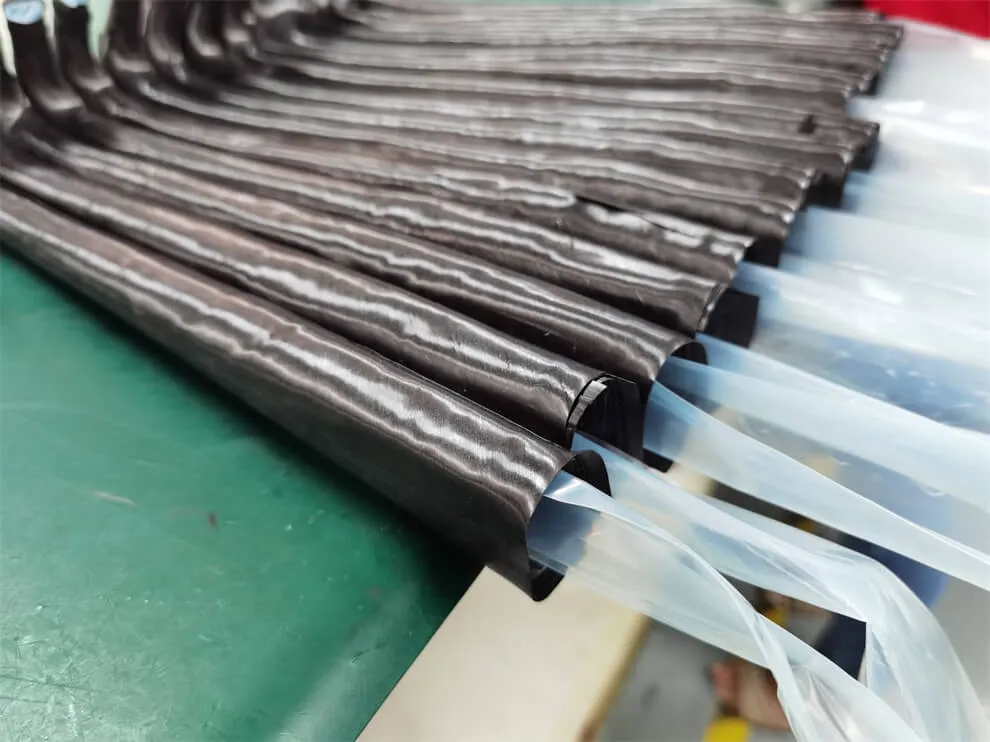
2026 Trend Outlook: What Changes Are Happening Among Bike Frame Manufacturers?
With the maturation of carbon fiber and lightweight technologies, bike frame manufacturers in 2026 will face higher technical and quality requirements. Pro riders and OEM brands are demanding increasingly stringent standards for frame durability, engineering precision, and delivery stability, shifting the industry from simply pursuing low costs and private labeling to emphasizing engineering capabilities, testing standards, and customized solutions. The following trends will be key factors in determining brand competitiveness.
1:Stricter Testing and Traceability Systems
Top carbon bike frame manufacturers are introducing ISO/EN standards and proprietary fatigue testing processes to provide full traceability for each batch of frames. Batch consistency, early crack detection, and fatigue life data are becoming core indicators for OEM brands when selecting suppliers, ensuring that pro riders can use the frames with confidence in competitions and extreme riding conditions.
2:Growth of Customized Carbon Bike Frames
With the increasing demand for personalization and lightweight designs, customized carbon fiber MTB frames and road bike frames are growing rapidly. Riders are paying more attention to layup processes, T700/T800/T1000 carbon fiber fabric selection, and the precision of size matching and geometric adjustments, which directly affect handling, stiffness, and riding comfort.
3:Engineering Capabilities Are Replacing “Private Labeling Capabilities”
OEM brands and professional riders are no longer satisfied with just price and appearance; “private labeling capabilities” are no longer a core competitive advantage. Bike frame manufacturers with independent design capabilities, precision mold manufacturing, layup scheme optimization, and systematic QC are the ones that can truly meet the demands for long-term stable mass production and high performance, becoming market leaders.
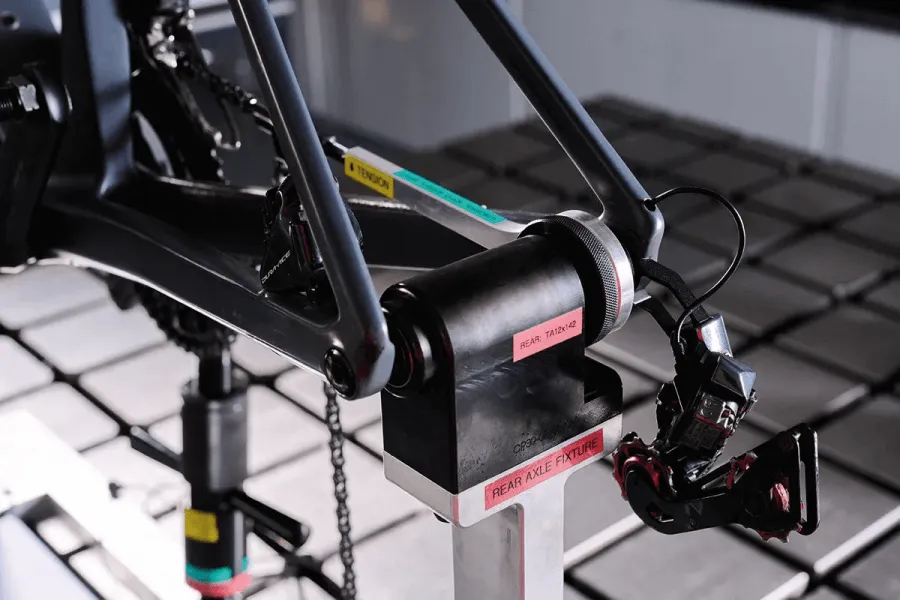
Engineer’s Advice: How to Find a Truly Reliable Bike Frame Manufacturer?
Choosing a reliable bike frame manufacturer isn’t just about price quotes or frame specifications; it requires a comprehensive assessment of core capabilities such as manufacturing processes, material control, and testing standards. For Pro Riders or OEM brands, carbon fiber grade (T700/T800), layup design, fatigue testing, and batch consistency often reflect the true quality of the frame more accurately than lightweight data alone. Below, we’ll help you assess a manufacturer’s reliability and avoid common procurement pitfalls from three key aspects.
1:Focus on Manufacturing Processes, Not Just Parameters
When evaluating a manufacturer, focus on their full production workflow: from raw material procurement and carbon fiber layup to molding processes and curing procedures, every step directly impacts the frame’s strength and durability. Simply focusing on weight or geometric parameters can easily overlook potential fatigue crack risks and inconsistencies in mass production.
2:Ask About Testing Methods, Not Just Weight
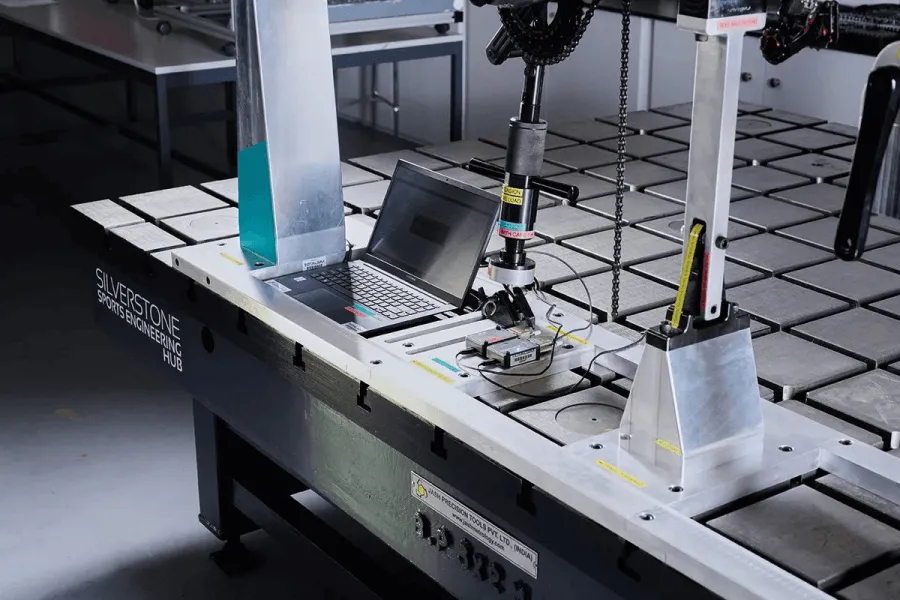
Professional manufacturers will provide detailed fatigue testing, ISO/EN test reports, or results from their own in-house lab tests. Understanding their testing procedures, the types of jigs used, and load standards is a better indicator of frame reliability than simply looking at the nominal weight. Frames that are “bench-tested” or “race-proven” have usually undergone rigorous verification.
3:Why Long-Term Partnerships are More Important Than One-Time Purchases
Short-term purchases might yield good samples, but mass production often reveals parameter drift or inconsistent quality control issues. Establishing long-term partnerships with experienced OEM bike frame manufacturers ensures consistency in materials, processes, and testing standards for every batch of frames, thereby reducing rework, after-sales service, and safety risks.
Summary: Why “Trusted” Bike Frame Manufacturers Are the Long-Term Choice
Truly trustworthy bike frame manufacturers don’t win solely through advertising or low prices, but by earning the recognition of Pro Riders and OEM Brands through stable manufacturing processes, rigorous quality control, and engineering capabilities. The value of long-term cooperation is reflected not only in bicycle performance but also in reliable delivery and continuous technical support. Below, we summarize its importance from three core dimensions.
1:For Pro Riders: Stability, Safety, and Predictability
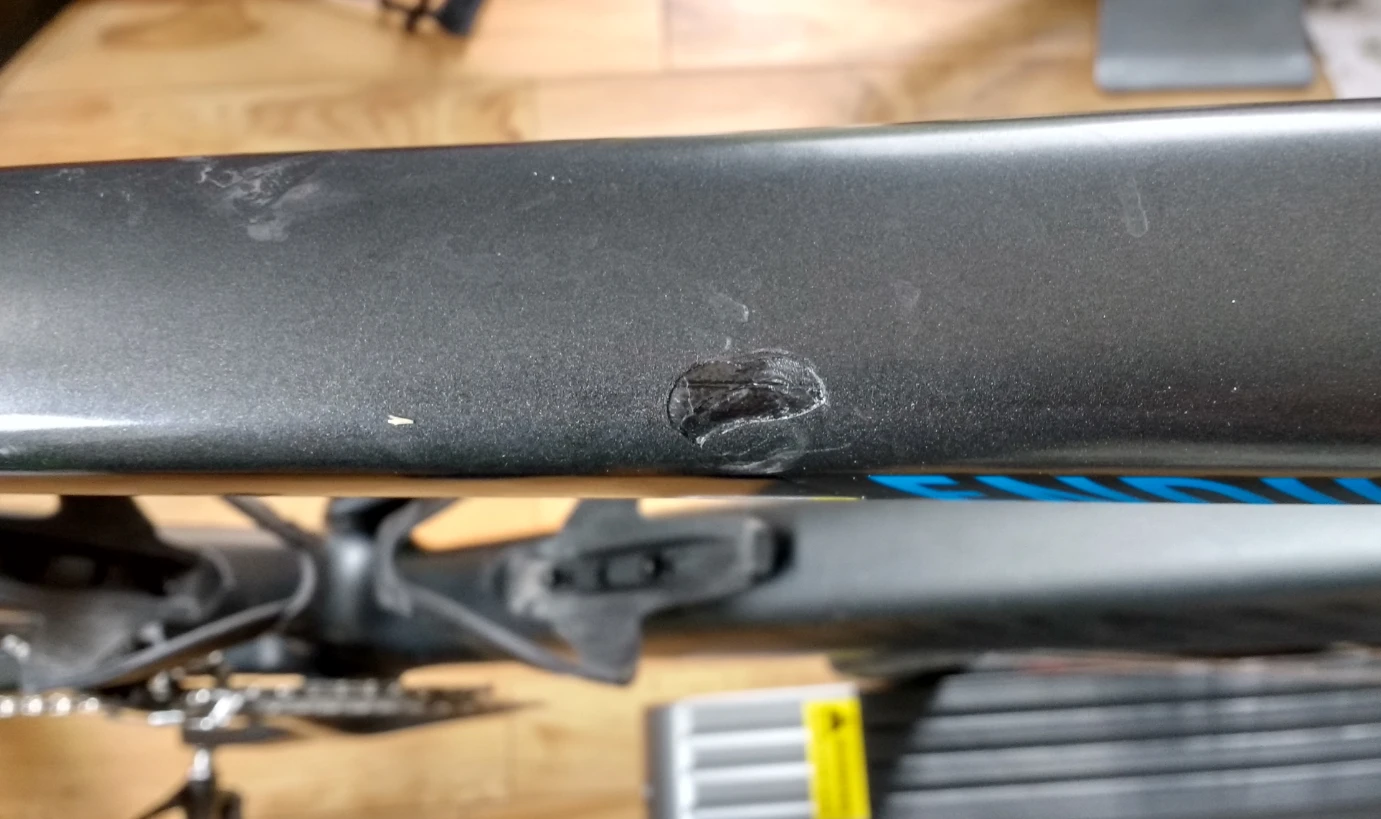
Professional riders are concerned not only with weight or geometric parameters, but also with the actual riding feel, stiffness, and fatigue life of race-proven carbon frames. A reliable bike frame manufacturer can guarantee that every batch of frames undergoes rigorous fatigue testing and QC testing, maintaining consistent performance even in long-distance races or extreme conditions, avoiding “hidden cracks” or unexpected failures.
2:For OEM Brands: Quality, Delivery, and Responsibility
For OEM brands, stable mass production capabilities, precise process control, and complete supply chain transparency are key factors in choosing a manufacturer. Long-term cooperation ensures material consistency, standardized layup processes, and reduces rework rates and after-sales risks, thereby guaranteeing brand reputation and customer satisfaction.
3:For the Industry: Engineering Capability is the Core Competitiveness
As carbon fiber frame technology continues to advance, the market is gradually shifting from price competition to engineering-driven competition. Bike frame manufacturers with independent layup design, mold development, and complete testing systems are the ones that can maintain a leading position in the face of material upgrades, customization demands, and new standards.