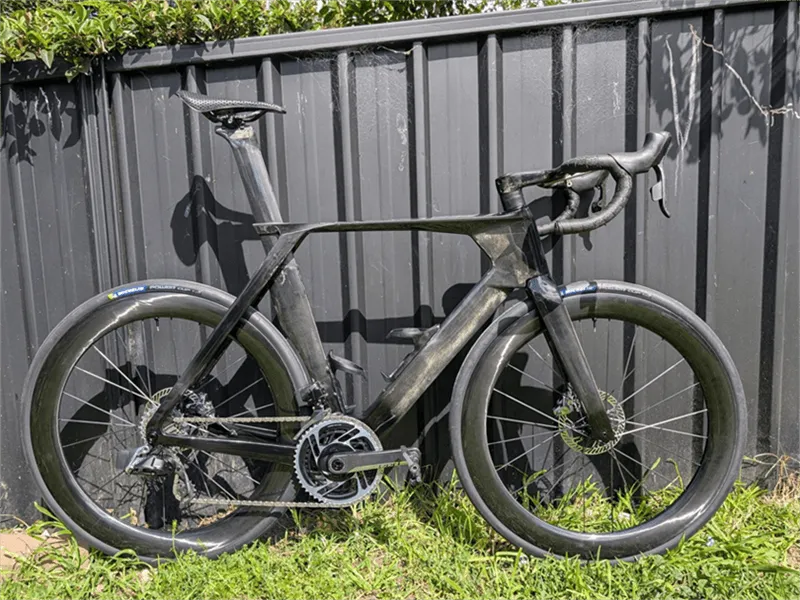
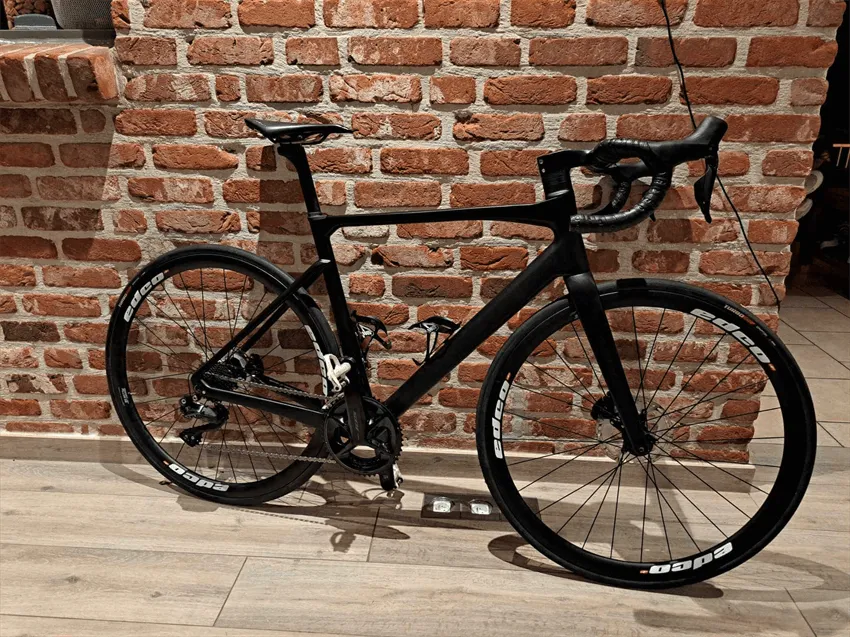
The soul of a road bike lies in its frame. A high-quality carbon road bike frame typically weighs only around 1000 grams, while a comparable aluminum frame averages 1400–1600 grams—lighter weight means easier climbing and faster acceleration.
Besides its weight advantage, carbon fiber frames are also highly favored for their superior stiffness and vibration damping—they absorb road vibrations better than metal frames on long rides or uneven surfaces, reducing wrist and back fatigue and improving comfort and endurance.
Therefore, whether you’re a hardcore road rider seeking racing performance or an endurance rider prioritizing commuting/long-distance comfort, choosing the right carbon road bike frame is crucial. This guide will comprehensively help you understand and select the road bike frames that truly suit you, covering materials, geometry, performance characteristics, and purchasing advice.

Road Bike Frame Overview
The road bike frame is the core skeleton of the entire road bike. It not only bears the rider’s weight but also determines pedaling efficiency, handling, and comfort. Whether it’s a racing bike focused on sprinting and acceleration or an endurance bike for long-distance endurance riding, a well-designed frame for a road bike is key to balancing performance and comfort. Below, we will start with basic definitions and types to explain why choosing the right road bike frame is crucial for every rider.
1: What is a Road Bike Frame?
The road bike frame refers to the main structural part of a road bike, typically including the head tube, top tube, down tube, seat tube, and chain and seatpost supports. Common types include:
- Race Road Frames: Lightweight and stiff, with a compact geometry, suitable for climbing and sprinting;
- Endurance Road Frames: Slightly more comfortable seat tube angle, better vibration absorption, suitable for long-distance riding;
- All-Round/Sport Road Frames: Balance performance and comfort, suitable for daily commuting or multi-terrain riding.
The differences in weight, stiffness, and vibration absorption among these different types of road bike frames directly affect riding efficiency and rider fatigue.
2: Why Choosing the Right Frame for a Road Bike is Important
A suitable road bike frame not only determines pedaling efficiency but also affects handling stability and long-distance comfort. For example:
- Performance Impact: Excessive stiffness may provide a quick acceleration advantage, but it can lead to fatigue on long rides;
- Comfort: Insufficient vibration absorption increases pressure on the wrists and back;
- Durability: Different materials and tube designs determine the frame’s lifespan and impact resistance.
Different uses place different demands on the frame: competitive riders prioritize lightweight and stiffness, while commuter or endurance riders value comfort and compatibility. Understanding these differences is crucial for choosing the right road bike carbon frame or frame made of other materials.
Detailed Explanation of Road Bike Frame Materials
Frame materials are a core factor affecting riding efficiency, handling, and comfort. Differences in weight, stiffness, vibration absorption, and durability among different materials directly determine the riding experience of a road bike frame. This section analyzes the characteristics of carbon fiber, aluminum alloy, titanium alloy, and steel frames, and why carbon road bike frames are the preferred choice for most riders.
1: Carbon Fiber Road Bike Frames
Carbon fiber frames are known for their lightweight and high stiffness, while also possessing excellent vibration absorption capabilities, making long-distance riding more comfortable. Through different lay-ups and tube designs, road bike carbon frames can provide precise handling during climbs and acceleration, balancing endurance and racing needs. However, they are more expensive and have limited impact resistance, making them prone to scratches or cracks, suitable for riders seeking performance and long-distance comfort.
2: Comparison of Aluminum Alloy, Titanium Alloy, and Steel Frames
Aluminum alloy frames are lightweight and rigid, suitable for short, fast rides, but experience noticeable vibrations on long journeys. Titanium alloy frames offer both comfort and durability, but are expensive. Steel frames are durable and easy to maintain, but are relatively heavy. In contrast, road bike carbon frames achieve the best balance between lightweight, rigidity, and vibration damping, making them the mainstream choice for high-performance road bikes and endurance bikes.
3: The Impact of Material Choice on the Riding Experience
Frame materials directly affect acceleration, climbing efficiency, handling precision, and riding comfot. Choosing the right road bike frames not only determines riding efficiency but also relates to long-distance endurance performance and fatigue levels. Understanding the characteristics of different materials is a key step in selecting the frame best suited to your riding style and intended use.

Frame Geometry for Road Bikes
Frame geometry is a crucial factor determining the handling, riding comfort, and efficiency of a road bike. Even with the same carbon frame material, different geometries can result in drastically different riding experiences. By understanding the role of various parameters, riders can choose the most suitable road bike frames based on their body type, riding habits, and intended use. This section analyzes key geometric parameters and their impact on handling and comfort, and explains how to match frames to different riding styles.
| Geometry Parameter | Typical Range | Impact on Handling | Impact on Comfort | Notes |
|---|---|---|---|---|
| Head Tube Angle | 71°–74° | Steeper = quicker steering, slacker = more stable | Minimal | Race bikes tend to have steeper angles, endurance bikes slacker |
| Seat Tube Angle | 72°–75° | Influences pedaling efficiency | Moderate | Steeper angle positions hips forward for power output |
| Top Tube Length | 520–580 mm | Affects reach and handling | High | Longer top tube = stretched position, shorter = upright comfort |
| Chainstay Length | 405–425 mm | Shorter = more responsive, longer = more stable | Moderate | Impacts acceleration, climbing and rear wh |
1: Geometric Parameters and Their Functions
Key geometric parameters include:
- Head Tube Angle: Affects directional stability and handling sensitivity; a steeper angle results in faster steering.
- Seat Tube Angle: Determines pedaling posture and hip power output efficiency.
- Top Tube Length: Affects rider extension posture and riding comfort.
- Chainstay Length: Related to rear wheel stability and acceleration response.
These parameters collectively determine a road bike frame’s handling, acceleration responsiveness, and long-distance comfort, making them core indicators to consider when choosing a frame.
2: Different Riding Styles and Geometry Matching
Racing (Race/Aero Road Frames): Compact geometry, pronounced forward lean, improving aerodynamic efficiency and climbing speed;
Endurance (Endurance Road Frames): Slightly shorter top tube, higher head tube, providing a comfortable riding position and better shock absorption, suitable for long-distance riding;
Commuting/All-Round (All-Round/Sport Frames): Balanced geometry, balancing handling, comfort, and stability, suitable for daily commuting or mixed road conditions.
Additionally, when choosing road bike frames, personal body type, arm length, and leg length should also be considered to ensure a natural riding posture and avoid back, shoulder, or knee fatigue during long rides.
Road Bike Frame Performance Analysis
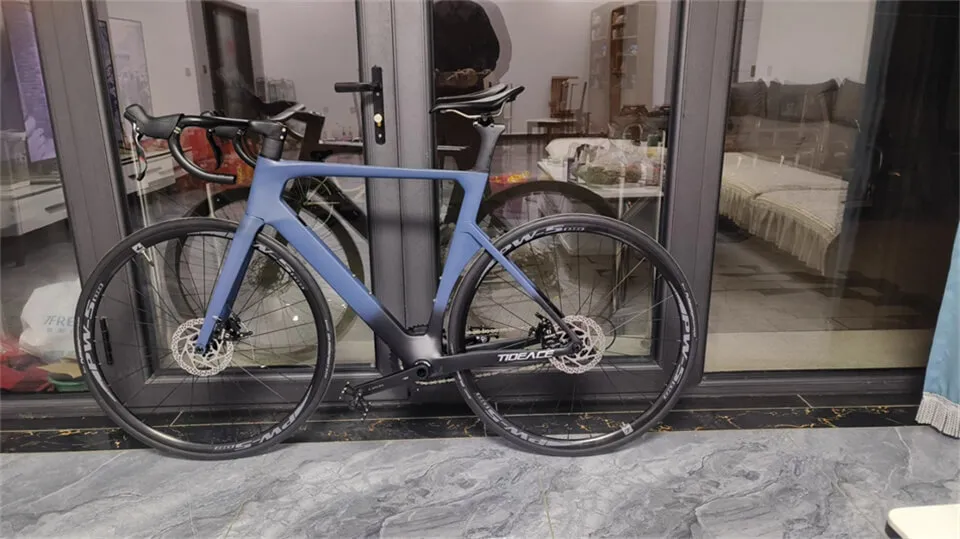
Frame performance determines riding efficiency, handling, and long-distance comfort. Even among lightweight road bikes, different materials and designs of road bike frames can provide drastically different experiences. Understanding the balance between lightweight, stiffness, vibration absorption, and durability is a core consideration when choosing carbon road bike frames. This section will analyze performance differences and actual riding experiences using other materials such as aluminum alloy, titanium alloy, and steel frames.
1: Lightweight vs. Stiffness
Carbon fiber frames achieve the best balance between lightweight and stiffness, offering superior climbing and acceleration performance compared to most aluminum alloy frames. In comparison:
Aluminum alloy road bike frames are slightly heavier and stiffer, directly transmitting road vibrations, leading to fatigue on long rides;
Titanium alloy frames balance comfort and stiffness but are more expensive and moderately heavy;
Steel frames are heavier but durable and easy to maintain, suitable for long-distance endurance or commuting.
When choosing carbon road bike frames, you should find the optimal balance between lightweight and stiffness based on your riding style (racing, endurance, commuting) to achieve a balance between handling and comfort.
2: Vibration Absorption and Comfort
The fiber layup and tubing design of carbon road bike frames make them significantly superior to aluminum and steel frames in suppressing longitudinal vibrations. Aluminum frames put a lot of pressure on the wrists and back during long rides, while titanium alloys offer good comfort but slightly slower acceleration feedback. In contrast, carbon fiber frames reduce fatigue during long rides while maintaining pedaling efficiency, making them the preferred choice for endurance and long-distance riders.
3: Durability and Maintenance Recommendations
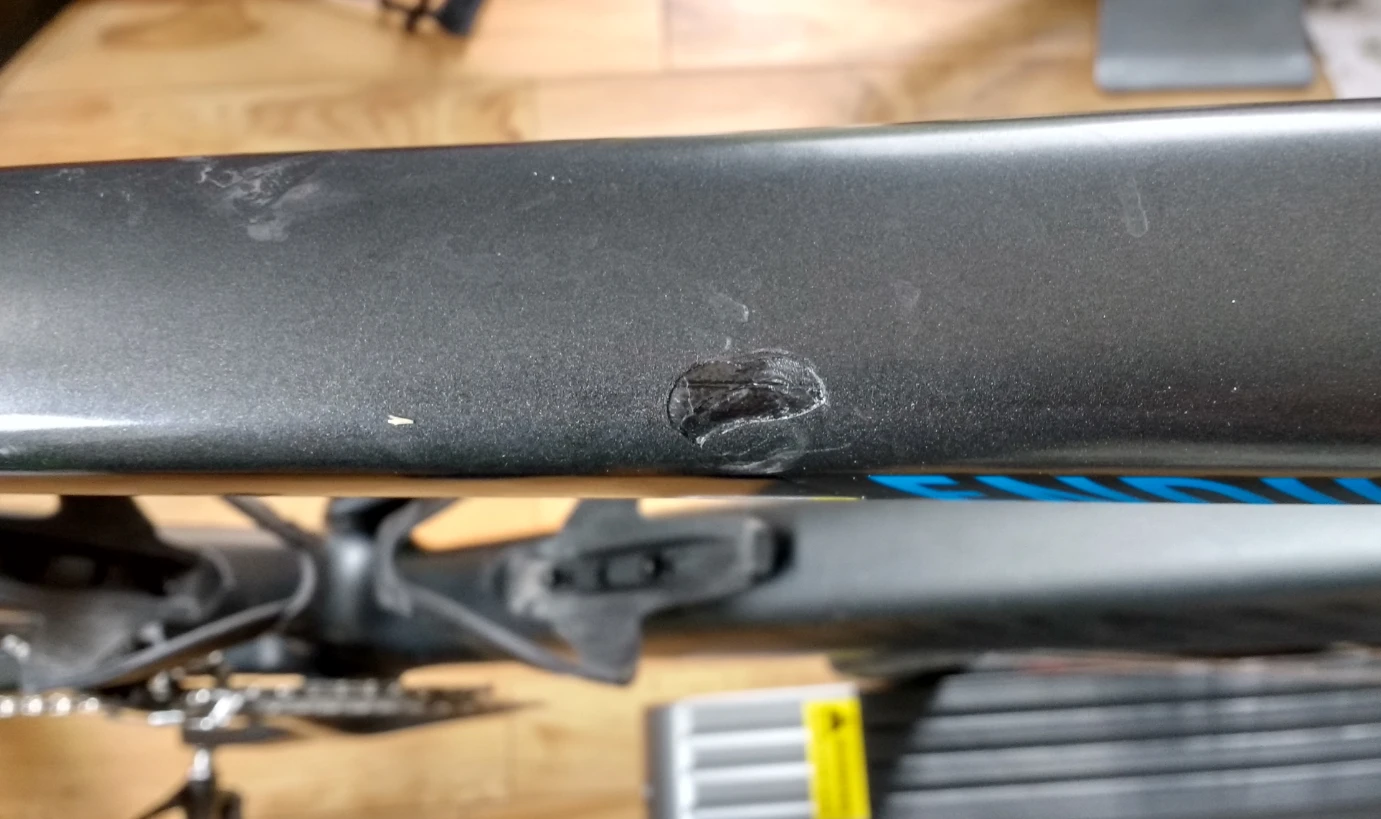
While carbon fiber is lightweight and efficient, its impact resistance is lower than that of steel and titanium alloys. Avoid sharp impacts or excessive twisting during use, and regularly inspect the head tube, downtube, and chain support area. Routine maintenance includes cleaning, tightening screws, and applying a protective agent to ensure the long-term performance and safety of the road bike carbon frame. In contrast, steel and titanium alloy frames require less maintenance, but their weight and stiffness affect riding efficiency.

Road Bike Frame Buying Guide
Choosing the right road bike frame is crucial for ensuring riding efficiency, comfort, and safety. Different materials, geometries, and budgets directly impact pedaling experience and handling. This section provides a practical buying guide based on materials, geometry, price, and riding needs, helping you choose the most suitable road bike frames while avoiding common pitfalls.
1: How to Choose the Right Road Bike Frame
Consider the following when choosing a frame:
- Materials: Carbon road bike frames offer lightweight and vibration damping advantages; aluminum frames offer good value; titanium frames balance comfort and durability.
- Geometry: Different geometries affect riding posture, handling, and long-distance comfort.
- Budget: High-end carbon fiber frames are expensive, but their performance and endurance are significantly better than lower-end aluminum frames.
- Riding Needs: Whether racing, endurance, commuting, or a mixed purpose, choose a road bike frame that matches your riding style.
2: Key Considerations for Purchasing a Carbon Fiber Bike Frame
When purchasing a carbon road bike frame, pay attention to the following:
- Brand and Craftsmanship: High-quality frames usually have clear lay-up specifications and weight indicators;
- Structural Integrity: Check the head tube, downtube, seat tube, and chain support area for cracks or defects;
- Performance Matching: Choose a balance of stiffness and compliance that suits your riding style;
- Avoid Inferior Products: Low-priced carbon fiber frames may use low-grade fibers or have poor workmanship, affecting lifespan and safety.
3: Size and Adjustment
The correct frame size directly affects riding posture, comfort, and efficiency, and our Road Bike Frame Size Chart Guide: From Brands to Geometry Differences helps you understand how to choose the right fit:
- Measurement Method: Select the top tube length and seat tube angle based on height, inner thigh length, arm length, and shoulder width;
- Ride Posture Optimization: Adjust the seatpost height, fork, and stem length to ensure natural pedaling and relaxed shoulders and back;
- Fine-tuning Suggestions: Fine-tuning can be made according to the needs of long-distance riding or competition to improve handling precision and comfort.
Future Trends in Road Bike Frames
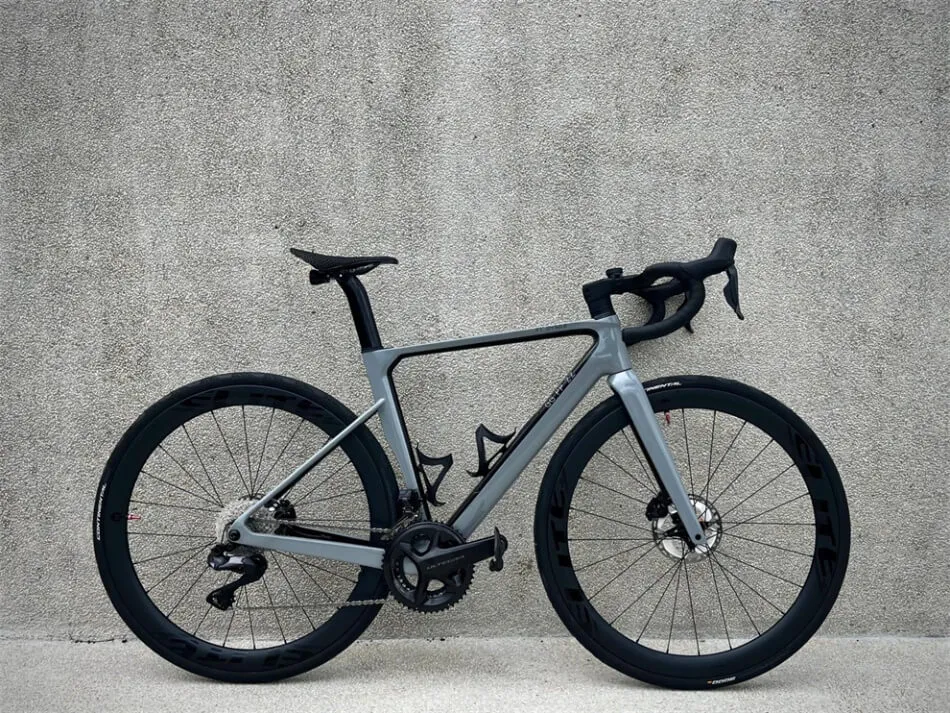
With advancements in materials science and design concepts, road bike frames are rapidly evolving towards lighter weight, improved aerodynamics, versatility across various terrains, and greater integration. The following two recent flagship frames, showcasing new technologies and concepts, clearly reflect this trend—providing a compelling case study for the “Future Outlook” section of this guide.
1: Carbon Fiber Technology Development & Aerodynamics—The Canyon Aeroad CFR as an Example
Canyon’s latest 4th-generation Aeroad CFR, released in 2024, is officially touted as “the fastest bike in the pro peloton.”
The new Aeroad features a redesigned carbon fiber lay-up and tubing, resulting in significantly improved aerodynamics—wind tunnel testing shows the 2024 Aeroad reduces drag by approximately 2.5 watts (at 45 km/h) compared to its predecessor, giving it an edge over its main competitors.
Meanwhile, the bike strikes a balance between lightweight design, aerodynamics, and practicality (greater tire clearance, greater versatility): the new Aeroad supports approximately 32mm of tire clearance, making it suitable not only for traditional roads but also better suited for wider tires and varied road conditions.
This reflects a key trend in future road bike carbon frames—aerodynamics + multi-terrain/all-road compatibility + lightweight carbon fiber + integrated design.
Therefore, if you are a frame manufacturer/content creator, you have every reason to include “balancing aerodynamics with wide tire compatibility/versatility” in your discussions of future trends.
2: Extreme Aerodynamic Optimization — Colnago Y1Rs as an Example
Another prime example is Colnago’s Y1Rs, a “radical aero road bike” officially launched in 2024–2025, representing the forefront of current aerodynamics and structural design.
Colnago has thoroughly optimized the Y1Rs’ overall shape using advanced CFD simulations (Computational Fluid Dynamics), resulting in significantly lower drag than the original V4Rs and even competing aero frames within a 0–15° yaw angle range at 50 km/h—saving up to 20 watts or more in power consumption, according to signal drag reduction.
Simultaneously, the Y1Rs maintains high rigidity (sprint stiffness +3.5%), ensuring unaffected power transfer efficiency during sprints and climbs.
While the frame is slightly heavier than the lightest racing frame (raw frame ~965g + fork ~450g), Colnago’s design philosophy prioritizes aerodynamics and efficiency—without pursuing extreme lightweighting—to cater to the future trend of “high-speed/long-distance/multi-scenario mixed use.”
These characteristics of the Y1Rs demonstrate that the future trend for road bike frames is not just about being lighter and stiffer, but a more systematic approach combining “aerodynamics + power efficiency + versatility + high stiffness/stiffness-compliance balance”—a valuable reference point for you as a carbon fiber frame manufacturer.

Conclusion & Expert Tips
Choosing the right road bike frame is a core decision for improving riding performance and comfort. Through a systematic analysis of materials, geometry, performance optimization, and future trends, riders can scientifically evaluate the overall performance of different frames. This section summarizes key principles and provides professional advice from an engineer’s perspective to help riders make the optimal choice between carbon road bike frames and frames made of other materials.
1: Key Principles for Choosing a Road Bike Frame
Purpose Matching: Choose geometry and materials based on riding type. For example, endurance bike frames provide long-distance comfort, while race/aero frames optimize aerodynamics and acceleration response.
Material Evaluation: Carbon fiber is lightweight, highly rigid, and has good vibration damping; aluminum alloy has high rigidity but limited comfort; titanium alloy balances comfort and durability; steel frames are durable and easy to maintain.
Geometry Optimization: Head tube angle, seat tube angle, top tube length, and chain spacing directly affect handling, pedaling efficiency, and body load. They should be precisely matched to body type and riding posture.
Performance Balance: Lightweight, stiffness, vibration absorption, and durability require comprehensive consideration to avoid single-minded optimization that could negatively impact the overall riding experience.
2: Make the Final Choice Based on Personal Needs and Professional Advice
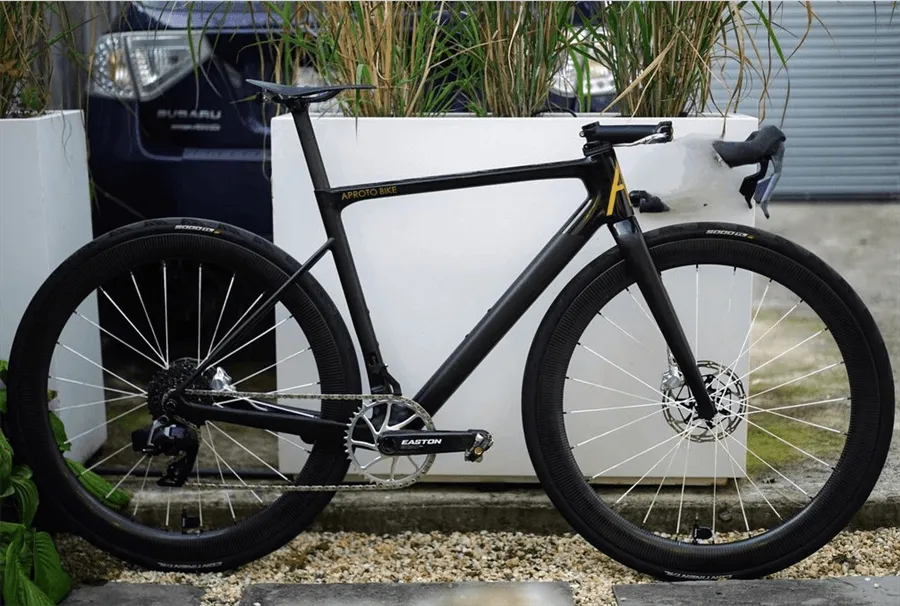
When choosing road bike frames, consider your body type, riding habits, riding style, and budget. Evaluate pedaling efficiency, acceleration response, vibration damping, and long-distance comfort. Endurance riders prioritize comfort, while racing riders prioritize stiffness and aerodynamics. Understanding the impact of materials, geometry, and layup technology on performance is a prerequisite for making an accurate choice.
3: Contact Professional Manufacturers for Customized Frame Advice
Riders seeking ultimate performance or with specific needs should contact professional carbon fiber frame manufacturers directly. Manufacturers can provide customized road bike carbon frames based on riding posture, body type, pedaling style, and intended use. This includes tubing optimization, fiber layup design, geometry adjustments, and tire compatibility optimization to achieve the best balance of lightweight, stiffness, and vibration damping, ensuring an efficient, comfortable, and safe riding experience.