Full-suspension mountain bikes are undergoing a significant upgrade, resulting in a smoother and more controllable riding experience. Understanding montain bike MTB frame helps enthusiasts appreciate how modern suspension design, carbon fiber construction, and advanced linkage systems improve ride quality, making full-suspension bikes suitable for everything from technical trails to gravel and urban rides.
Data shows that search interest in full-suspension mountain bikes reached a new high in 2025, indicating a continued rise in rider interest in multi-purpose, high-performance MTBs (accio.com). Meanwhile, industry reports also indicate increasing aftermarket upgrade demand for mountain bikes with full suspension, with manufacturers and riders focusing on lightweight, adjustable, and intelligent suspension systems (industryresearch.biz).
The current full suspension MTB, with its more advanced suspension technology, allows riders to have a smoother, more comfortable, and more efficient experience on technical trails, rocky descents, and even weekend leisure rides.
The Impact of the New Suspension Design on Full Suspension Mountain Bikes
The suspension system of full suspension mountain bikes is no longer just a cushioning tool. With upgrades in materials, shock absorber structure, and tuning technology, the new generation of full suspension mountain bikes can handle rugged mountain roads while improving comfort and efficiency on long rides. The following analysis examines the actual impact of these changes on riders from three aspects: construction, technological advancements, and riding experience.
1: What are Full Suspension Mountain Bikes?
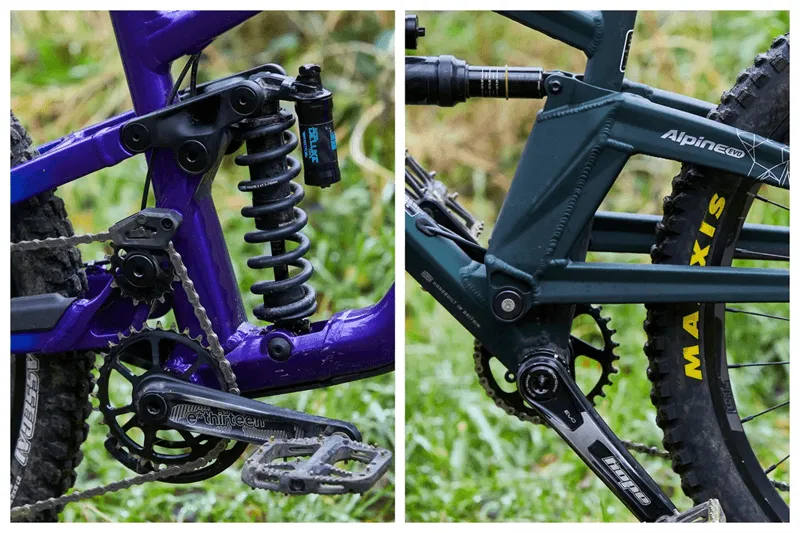
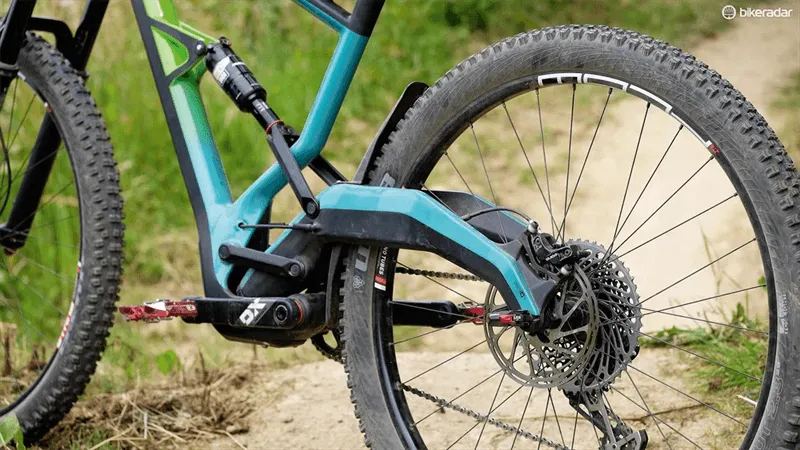
The core feature of full suspension mountain bikes (dual-suspension MTB) is that both the front fork and rear shock absorb ground impacts. Compared to hardtail mountain bikes, it provides more stable control and grip on complex terrains such as rocky descents and technical trails. The rear shock is connected to the carbon fiber or aluminum frame via linkages or a pivot system, and adjustable travel allows riders to fine-tune performance according to terrain and riding style, reducing fatigue caused by bumps.
2: Latest Advances in Suspension Technology
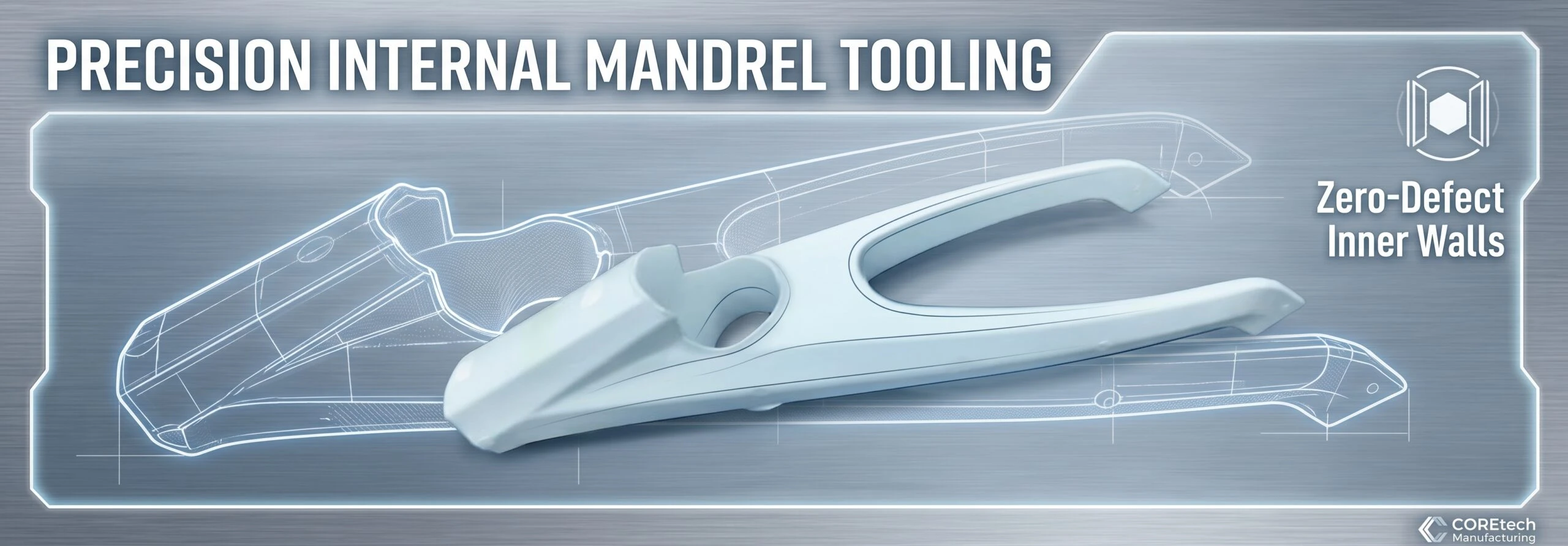
Modern full-suspension mountain bikes have upgraded their suspension technology from coil springs and basic air-shock to carbon linkages, adjustable damping, and lock-out functionality, catering to both downhill and cross-country needs. Single rear shocks are commonly used on short-travel XC bikes, while dual-suspension systems are standard on enduro and downhill mountain bikes. Combined with lightweight carbon fiber frames, this not only reduces overall bike weight but also improves climbing efficiency and handling precision, allowing full-suspension mountain bikes to maintain stability and comfort across various terrains.
3: New Design Trends for Suspension Bikes in 2025–2026 and Their Improvement to the Riding Experience
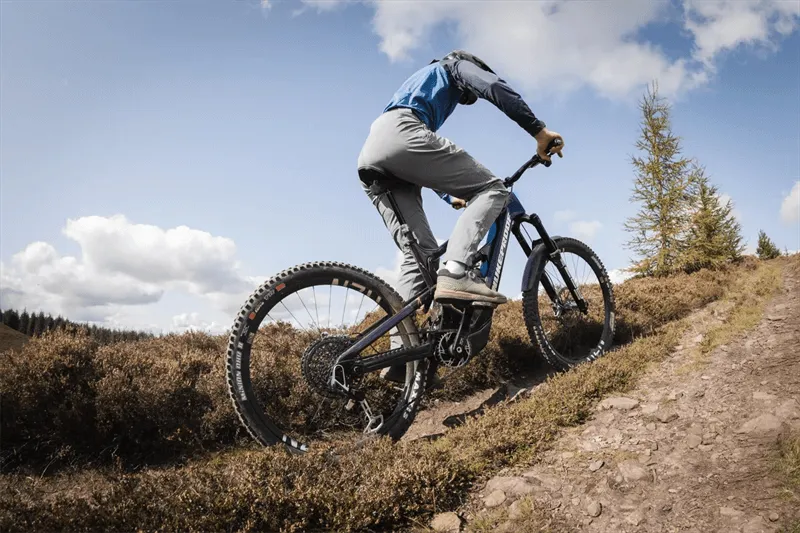
With the release of new full-suspension mountain bikes in 2025 and 2026, suspension design is trending towards greater intelligence, adjustability, and lightweighting. Air-shock, progressive linkage, precise rebound/compression adjustment, and frame-integrated damping systems have become mainstream. These technologies enhance handling and grip, allowing riders to maintain wheel contact and bike stability on rocky trails, rooty sections, and urban trails.
For long-distance riding, the new generation of full-suspension mountain bikes reduces arm and back fatigue, allowing riders to remain efficient on endurance rides or multi-day trail adventures. At the same time, these designs also provide more room for aftermarket upgrades, such as dropper post, coil-to-air conversion, or advanced shock tuning, allowing the frame performance to better suit individual needs.
Trends and Future Directions of Full Suspension Mountain Bikes
As the demand for all-terrain riding continues to increase, the design trends of full suspension mountain bikes are also rapidly evolving. From the preferences of off-road riders to popular models on the market, and the application of intelligent adjustable suspension systems, the new generation of full suspension mountain bikes not only emphasizes handling and grip, but also focuses more on riding comfort and personalized tuning. The following analyzes these trends and their actual impact on riders from three aspects.
1: Changing Demands of Off-Road Riders for Full Suspension Mountain Bikes
More and more riders are no longer limiting their demand for full suspension mountain bikes to downhill or extreme racing, but are opting for multi-purpose models adaptable to different terrains. Off-road trails, enduro, gravel, and long-distance expeditions all require mountain bikes with full suspension to provide greater stability, grip, and comfort. Riders want suspension systems that can handle technical sections, reduce arm and back fatigue during long rides, while also being lightweight and climbing efficient.
2: Popular Mountain Bike Full Suspension Models
Short-travel full suspension mountain bikes frame remain the preferred choice for XC and lightweight riders, emphasizing climbing efficiency and acceleration response; long-travel models perform better on enduro and downhill tracks, offering excellent shock absorption. Modern mountain bike full suspension frame designs are versatile, with models available for rocky descents, endurance trails, and urban trails, catering to different rider needs.
3: The Development of Adjustable Suspension and Intelligent Damper Technology
The new generation of full suspension MTBs emphasizes adjustable and intelligent damping systems. Air springs are lightweight and easily adjustable, suitable for cross-terrain riding, while coil springs offer greater stability and durability on downhill or heavy loads. Electronically controlled suspension systems (e-suspension) are entering the market, allowing riders to adjust parameters such as rebound, compression, and lock-out via an app or handlebar for real-time tuning, improving handling and ride feel. Combined with dropper post, progressive linkage, and a carbon frame, modern mountain bikes with full suspension have reached new heights in grip, comfort, and personalized adjustment.
How to Choose the Right Mountain Bike Full Suspension
Choosing the right mountain bike with full suspension isn’t just about price or appearance. As we break down avoid these 7 common full suspension bike frame buying mistakes, it becomes clear that different riding scenarios, frame materials, and rider weight all directly affect the handling, comfort, and overall suspension performance of a full suspension MTB. Below, we analyze selection strategies from three key aspects: riding needs, frame material and suspension matching, and load considerations.
1: Consider Riding Scenarios and Needs
Different types of full suspension mountain bikes are suitable for different scenarios: short-travel XC or trail bikes are better suited for fast off-road riding and racing; long-travel enduro or downhill MTBs can handle technical descents and rocky terrain; while recreational riding or weekend cruisers prioritize comfort and stability. Understanding your riding scenario can help riders make the most appropriate choices in suspension travel, shock type, and frame geometry.
2: Frame Material and Suspension Matching
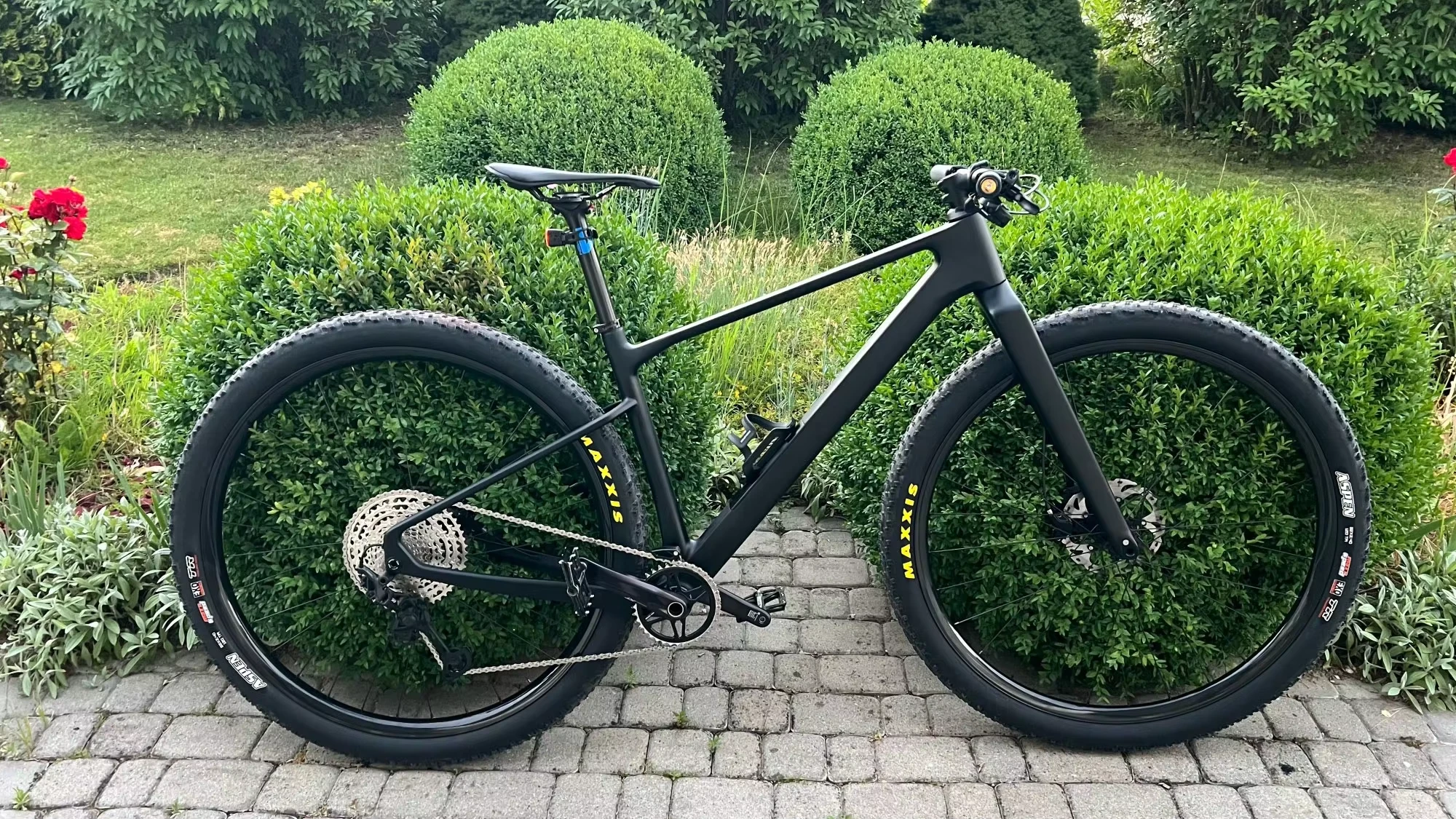
Carbon fiber full suspension mountain bikes are known for their lightweight and high strength, suitable for riders who require climbing efficiency and agile handling; aluminum alloy frames are more durable and less expensive, suitable for entry-level riders or those who frequently transport/carry their bikes. Different materials require different matching of the suspension system (air-shock, coil-shock) and linkage design; a proper match is essential to fully utilize suspension travel and damping performance.
3: The Impact of Rider Weight and Load on Suspension Selection
Rider weight and gear are crucial to the tuning of a full suspension MTB. Excessive weight or overloading can cause the air-shock to drop too quickly, affecting handling and grip; too light a ride can result in a stiff suspension feel, sacrificing comfort. Modern full suspension mountain bikes typically offer adjustable sag, rebound, and compression functions. Combined with appropriate spring rate or air pressure, this allows for a more balanced riding experience, balancing performance on long-distance trails and technical descents.
Maintenance and Care of Mountain Bikes with Full Suspension
While full suspension mountain bikes enhance handling and comfort, they also require regular maintenance to maintain optimal performance. Neglecting maintenance of the suspension system, carbon fiber frame, and various adjustable components can lead to decreased handling or shortened lifespan. Below, we provide professional advice for riders on both suspension system and overall bike maintenance to ensure your mountain bike’s full suspension is always in top condition.
1: Regular Inspection and Maintenance of the Suspension System
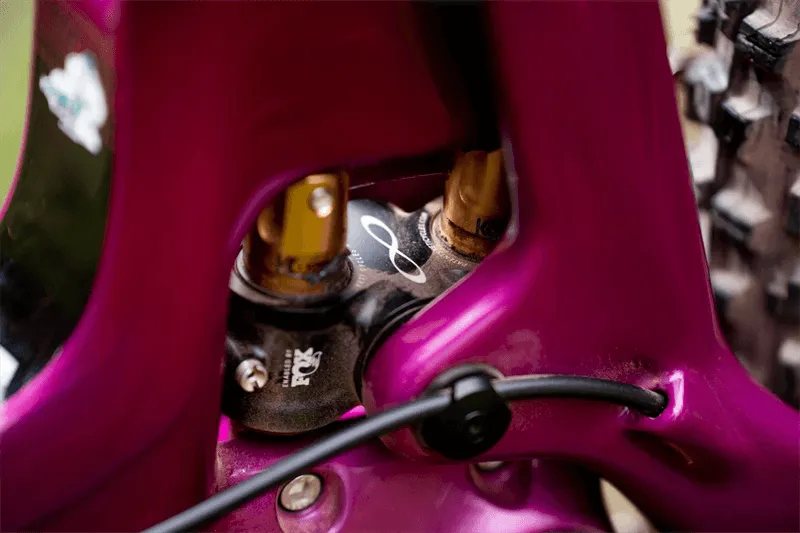
For full suspension MTBs, the air-shock, coil spring, and linkage systems are crucial for performance. Regularly checking the suspension lubrication, seals, and air pressure can prevent abnormal rebound or compression, maintaining precise handling. For enduro or downhill bikes, a full system check is recommended after every 50–100 hours of riding, including cleaning pivot points and adjusting lock-out and sag settings. Professional advice also includes using high-quality shock oil and regularly replacing worn bushings to extend the stability and lifespan of your full-suspension mountain bikes.
2: How to Extend the Lifespan of Full-Suspension Mountain Bikes
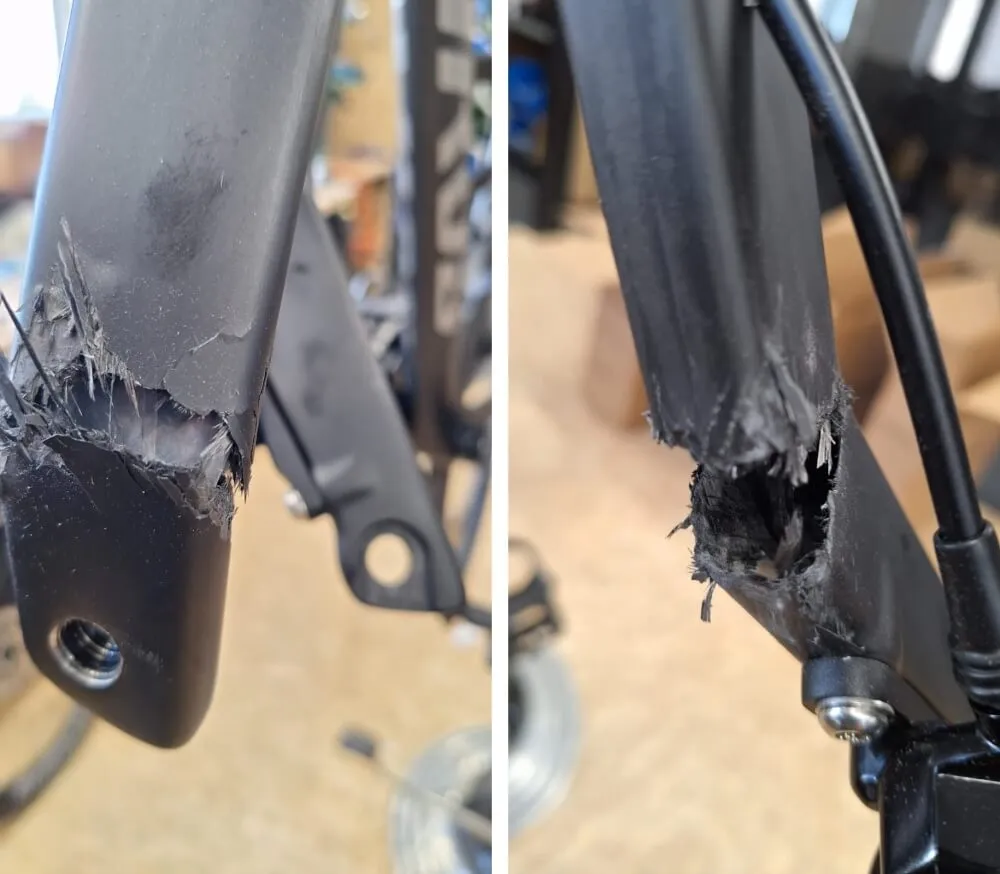
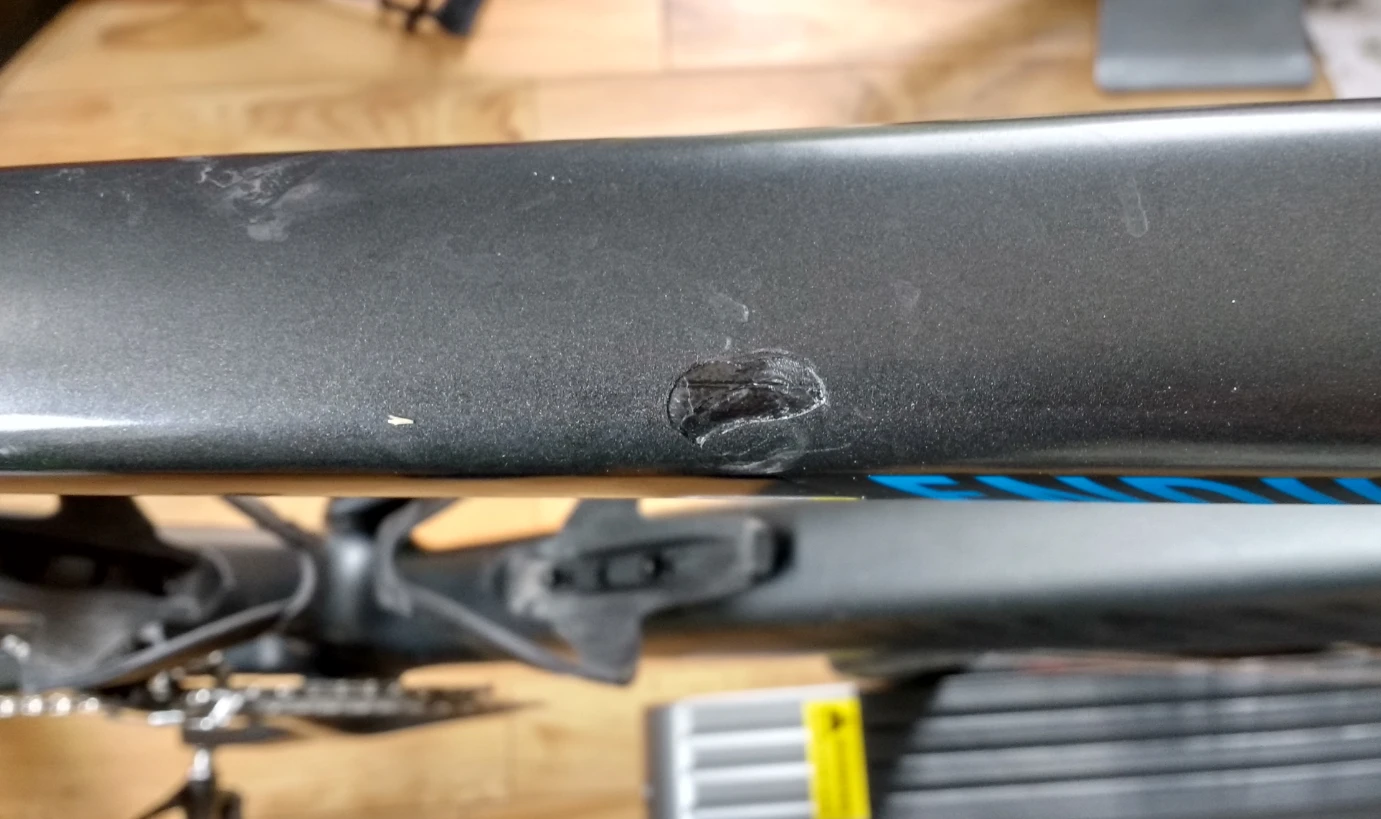
Full-suspension mountain bikes with carbon fiber frames are sensitive to shock and wear. Cleaning away mud and gravel promptly after riding, especially in the chainstay, rear triangle, and linkage areas, can prevent corrosion and scratches. Avoid prolonged exposure to strong sunlight or humid conditions, and regularly check the tightness of bolts and the smooth operation of the dropper post. Properly lubricating the pivot, bushings, and rear shock air can significantly extend the lifespan of your full-suspension mountain bike while ensuring a smooth experience for your next ride.
The Future and Recommendations for Full Suspension Mountain Bikes
As suspension technology in full suspension mountain bikes continues to evolve, riders’ demands for handling, comfort, and multi-terrain adaptability are increasing. From shock absorber design and carbon fiber frames to intelligent adjustment systems, the new generation of mountain bike full suspension is balancing performance, durability, and personalization. Below is a summary of the latest technological advantages, future trends, and selection recommendations for different riders.
1: Advantages of the Latest Suspension Technology for Riders
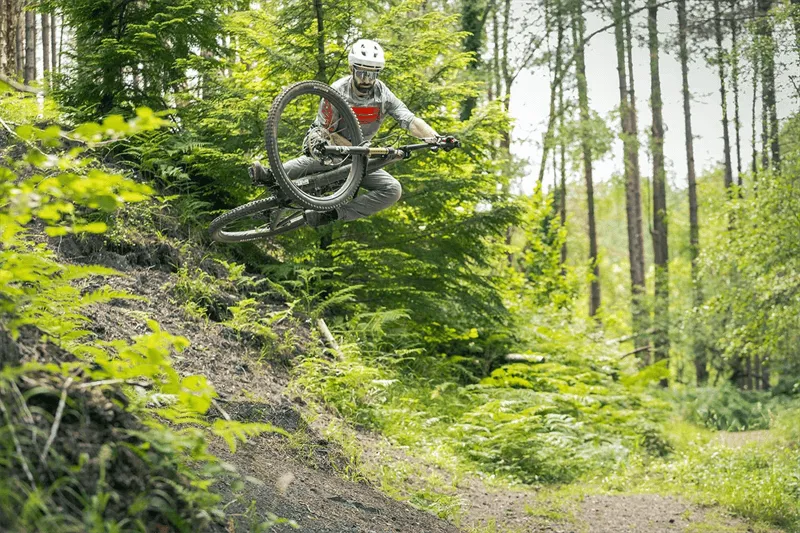
The new suspension technology, through air-shock, progressive linkage, precise rebound/compression adjustment, and lock-out functionality, allows the full suspension MTB to maintain stable grip on rocky trails, technical descents, or urban trails. On long or multi-day rides, the new mountain bike full suspension reduces arm and back fatigue, improving endurance and overall efficiency. Simultaneously, the combination of a lightweight carbon frame and a high-performance pivot system allows riders to easily climb hills while maintaining precise handling on downhill or jump sections.
2: Future Trends: Lightweight, Intelligent, Personalized
The future trends for full-suspension mountain bikes are evident:
- Lightweight: Carbon fiber frames, optimized linkage, and weight-reduced air-shock systems make climbing and acceleration easier;
- Intelligent: Electronic suspension adjustment, electronic lock-out, and programmable damping systems improve terrain adaptability;
- Personalized: Adjustable travel, dropper post height, and custom frame geometry cater to different riding styles and body types.
These trends not only enhance the riding experience but also drive aftermarket upgrades, such as advanced shock tuning, coil-to-air conversion, and custom pivot settings.

2: Recommended Types of Full Suspension Mountain Bikes for Different Riders
Choosing the right full suspension mountain bike is crucial based on your riding scenario and needs:
| Rider Type | Suspension Travel | Frame Type | Key Features | Ideal Terrain |
|---|---|---|---|---|
| Cross‑Country / XC | Short (100–120mm) | Carbon | Lightweight, efficient climbing | XC trails, long endurance rides |
| Enduro / Trail | Medium (140–160mm) | Carbon/Aluminum | Progressive linkage, balanced climbing & descending | Technical trails, mixed terrain |
| Downhill / Freeride | Long (170–200mm) | Sturdy Carbon/Aluminum | Dual‑shock, high stability | Steep descents, jumps, rocky trails |
| Casual / All‑Round | Medium (120–150mm) | Carbon/Aluminum | Comfortable, versatile, moderate weight | Gravel trails, urban trails, weekend adventures |
Choosing the right full suspension mountain bike not only improves performance but also extends riding enjoyment and the bike’s lifespan, while also facilitating future upgrades and customization. For personalized advice or to discuss the best options for your riding style, feel free to contact us directly.