Hardtail (MTB) carbon fiber frames are becoming a favorite among off-road riders—offering explosive power through lightweight design and high rigidity, while avoiding the complexity and vulnerability of full-suspension systems. As a typical example of hardtail mountain bike frames, carbon hardtail frames transfer power more efficiently when climbing, and on technical sections, they achieve vibration damping through carefully designed lay-ups. Industry research indicates that hardtail mountain bikes account for approximately 40–50% of global mountain bike sales.
From a materials perspective, carbon fiber has a higher rigidity-to-weight ratio than aluminum alloy and inherent damping properties, resulting in smoother filtering of trail bumps during riding.
However, lightweight doesn’t mean without drawbacks: ultralight carbon frames can easily transmit road vibrations to the arms and back under high-frequency vibrations.
As a manufacturer with extensive experience in designing and manufacturing carbon fiber hardtail frames (MTB hardtail frames), we understand that fine-tuning the frame geometry, carbon fiber layup, and wheel diameter (e.g., 27.5 or 29er hardtail frames) is crucial to the riding experience. This guide will delve into these core elements to help you choose the perfect frame hardtail for you.
What is a Hardtail Mountain Bike Frame (MTB Frame)
A hardtail mountain bike frame is one of the most classic frame types in off-road riding, known for its simplicity, lightweight design, and direct riding response. Whether for short trail rides or long XC rides, hardtail frames offer efficient power delivery and precise handling. Below, we’ll delve into the core value of hardtail frames from their definition, design features, and material advantages.
1: Definition and Features of Hardtail Frames
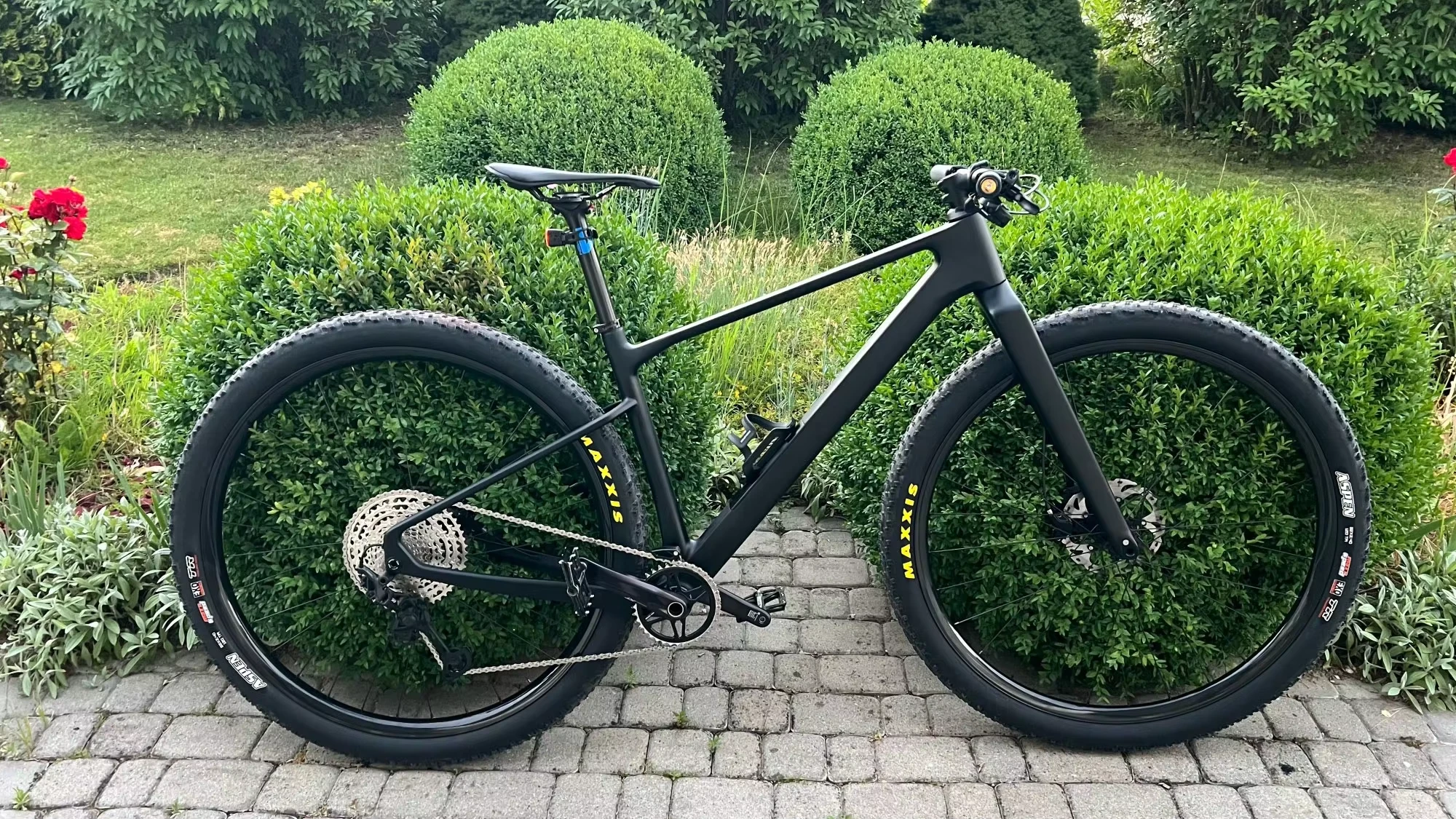
A hardtail frame (MTB frame) refers to a mountain bike frame design without a rear suspension system. This design means the rider feels direct feedback with every pedal stroke. The frame is typically 1–2 kg lighter than a full suspension frame, resulting in more direct handling. Hardtail frames are usually used in conjunction with a front suspension fork and are suitable for XC racing, trail riding, or uphill training. In the European and American markets, riders often refer to this type of frame as a “single-pivot trail bike” or “XC race frame,” emphasizing lightweight design and efficient drivetrain. For riders seeking explosive power and quick riding response, a hardtail is a cost-effective option.
2: Advantages of Carbon Hardtail Frames
Carbon hardtail frames utilize advanced carbon layup technology to provide exceptional stiffness while maintaining lightweight construction. Compared to aluminum frames, carbon hardtails offer more direct power delivery during climbs, a more “lively” riding feel, and significantly reduced arm and shoulder fatigue. High stiffness translates to faster acceleration and more precise cornering, while retaining some vibration damping for greater comfort on long rides. In the European and American trail bike community, riders often describe the characteristics of this carbon hardtail frame as “stiff yet compliant” and frequently pay attention to the geometric differences between 27.5 hardtail frames and 29er hardtail frames to match different road conditions and riding styles.
Main Categories of Hardtail Mountain Bike Frames
Hardtail mountain bike frames are not a single design, but rather fall into several categories based on riding style, terrain preference, and wheel diameter. Understanding these categories helps riders quickly match their riding needs, whether for short mountain trail practice, cross-country adventures, or long-distance races. Below is a detailed analysis from two dimensions: riding type and wheel diameter.
1: Classification by Riding Type
| Type of Hardtail MTB Frame | Target Rider | Recommended Use | Typical Fork Travel | Notes / Industry Terms |
|---|---|---|---|---|
| XC / Race Frame | Competitive riders | XC racing, climbing-focused trails | 100mm | Lightweight, high stiffness, “race-ready hardtail” |
| Trail / All-Mountain Hardtail | Casual or weekend riders | Trail rides, moderate technical trails | 120-140mm | Comfortable, versatile, “trail hardtail” |
| Enduro / Aggressive Trail Hardtail | Advanced riders | Technical trails, downhill sections | 140-160mm | Strong, stable, “enduro hardtail” |
2: Classified by Wheel Diameter
27.5 Hardtail Frame: Smaller wheel diameter for greater agility and better handling, suitable for twisty trails and technical sections.
Balancing climbing efficiency and quick steering, it’s a popular choice for recreational motocross and short races.
29er Hardtail Frame: Larger wheel diameter for lower rolling resistance and higher off-road efficiency, suitable for long rides and high-speed climbs.
Highly stable, but slightly cumbersome to handle on technical corners or narrow trails.
Different wheel diameters of hardtail frames (MTB hardtail frames) directly impact the riding experience. Riders should consider their height, riding style, and terrain requirements when choosing a frame, while also taking into account the weight distribution and geometry of carbon hardtail frames to achieve the best handling experience.
Frame Hardtail Selection Guide
Choosing the right carbon hardtail frame not only affects riding efficiency but also directly impacts comfort and durability. Whether you’re an XC race rider focused on performance or a recreational trail rider, understanding the key aspects of materials, manufacturing processes, geometry, and daily maintenance will help you select the most suitable frame hardtail for efficient riding and long-term use.
1: Material and Manufacturing Considerations
Carbon hardtail frames rely on advanced carbon layup processes and fiber orientation design, which determine the frame’s stiffness distribution and power transfer efficiency. High-end XC race frames often use high-modulus carbon fiber to reduce weight, while trail hardtails may use medium-modulus carbon fiber to improve comfort and durability. Different manufacturing processes and layup layouts affect the frame’s elasticity, fatigue resistance, and riding feel, making them crucial indicators to consider when purchasing.
2: Geometry and Riding Experience
The geometry of a hardtail frame directly determines the handling feel. Fine-tuning the top tube length, head angle, and chainstay length affects acceleration efficiency, downhill stability, and cornering response. A 27.5 hardtail frame is advantageous for compact and agile trails, while a 29er hardtail frame offers smoother rolling and climbing efficiency. When choosing a frame, consider your height, riding style, and terrain characteristics to ensure a natural riding posture and maximized power transfer.
3: Durability and Maintenance
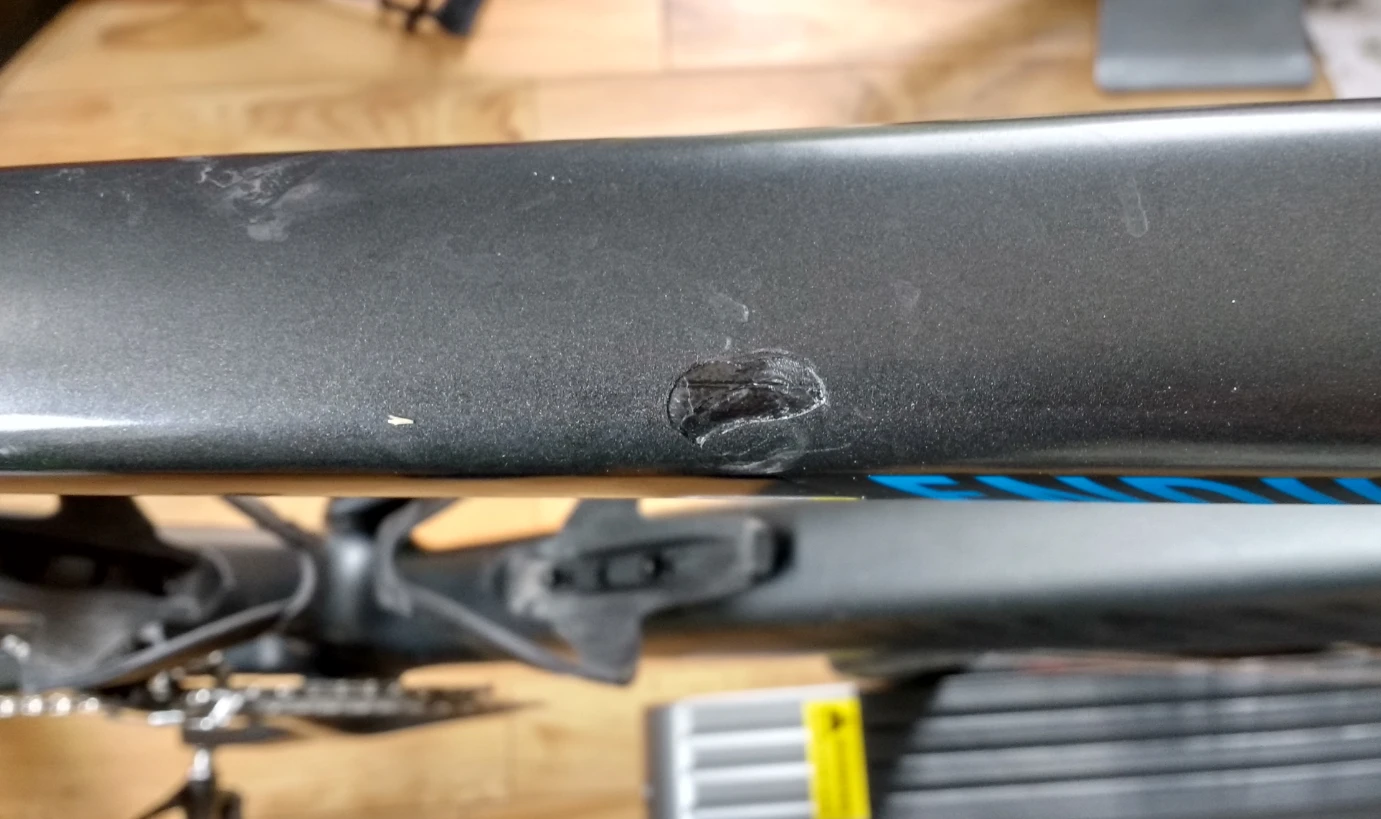
Carbon hardtail frames offer excellent strength-to-weight ratios, but prolonged exposure to high-frequency vibrations, impacts, or environmental factors can cause microcracks. Regularly inspecting frame hardtail joints, welds, and the carbon layer surface, promptly cleaning away dirt and keeping the frame dry, is crucial for extending frame life. European and American riders often use the term “stiff but durable” to describe the balance between stiffness and durability in carbon hardtails; combined with proper maintenance, this ensures stable riding over extended periods.
Who Should Choose an MTB Hardtail Frame for Different Riders
A hardtail mountain bike frame (MTB hardtail frame) isn’t a one-size-fits-all solution. Depending on the rider’s skill level, riding purpose, and budget, different types of hardtail frames offer drastically different riding experiences. Understanding your needs and matching them with the right carbon or aluminum hardtail frame is key to ensuring riding comfort, efficiency, and safety. Below, we analyze suitable riders from the perspectives of riding level and cost-effectiveness.
1: Beginners and Recreational Riders
For beginner riders or weekend recreational riders, a lightweight and comfortable trail hardtail is ideal. Entry-level MTB frames typically use carbon fiber composites or aluminum alloys, ensuring sufficient rigidity while reducing riding fatigue. 27.5 hardtail frames, due to their flexibility and light handling, are also frequently used by beginners for varied trail or forest trail practice. Choosing the right frame allows beginners to easily master riding posture and climbing techniques while reducing arm and shoulder fatigue.
2: Racing/Advanced Riders
For performance-oriented racing riders or experienced riders, a high-stiffness, lightweight XC carbon hardtail frame is more suitable. High-modulus carbon fiber and optimized layup technology make acceleration and power delivery more direct. The 29er hardtail frame provides a smoother rolling feel and climbing efficiency, suitable for long-distance XC racing and technical routes. European and American riders often refer to this type of frame as a “race-ready hardtail,” emphasizing lightweight, stiffness, and responsiveness.
3: Budget and Value Considerations
Riders with limited budgets or those seeking value for money can weigh carbon hardtail frames, aluminum hardtail frames, or hybrid hardtails. Aluminum hardtails offer durability and low maintenance, while hybrid frames strike a balance between stiffness and comfort. When choosing, consider the intended use case, riding style, and upgrade potential to ensure the investment matches the riding experience, while also considering compatibility with future wheelset, suspension, and component upgrades.
Frequently Asked Questions and Common Misconceptions (FAQ)
When choosing a hardtail mountain bike frame, riders often have various questions and misunderstandings. Understanding the essence of these questions helps in correctly matching the carbon hardtail frame, wheel size, and geometry, thereby improving riding efficiency and safety. Below are analyses of some of the most common questions.
1: Are hardtail frames really suitable for all mountain biking conditions?
Hardtail MTB frames are designed to be lightweight and direct drive, but this doesn’t mean they’re suitable for every terrain. For gentle or medium-tech trails, hardtails offer efficient climbing and precise handling; however, on extreme downhill or rocky trails with large elevation changes, a full suspension frame may be safer and more comfortable. Understanding your riding routes and technical needs is key to avoiding choosing the wrong hardtail frame.
2: Can carbon fiber hardtail frames withstand extreme riding?
Carbon hardtail frames have high strength and rigidity, but excessive high-frequency vibrations, impacts, or improper use can cause microcracks or delamination. High-modulus carbon fiber XC race frames are suitable for racing or intense off-road riding, but for extreme downhill or aggressive trails, it’s still necessary to control your riding style and regularly inspect the frame hardtail surface and joints. Proper maintenance ensures long-term reliability.
3: Which is better for me, 27.5 or 29er?
Wheel diameter directly affects handling, acceleration, and rolling efficiency. A 27.5 hardtail frame is more agile and cornering-responsive, suitable for twisty trails and technical sections; a 29er hardtail frame has lower rolling resistance and higher climbing efficiency, suitable for long-distance XC rides or fast trails. When choosing, consider your height, riding style, and route characteristics, as well as the geometry and layup configuration of the carbon fiber hardtail frame to achieve the best riding experience.
Conclusion & Expert Tips
Choosing the right hardtail mountain bike frame not only affects the riding experience but also directly impacts safety and efficiency. Considering materials, wheel diameter, geometry, and riding goals, is key to selecting a carbon or aluminum hardtail frame. Properly matching a 27.5 or 29er hardtail frame with appropriate frame geometry can improve climbing efficiency, handling precision, and long-distance comfort.
Expert Advice and Customization Options
Choose materials and geometry based on riding goals:
XC race frames prioritize lightweight and rigidity, suitable for racing and high-speed climbing;
Trail hardtails focus more on comfort and versatility, suitable for recreational and technical routes.
Contact professional manufacturers for customization or testing:
High-end carbon hardtail frames can be customized in layup and geometry based on rider height, riding style, and component requirements; Regular professional testing ensures the frame hardtail remains safe and durable under high-frequency vibrations.
Focus on Product Trends and Upgrade Potential:
New-generation hardtail frames increasingly emphasize lightweight design, durability, and multi-wheel diameter compatibility. Keep an eye on 27.5/29er hybrid or adjustable geometry hardtails on the market, providing room for future upgrades.
Through scientific selection and proper maintenance, hardtail frames not only offer efficient power delivery and precise handling but also ensure a stable riding experience over the long term, making every trail ride or XC ride safer and more enjoyable.