Choosing the right mountain bike frame is more crucial than many beginners realize. Whether you’re getting into XC lightweight frames or struggling with the differences between hardtail and full suspension mountain bike frames, the correct frame structure and geometry (MTB geometry) often determines the bike’s handling, efficiency, and durability. According to riding reports from Pinkbike and the MTBR community (from the Pinkbike 2024 Tech Poll), over 63% of riders listed “frame stiffness & geometry” as the primary factor affecting trail riding.
For users seeking lightweight and responsive bikes, carbon mountain bike frames offer a higher strength-to-weight ratio; while riders who prefer stability and ease of maintenance tend to favor “workhorse”-level aluminum frames. Meanwhile, with the growth of the electric mountain bike frame market, American brands are paying more attention to motor housing space, downtube strength, and dust protection structures—a pain point for e-MTB users.
This mountain bike frame guide will help beginners avoid common pitfalls and find the right MTB frame for them more quickly, covering topics from engineering structure and material differences to geometry selection.

What is a Mountain Bike Frame? Why Does It Determine a Mountain Bike’s Performance?
The core of a mountain bike is its frame. The frame not only bears the rider’s weight but also directly affects the bike’s handling, climbing efficiency, and descent stability. A high-quality mountain bike frame is designed with frame geometry, frame stiffness, and suspension compatibility in mind, thus determining its performance on different terrains.
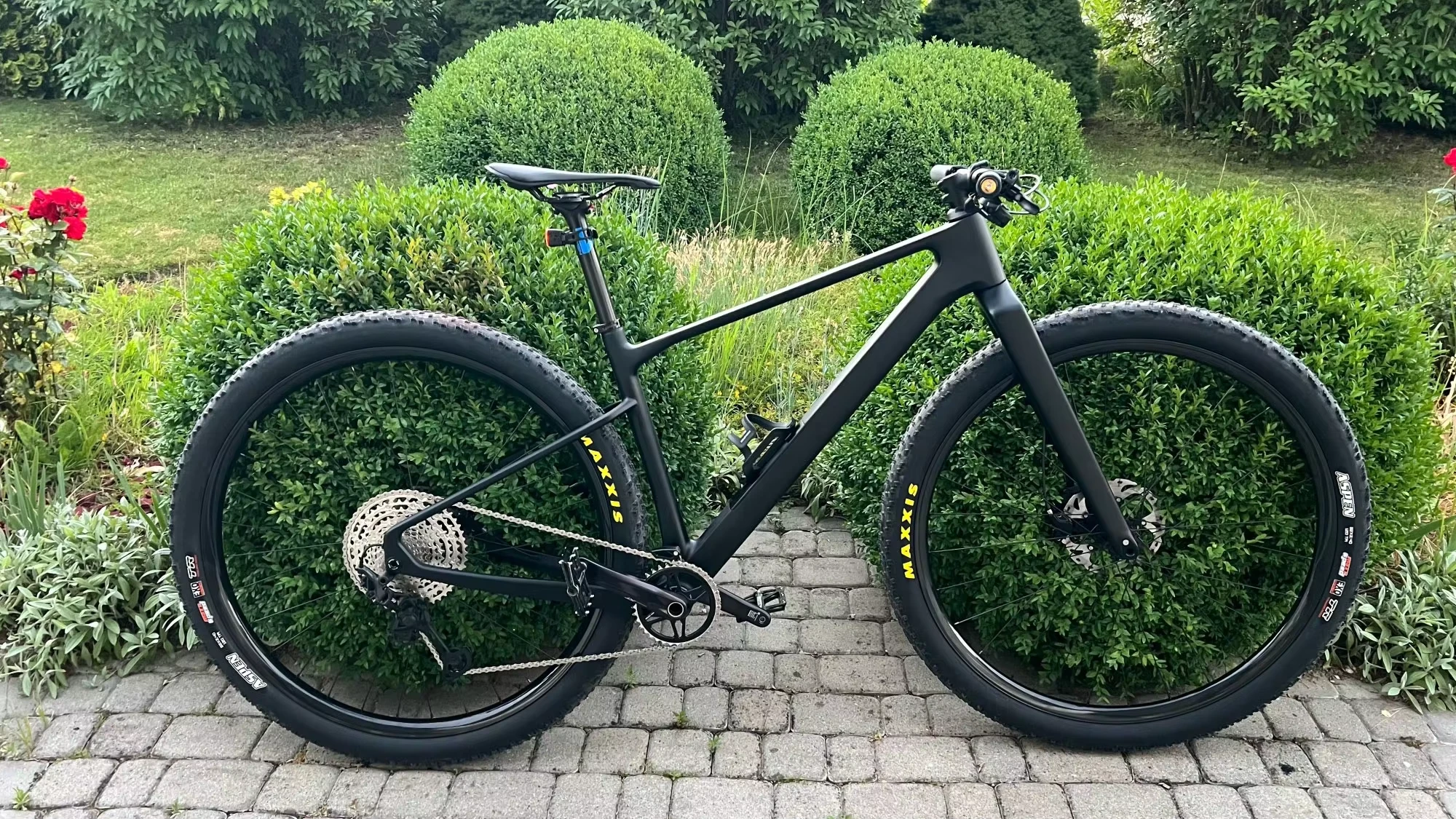
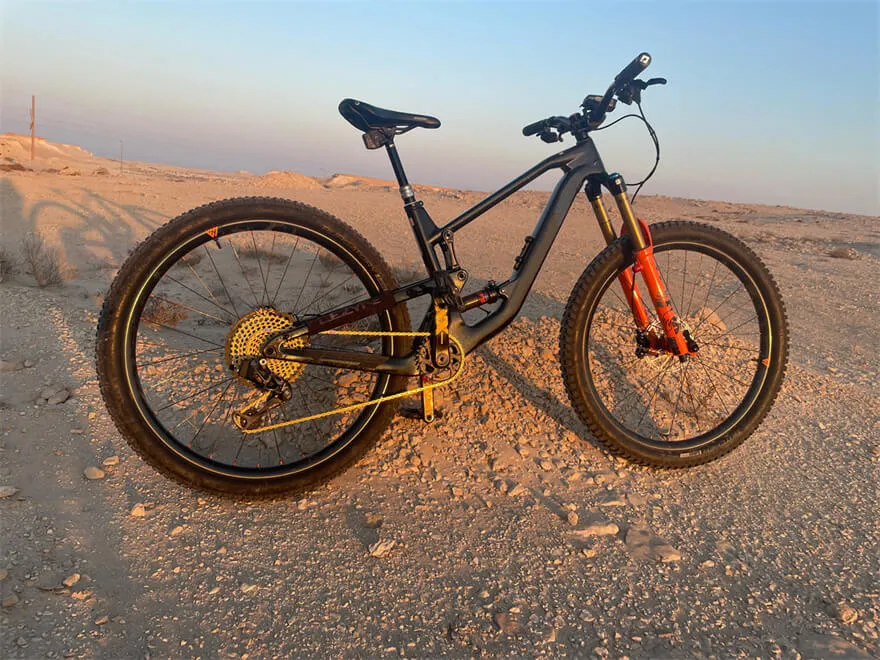
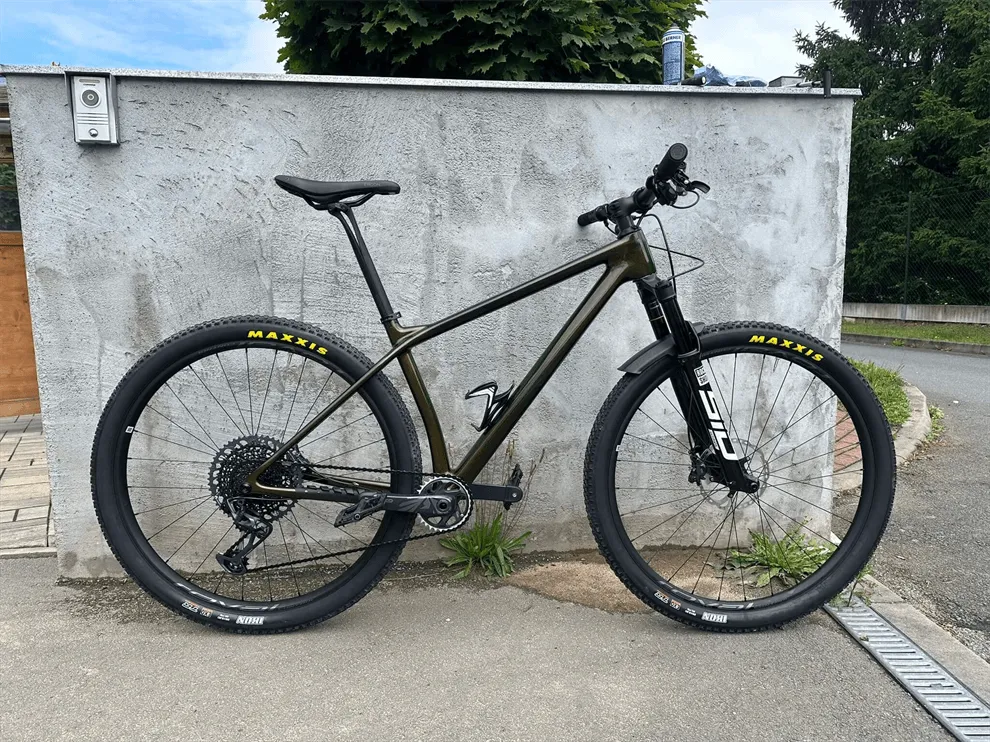
Structurally, a common hardtail mountain bike frame consists of a front fork suspension and a rigid rear triangle. It’s lightweight, responsive, and suitable for XC and short trails. A full suspension mountain bike frame, on the other hand, disperses shock through its rear suspension system, improving descent stability and comfort, and is particularly suitable for enduro and technical routes.
Material is another crucial factor. Carbon fiber mountain bike frames not only offer lightweight advantages but also optimize the stiffness-to-weight ratio through specific layups, improving riding efficiency and durability. Aluminum alloy frames are more durable and easier to maintain, often referred to as “workhorses” by many beginner riders. In trail riding or long-distance off-road riding, the frame material and geometry often have a greater impact on the overall riding experience than the wheels or suspension.
Mastering the basics of a mountain bike frame guide helps beginners avoid making blind choices, quickly find a frame type that suits their riding style and terrain, and improve efficiency and safety on every ride.
Overview of Major Mountain Bike Frame Categories (Key Differences for Beginners)
Different types of mountain bike frames differ significantly in structural design, weight, suspension characteristics, and geometry. Choosing the right frame type can improve riding efficiency and downhill stability, while reducing rider fatigue and maintenance costs. We will analyze hardtail, full-suspension, and electric mountain bike frames one by one, helping beginners quickly grasp the core characteristics and usage scenarios of each type.
| Frame Type | Structure | Key Advantages | Typical Riding Scenarios | Material Notes |
|---|---|---|---|---|
| Hardtail MTB Frame | Front suspension + rigid rear triangle | Lightweight, easy maintenance, efficient climbing | XC, Trail, Beginner | Carbon hardtail offers light weight, strength, and responsive ride |
| Full Suspension MTB Frame | Front fork + rear suspension linkage | Comfortable, stable downhill, strong off-road capability | Trail, Enduro, Downhill | Carbon full suspension improves stiffness-to-weight ratio but more complex engineering |
| Electric MTB Frame | Motor and battery integrated, reinforced tubing | Assist in climbs, reduce fatigue, longer range | e-MTB, Trail, Long-distance riding | Carbon e-MTB frame reduces weight while maintaining strength |
Differences in Frame Geometry Among Different Mountain Bike Frames (Key Parameters Affecting Handling)
Frame geometry is a key factor determining riding handling, comfort, and downhill stability. Even within the same type of mountain bike frame, different geometry parameters will result in completely different riding experiences. Understanding these key parameters helps novice and advanced riders quickly find the right model for their riding style and terrain when choosing a hardtail mountain bike frame, full suspension mountain bike frame, or carbon mountain bike frame.
1: The Impact of Reach and Stack (Determining Riding Posture and Handling)
Reach and stack are parameters that measure the fore-and-aft extension and vertical height of the frame.
- Reach (horizontal extension) determines the rider’s lean posture and handling agility; a longer reach is more suitable for high-speed downhill and technical routes.
- Stack (vertical height) determines the rider’s riding comfort; a higher stack reduces lower back fatigue on long trails or XC routes.
By optimizing the Reach and Stack combination, carbon mountain bike frames can improve handling precision and off-road performance while maintaining lightweight and rigidity.
2: Head Tube Angle and Stability
The head tube angle determines steering response and overall bike stability: A slack head tube angle improves downhill stability, suitable for enduro and downhill riding.
A steeper head tube angle improves climbing agility and front wheel control, suitable for XC and trail riding.
For full suspension mountain bike frames, the head tube angle and suspension travel are crucial factors affecting downhill confidence.
3: Chainstay Length and Flexibility
Chainstay length affects overall bike flexibility and climbing efficiency: A short chainstay improves handling agility and cornering agility, suitable for technical routes and jumps. A long chainstay improves stability, suitable for high-speed downhill riding and long-distance riding with heavy loads. This is why many trail riders like to adjust the chainstay length of their hardtail or full suspension mountain bike frames to suit their riding habits.
4: Wheelbase and High-Speed Performance
Wheelbase (front and rear wheelbase) determines the bike’s stability at high speeds or on bumpy terrain: A longer wheelbase provides more stable straight-line performance at high speeds, increasing confidence on downhill sections. A shorter wheelbase enhances low-speed cornering agility and responsiveness to technical routes.
Properly matching wheelbase with head tube angle is a key indicator to consider when choosing a carbon mountain bike frame or an electric mountain bike frame.

Mountain Bike Frame Material Selection (Carbon Fiber vs. Aluminum)
Choosing the right mountain bike frame material is a key factor in determining the overall performance, durability, and riding experience. Different materials not only affect weight and stiffness but also directly impact riding efficiency, shock absorption response, and maintenance costs. Whether you prioritize lightweight and high-response carbon mountain bike frames or opt for aluminum frames that balance durability and budget, understanding their advantages and disadvantages will help riders quickly find the most suitable MTB frame. Below, we will analyze the characteristics of these two mainstream materials and common purchasing misconceptions.
1: Advantages and Misconceptions of Carbon Mountain Bike Frames
Strength vs. Weight: Carbon fiber frames, through directional layering and zoned thickening, achieve lightweight while maintaining sufficient torsional stiffness, making them the first choice for riders seeking speed and climbing efficiency.
Shock Absorption: Properly layered carbon mountain bike frames optimize shock absorption, improving trail riding comfort.
Beginner Suitability: While carbon fiber is lightweight and high-performance, it is expensive and impact-sensitive for beginners, prone to irreparable cracking. Therefore, its selection should be based on riding habits and budget. The industry adage “light but brittle” refers to this characteristic.
2: Advantages and Suitable Scenarios of Aluminum Alloy Frames
Budget-Friendly: Aluminum alloy mountain bike frames are relatively affordable, making them an ideal choice for entry-level riders or those on a limited budget.
Durability: Aluminum alloy offers strong impact resistance and is easy to maintain. “Workhorse” level frames can handle daily trail riding and light off-road riding.
Recommended for Beginner Riders: For riders new to MTB or those who frequently use XC/Trail bikes, aluminum alloy frames offer a good balance of performance and durability, making them suitable as a first frame and facilitating future upgrades to carbon mountain bike frames.
How to Choose the Right Mountain Bike Frame for Yourself? (Common Mistakes for Beginners)
Choosing the right mountain bike frame isn’t simply about price or appearance; it requires considering your riding scenario, budget, height, body type, and riding style. Many beginners easily overlook frame geometry and suspension type, leading to uncomfortable riding posture, unstable handling, or low riding efficiency. Below, we’ll systematically analyze these three core dimensions to help you avoid making mistakes.
1: Choosing the Right Frame Type Based on Your Riding Scenario
Different routes and riding needs determine the most suitable frame type:
XC (Cross-Country): Lightweight hardtail mountain bike frame, high climbing efficiency, suitable for long-distance endurance riding.
Trail/Enduro: Full suspension mountain bike frame, providing comfort and downhill control, the first choice for technical routes and varied terrain.
Downhill (DH): Extreme suspension design, reinforced structure, focused on high-speed downhill and jumps.
Electric MTB (e-MTB): Electric mountain bike frames that require consideration of motor weight and battery layout, reducing energy consumption during climbing and long-distance off-road riding.

2: Choosing Frame Material Based on Budget
Budget determines material selection, affecting riding performance and upgrade potential:
Aluminum Alloy Frame: High cost-performance ratio, durable, suitable for beginners or riders on a limited budget.
Carbon Mountain Bike Frame: Lightweight, high rigidity, fast response, but more expensive.
Key Consideration: Upgrading to a carbon fiber frame is only worthwhile when riders want to improve climbing efficiency, trail performance, or reduce weight. The industry saying “develop your skills first, then upgrade to carbon” refers to this logic.
3: Choosing Frame Size Based on Height, Arm Span, and Riding Style
Frame size and riding posture directly affect handling and comfort, making it essential to consult a comprehensive Bike Sizing Guide to know how to measure a bike frame accurately.
Mountain Bike Frame Maintenance and Lifespan Guide (For Beginners Only)
Even top-of-the-line mountain bike frames inevitably experience wear and tear or structural fatigue from prolonged riding or use on challenging terrain. Mastering basic frame inspection and maintenance methods can not only extend frame life but also prevent safety risks caused by micro-cracks or material fatigue. The following content will help you understand how to inspect and maintain a carbon fiber frame, and determine when to replace it, ensuring safe and reliable rides every time.
1: How to Check Frames for Cracks or Damage
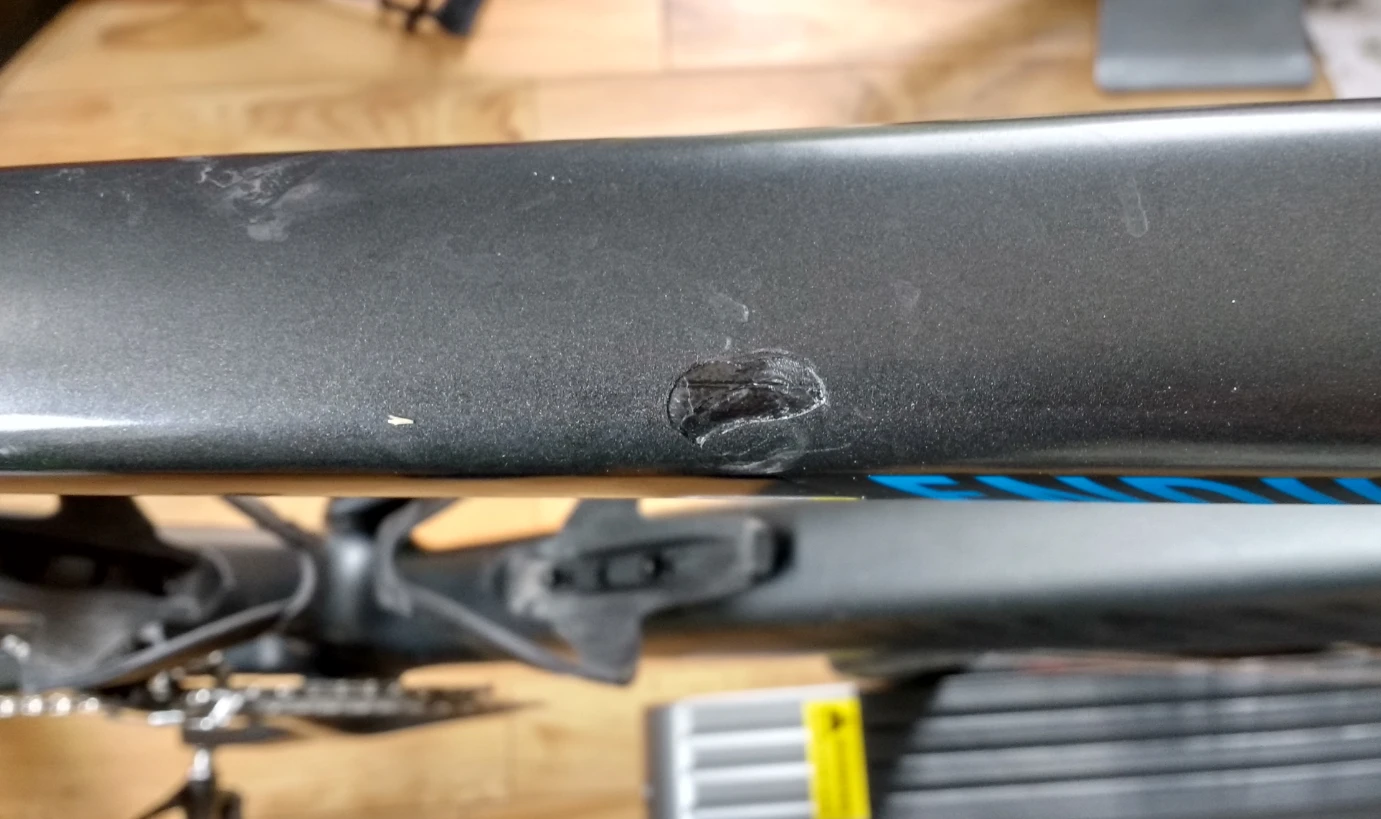
Regularly inspect key areas of your mountain bike frames, especially the downtube, headtube, chainstays, and suspension connections.
- Visible Cracks or Scratches: Minor scratches are not a major concern, but deep cracks can affect frame stiffness.
- Tapping and Listening Method: Gently tap the carbon fiber frame, listening for unusual noises or hollow sounds. This is a common quick inspection technique used in the industry.
- Seams and Welds: For aluminum frames, pay attention to welds for micro-cracks. Hardtail and full-suspension joints are more prone to fatigue.
2: Proper Maintenance of Carbon Fiber Frames
Carbon mountain bike frames require careful maintenance, but the methods are simple:
- Avoid prolonged exposure to direct sunlight and high temperatures to prevent resin aging.
- Use warm water and a soft brush for cleaning; avoid direct impact from a high-pressure water gun onto welded or seam areas.
- Regularly check the frame geometry for minor deformation due to impacts or shock absorber failure.
Use a dedicated carbon fiber protectant or film to extend surface life and reduce the impact of minor scratches.
3: When to Replace Your Mountain Bike Frame
Determining when to replace your frame depends not only on mileage but also on riding conditions and frame material:
- Visible structural cracks or delamination: Carbon fiber frames showing obvious delamination or cracks should be replaced immediately.
- Fatigue from prolonged use: After years of high-intensity riding, aluminum alloy frames may show significant weld fatigue, requiring replacement.
- Performance degradation: Experiencing reduced downhill stability, decreased climbing efficiency, or worsened shock absorber response during riding can all be signs of frame aging.
By mastering these mountain bike frame guide maintenance techniques, even novice riders can maintain optimal frame performance while extending riding safety and lifespan.
Summary and Professional Advice (Advice from Engineers at a Carbon Fiber Frame Factory)
Choosing the right mountain bike frame is fundamental for every rider. This article analyzes hardtail, full-suspension, and electric mountain bike frames, allowing beginners to quickly grasp the priority principles for different mountain bike frames. It provides a comprehensive evaluation of each frame’s performance and suitable scenarios, considering structure, materials, and geometry. Below are some key suggestions to help riders avoid common pitfalls and optimize their riding experience.
1: Priority Principles for Different Mountain Bike Frames
- Hardtail mountain bike frame: Lightweight and efficient, suitable for XC and trail riding, the first choice for beginners or riders on a budget.
- Full suspension mountain bike frame: Prioritizes comfort and downhill stability, suitable for technical routes and long-distance off-road riding.
- Electric mountain bike frame: Requires consideration of motor weight, battery compartment, and geometry optimization, suitable for riders who frequently climb long distances.
- Carbon mountain bike frame: Focuses on lightweight, rigidity, and high responsiveness, suitable for users with some riding experience or those looking to improve trail performance.
2: How to Avoid Common Frame Selection Mistakes for Beginners
- Don’t blindly pursue lightweight while neglecting durability or geometry fit.
- Measure frame reach and stack before test riding to ensure a natural and efficient riding posture.
- Avoid directly upgrading to a carbon fiber frame without considering your own skill level; the misconception that “lightweight is brittle” can lead to early damage.

3: When is Upgrading to a Carbon Mountain Bike Frame Most Cost-Effective?
When riders have mastered basic riding skills and want to improve climbing efficiency, descent stability, or overall riding experience. For intermediate to advanced riders who love trail or enduro riding, upgrading to a carbon mountain bike frame can significantly improve frame stiffness and riding response. If your budget allows, consider a custom carbon fiber frame, optimized for height, riding style, and terrain.
4: Consultation and Customization Advice
For professional advice or custom frame options, our engineering team can provide a complete solution from material selection and geometry design to suspension tuning, helping each rider find the most suitable mountain bike frame to ensure both riding safety and performance.