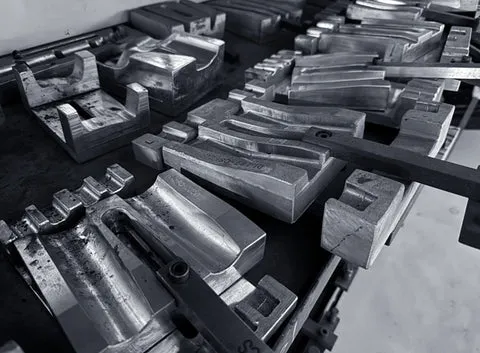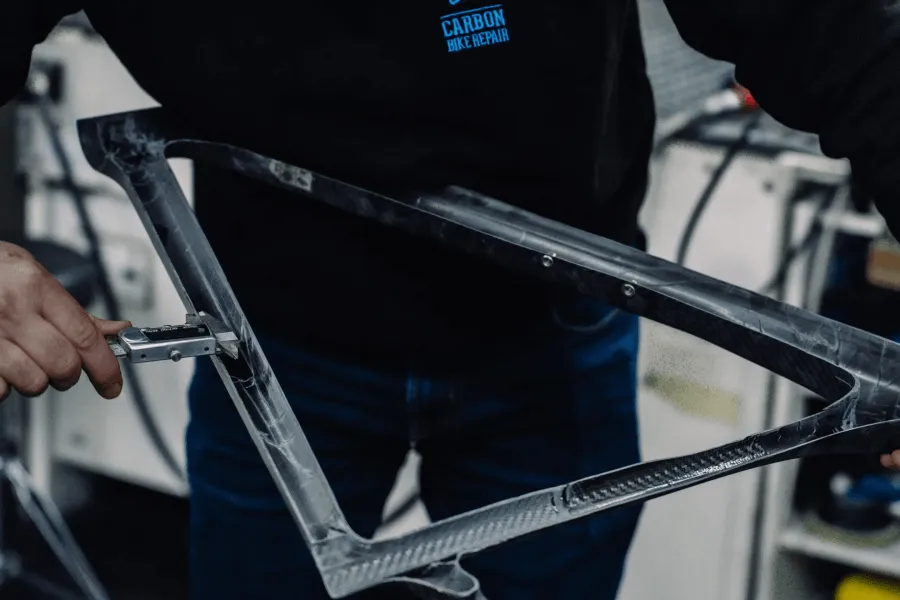
A carbon bike frame is not as fragile as some might think. What happens to the stiffness of a bike carbon frame after years of use? According to industry sources and factory experience, a high-quality carbon fiber bike frame typically has a service life of 5–10 years under normal use and proper maintenance. (revoltbikes.nl)
Reddit discussions also highlight this topic: some riders report that their carbon frames remain strong and maintain their stiffness even after years of riding, while others caution that “the carbon itself may not fatigue, but the resin can develop damage over time and repeated stress cycles.” (reddit.com)
Haidelibikes as a manufacturer with over ten years of experience in carbon fiber bike component, we know that manufacturers subject complete carbon bike framesets to millions of fatigue cycles and use non-destructive testing (NDT) methods such as infrared thermography to detect potential delamination or micro-cracks. Studies have shown that infrared thermography can identify internal defects several millimeters deep in composite materials. (guideir.cn)
A well-designed and properly manufactured carbon fiber bike frame can maintain its structural integrity for many years if major impacts are avoided and regular inspections are performed.
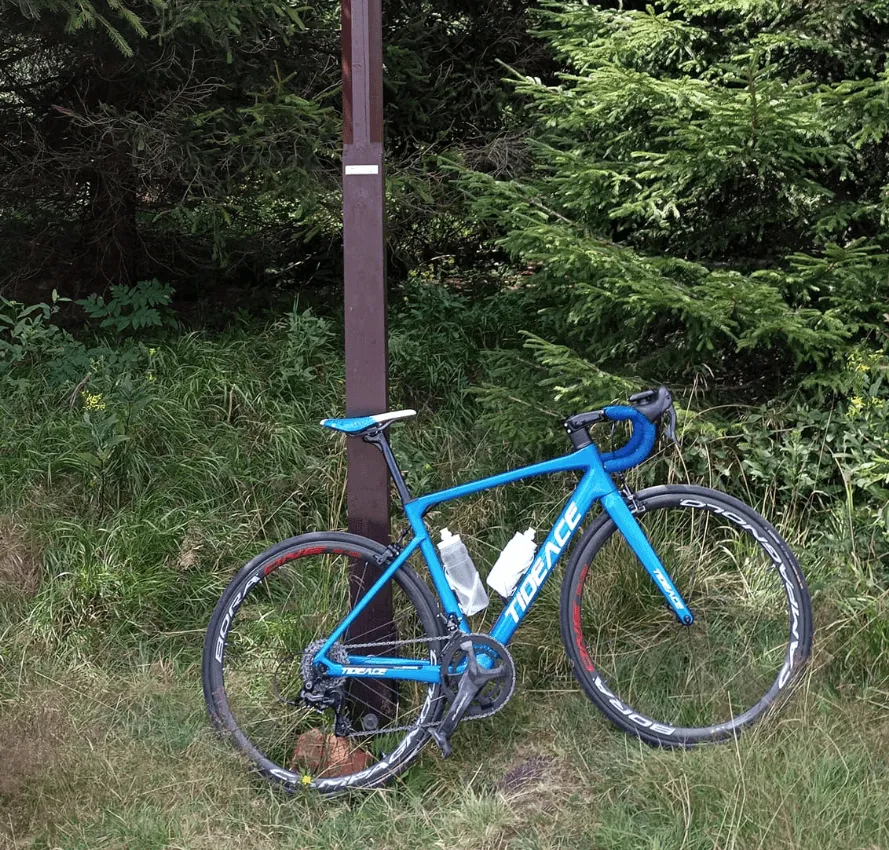
The Secrets of a Carbon Bike Frame
A carbon bike frame is not only lightweight but also incredibly strong. Understanding its material properties and structural design helps riders assess durability and potential risks. Below, we explore the core secrets of carbon fiber bike frames, from material composition to full frameset design and commonly overlooked weak points.
1.1: Why Carbon Fiber Frames Are Both Light and Strong
High-modulus carbon fibers combined with resin layup allow the frame to handle significant stress in key directions while keeping weight low. Compared to aluminum or steel, a carbon fiber bike frame can be 20–30% lighter, providing better vibration absorption and riding efficiency. The layup and fiber orientation are critical factors that determine both strength and weight.
| Feature / Factor | Carbon Fiber Bike Frame | Aluminum / Steel Frame | Notes |
|---|---|---|---|
| Material Weight | Low (20–30% lighter) | Relatively heavy | Carbon significantly reduces overall bike weight, improving climbing and acceleration. |
| Stress Handling | High | Moderate | High-modulus carbon fibers + resin layup handle significant stress in key directions. |
| Vibration Absorption | Excellent | Average | Carbon composite dampens road vibrations better, enhancing comfort. |
| Strength Determinants | Layup & Fiber Orientation | Material thickness & tube shape | Fiber orientation and layer arrangement determine the balance between lightness and strength. |
| Lifespan | High (with proper use & maintenance) | High | Carbon itself is fatigue-resistant, |
1.2: Key Structural Points of a Carbon Bike Frameset
A complete carbon bike frameset includes the frame, fork, seat tube, and bottom bracket, with every junction analyzed for stress distribution and tested under fatigue cycles. The bottom bracket, often called the “power hub,” transfers most pedaling forces, and the layup thickness and fiber orientation directly affect strength and lifespan.
1.3: Weak Points Riders Often Overlook
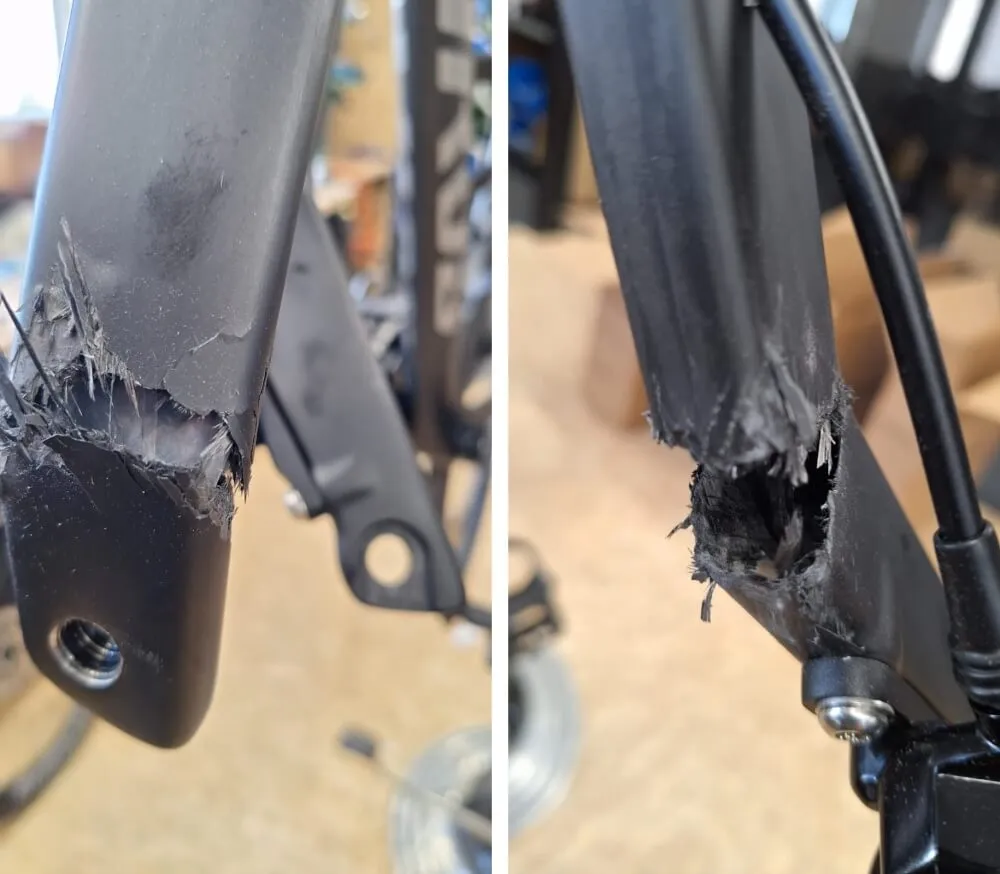
Seat tube junctions, bottom brackets, and head tubes are prone to internal delamination or hairline fractures, even if the exterior looks fine. Regular inspections, and using infrared thermography or professional NDT methods, can detect hidden damage early and keep riders safe.

Is a Carbon Bike Frame Really Easy to Break? Common Causes of Failure
Even high-quality carbon fiber bike frames are not immune to damage during real-world riding. Understanding the common causes of frame failure helps riders reduce risk and know when professional inspection is needed. Below, we explore potential failures from external impacts, fatigue damage, to manufacturing defects in carbon fiber bike frames.
2.1: Crashes, Collisions, and Accidental Impacts
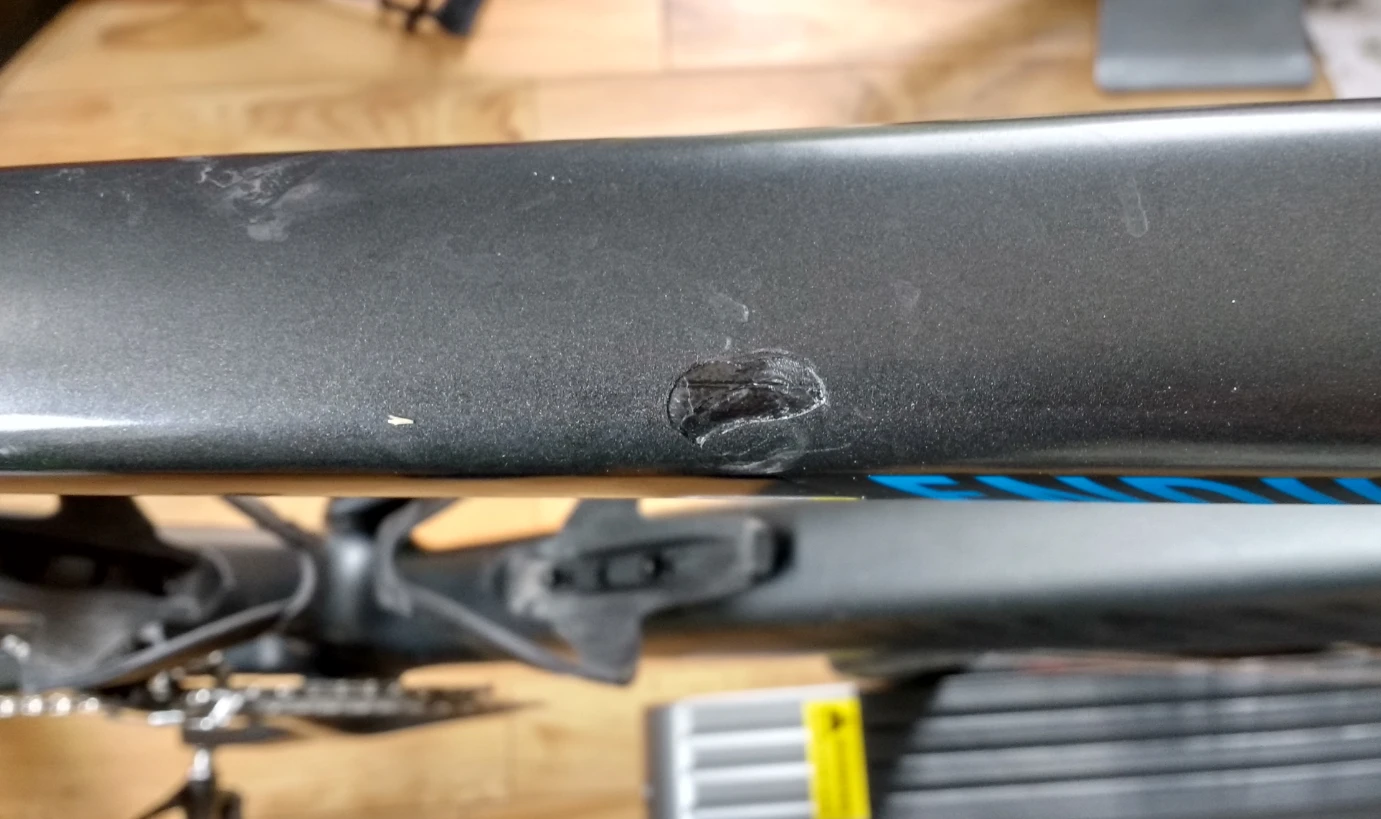
Any sudden collision or crash can damage a carbon frame, especially lateral impacts at high speed. Even if the exterior looks fine, internal micro-cracks or delamination may already have formed. Riders often refer to these as “invisible cracks.” Real-world cases show that minor impacts, if left unchecked, can propagate over time under pedaling forces, eventually compromising performance or causing localized failure.
2.2: Fatigue Damage and Long-Term Riding Risks
Carbon fiber can gradually develop micro-cracks under repeated load cycles, particularly in high-stress areas like the bottom bracket and chainline. Factory data indicates that even after millions of fatigue cycles (fatigue cycle test), some micro-cracking is inevitable. However, frames optimized with proper layup and fiber orientation can significantly extend fatigue life. Long-term riders who skip routine inspections increase cumulative risk.
2.3: Manufacturing and Material Defects
Even top-tier carbon frames can have potential weak points from manufacturing or material defects, such as uneven layup at junctions, poor bonding or resin curing issues. Professional manufacturers use non-destructive testing (NDT) methods like infrared thermography and ultrasound inspection to detect hidden defects, ensuring the carbon fiber bike frame meets design strength standards. Choosing frames with strict QC (quality control) minimizes accident risks.

Professional Inspection Methods: Carbon Safety Checks Riders Can Understand
Even top-tier carbon fiber bike frames can develop hidden damage from long-term riding or minor impacts. Knowing common professional inspection methods helps riders assess frame health and catch issues early. Below, we cover infrared thermography, bottom bracket stress testing, and fatigue cycle testing.
3.1: The Magic of Infrared Thermography
Can Infrared Scans Reveal Weaknesses in Your Carbon Bike Frameset? Infrared thermography is a non-destructive testing (NDT) technique that detects internal delamination or micro-cracks by analyzing heat flow. Known in the industry as an “IR scan,” it’s widely used in factories—and increasingly adopted by riders who want to verify frame safety after minor crashes.
By visualizing heat patterns, infrared imaging can reveal hidden weaknesses several millimeters beneath the surface, making it a highly effective method for identifying early-stage carbon fiber defects. For anyone concerned about structural integrity, IR scanning is becoming an essential tool for maintaining carbon bike frame performance and safety.
3.2: Bottom Bracket / Junction Stress Testing
The bottom bracket, or “power hub,” is the main force transfer point and a common stress concentration area. Finite element analysis (FEA) and stress testing show how junctions perform under real-world pedaling forces. Riders can combine visual inspections with force measurement tools to spot slight deformations or abnormal flex, preventing frame failure.
3.3: The Importance of Fatigue Cycle Testing
Fatigue cycle testing simulates millions of pedal strokes to check carbon bike frameset durability. Factories perform multi-axis loading and monitor micro-cracks. Riders can’t do lab tests but can observe key areas (bottom bracket, seat tube, head tube) for cracks or deformation, and use IR scans to judge frame health and plan maintenance.
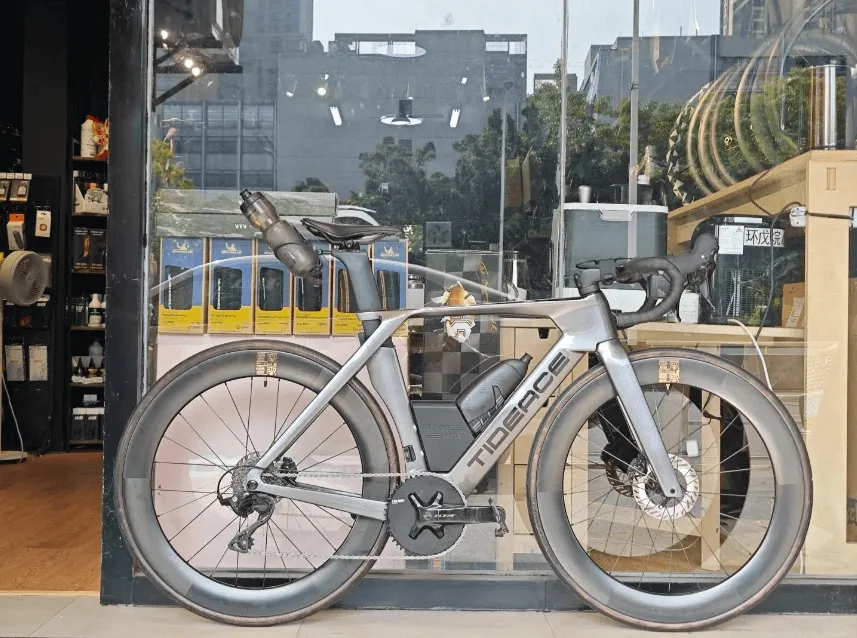
Carbon Bike Frames vs Other Materials: A Durability Analysis
Different bike frame materials have distinct characteristics in strength, weight, and lifespan. Understanding the real-world performance of carbon fiber, aluminum, and steel frames helps riders choose the right bike while balancing lightweight performance with safety. Below, we analyze carbon frame durability, aluminum/steel riding experience, and daily maintenance tips.
4.1: The True Damage Resistance of Carbon Fiber Bike Frames
High-quality carbon fiber bike frames undergo strict factory testing, including millions of fatigue cycles (fatigue testing) and infrared thermography inspections. Test data show that carbon fiber offers an excellent strength-to-weight ratio under vertical and lateral loads. Minor impacts rarely cause immediate failure, but internal micro-cracks or delamination can develop. Choosing a carbon bike frameset with rigorous QC ensures maximum structural integrity.
4.2: Daily Riding Experience of Aluminum and Steel Frames
Aluminum and steel frames are slightly heavier but generally more impact-tolerant. Aluminum frames tend to be stiffer with lower vibration absorption but easier to repair, while steel frames are highly durable and fatigue-resistant, though heavier. Riders often describe aluminum as “stiff but forgiving” and steel as “bombproof.” Choosing between materials requires balancing weight, comfort, and longevity.
4.3:Rider Maintenance and Prevention Tips
To extend the life of a carbon fiber bike frame, regularly inspect key areas (bottom bracket, seat tube, head tube) for micro-cracks or delamination. Even when riding lightweight, avoid impacts and, if needed, use infrared scans or professional NDT services. Maintaining proper riding posture and reasonable load preserves the carbon frame’s lightweight advantage while ensuring safety and durability.
Essential Tips for Buying and Using a Carbon Bike Frameset
Using a carbon bike frameset safely involves more than weight and aesthetics. Choosing the right manufacturer, performing routine inspections, and handling post-accident checks directly affect safety and frame lifespan. Mastering these tips helps riders enjoy carbon’s lightweight advantages while minimizing hidden damage. Below, we cover manufacturer selection, pre- and post-ride checks, and post-accident handling.
5.1: The Importance of Certified Manufacturers and Frames
When buying a carbon fiber bike frame, choose ISO or CE-certified brands. Certified manufacturers follow strict QC, including layup optimization, FEA, and fatigue testing. The bottom bracket, or “power hub,” is especially sensitive—improper layup or resin curing can create hidden micro-cracks. Certified frames maximize safety and durability.
5.2: Pre- and Post-Ride Inspection Tips
Before and after rides, check key areas: bottom bracket, seat tube, head tube, and bonded joints. Look for micro-cracks or delamination. Lightly tapping the frame or using infrared thermography / professional NDT can reveal hidden damage. Proper riding posture and load distribution also help prevent fatigue damage.
5.3: Post-Accident Inspection and Handling
After a crash or impact, never judge a frame by appearance alone. Have the carbon fiber bike frame professionally inspected with IR thermography, ultrasound, or other NDT to confirm internal integrity. Based on results, decide whether repair or replacement is needed. “IR scan” or “power hub inspection” are standard methods to detect hidden structural issues.
Conclusion: How Hard Is It to Break a Carbon Bike Frame?
A carbon bike frame is not as fragile as many assume. Based on industry data and factory experience, a well-made carbon frame generally lasts 5–10 years with normal riding and proper care. (source: revoltbikes.nl)
Riders on Reddit also note that many frames stay strong for years, though repeated stress cycles can eventually affect the resin even if the carbon itself doesn’t fatigue. If you’d like more insights or need recommendations from an experienced carbon frame manufacturer, feel free to contact us anytime.