You might be considering switching to a gravel bike frameset, but are unsure—is a carbon frameset better than an aluminum frameset for mixed terrain? When riding on mixed terrain—gravel trails, hilly dirt roads, and a mix of mud and paved surfaces—the frame material not only affects climbing efficiency but also directly impacts wrist and back fatigue. According to BikeRadar’s buyer’s guide, aluminum alloy offers good rigidity and is affordable, but carbon fiber still has a slight edge in vibration damping. Many gravel riders on Reddit discuss “aluminum chatter” and “carbon compliance.”
As a manufacturer with over ten years of experience in carbon fiber production, we will combine materials mechanics, daily riding feedback, and real-world mixed terrain conditions to conduct an in-depth comparison of the performance differences between carbon fiber and aluminum alloy bicycle gravel bike frames. We will explore load response, comfort, durability, and cost-effectiveness to help you determine which frameset is more suitable for your “both climbing and off-road” riding style.
I. The Challenges of Mixed Terrain Riding for Gravel Bike Framesets
Mixed terrain riding places higher demands on the frame than single-terrain riding. Riders must navigate paved roads, gravel trails, dirt tracks, and light off-road obstacles. For gravel bike framesets, a balance must be struck between lightweight design, stiffness, and comfort. A proper bicycle gravel bike frameset optimizes energy transfer while reducing wrist, shoulder, and back fatigue on long rides, especially important in gravel racing or bikepacking.
1.1: What is Mixed Terrain?
Mixed terrain includes paved roads, gravel roads, dirt roads, light off-road trails, and even slippery mud sections. In Europe and America, riders often use “gravel grind” or “all-road” to describe this diverse terrain. For gravel bike framesets, frame geometry, wheel diameter compatibility, tire clearance, and suspension compliance are key performance factors. Understanding mixed terrain helps in choosing between gravel frameset carbon or aluminum versions.
1.2: Why Choosing the Right Bicycle Gravel Bike Frameset is So Crucial
The right bicycle gravel bike frameset affects riding comfort, handling stability, and power delivery. Inappropriate materials or geometry can lead to an overly stiff “aluminum chatter” or carbon fiber, increasing fatigue and affecting handling. Comparing the stiffness, shock absorption, and durability of gravel frameset carbon and aluminum allows for the best choice for commonly used mixed terrain routes.
II. Advantages and Limitations of Carbon Gravel Frameset
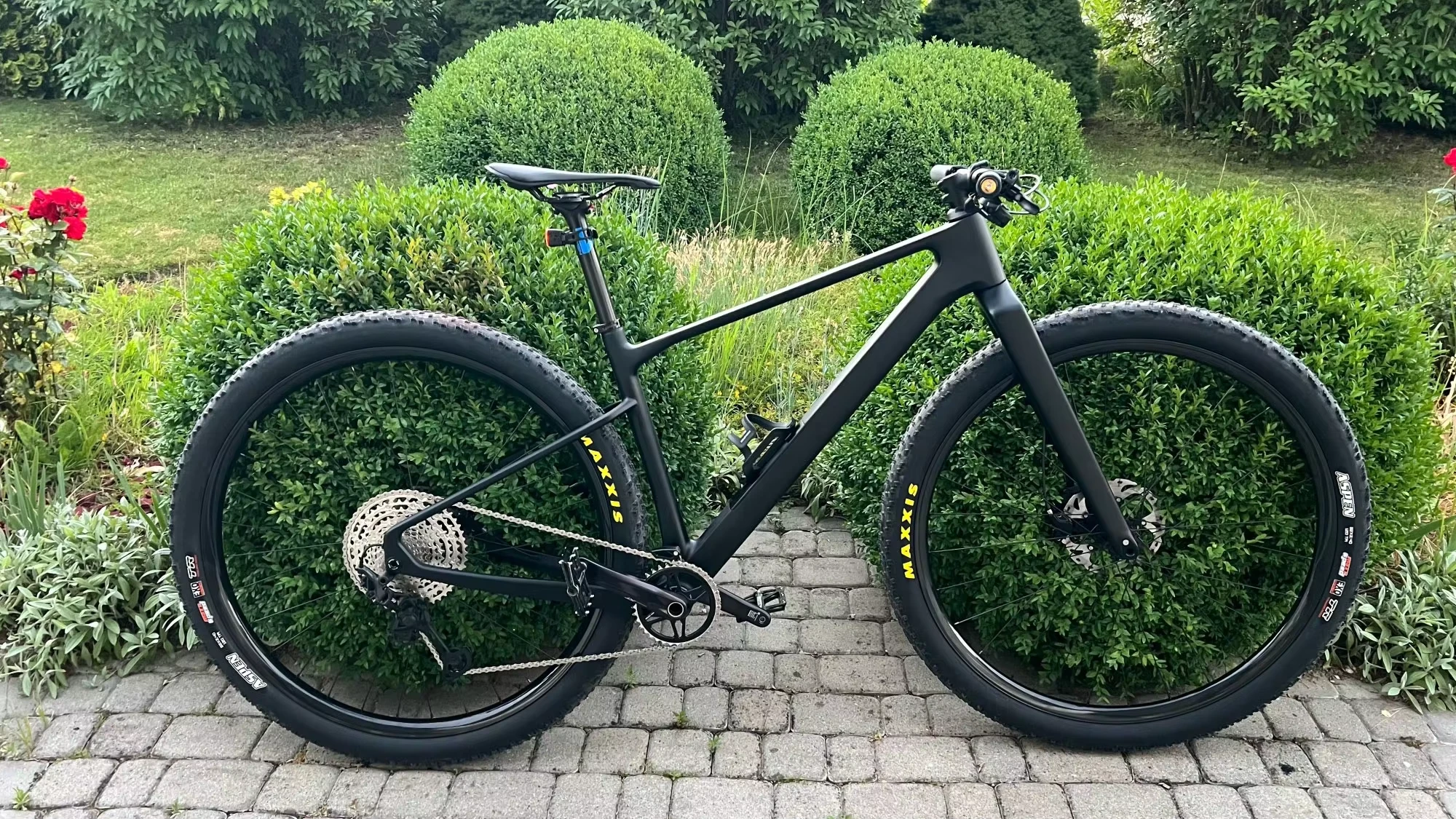
Carbon gravel framesets are renowned for their lightweight, high stiffness, and responsiveness, making them a top choice for performance-oriented riders. For long gravel rides or mixed terrain, carbon frames not only improve acceleration and climbing efficiency but also optimize vibration absorption and handling. Meanwhile, carbon gravel bike framesets offer a wide range of geometry and paint customization options, allowing riders to adjust stack & reach or wheel diameter compatibility to suit their individual riding style. However, the high cost and specialized maintenance requirements of carbon frames are factors that must be considered. The advantages and limitations are analyzed in detail below.
2.1: Lightweight and High Stiffness: More Efficient Climbing and Acceleration
Carbon’s high strength-to-weight ratio makes gravel framesets perform exceptionally well in both long climbs and short sprints. Compared to aluminum framesets, carbon has higher torsional stiffness, maximizing power transfer and reducing energy waste. In Europe and America, riders often use the term “power-to-weight efficiency” to describe this advantage.
2.2: Superior shock absorption characteristics, suitable for long-distance riding and uneven surfaces
Carbon fiber materials naturally possess strong compliance, effectively absorbing vibrations from gravel roads, muddy roads, or light off-road trails. When riding long gravel routes, it effectively reduces fatigue in the wrists, shoulders, and lower back, improving overall riding comfort throughout the day. This is why many bikepacking and endurance gravel riders favor carbon framesets.
2.3: Customization and aerodynamic design flexibility
Carbon fiber frames allow for multi-layer carbon fiber layups, enabling adjustments to stiffness, compliance, and aerodynamic performance to suit the rider’s needs. In Europe and America, this customization potential is often described as “aero tubing” or “custom layup.” Riders can choose the most suitable stack & reach or wheel diameter combination based on the gravel bike geometry, balancing handling and comfort.
2.4: Potential Disadvantages: Higher Cost, More Specialized Repair Requirements
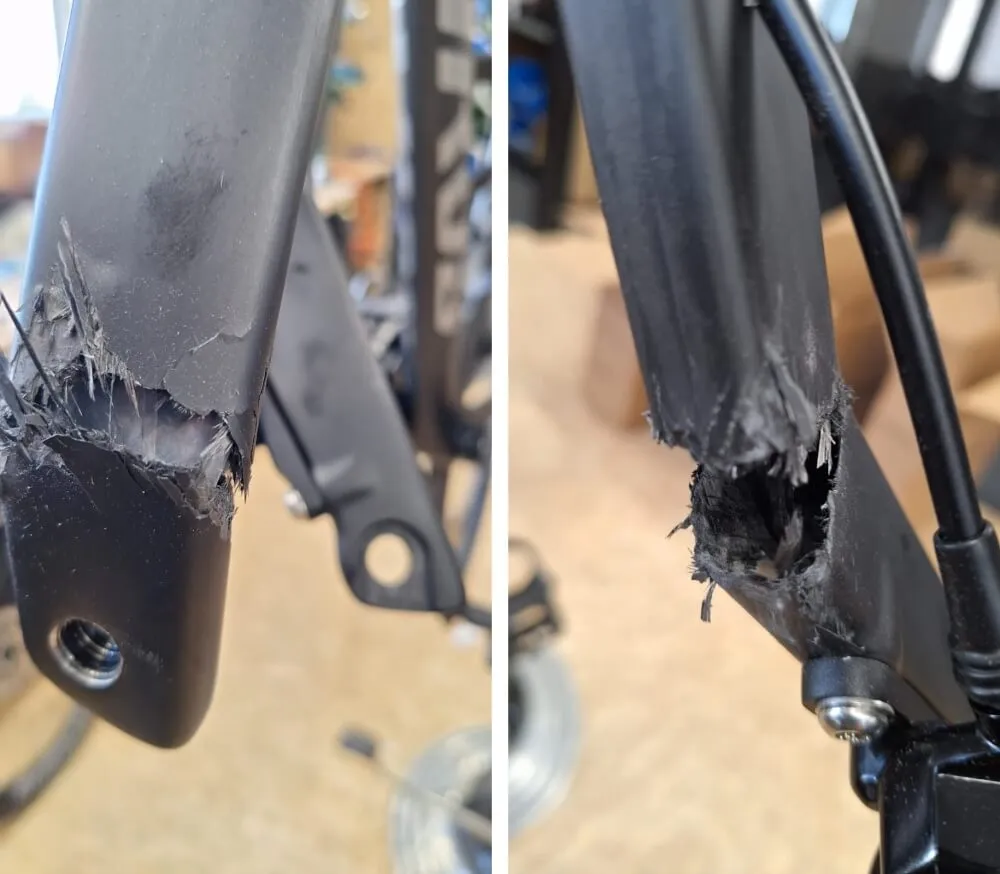
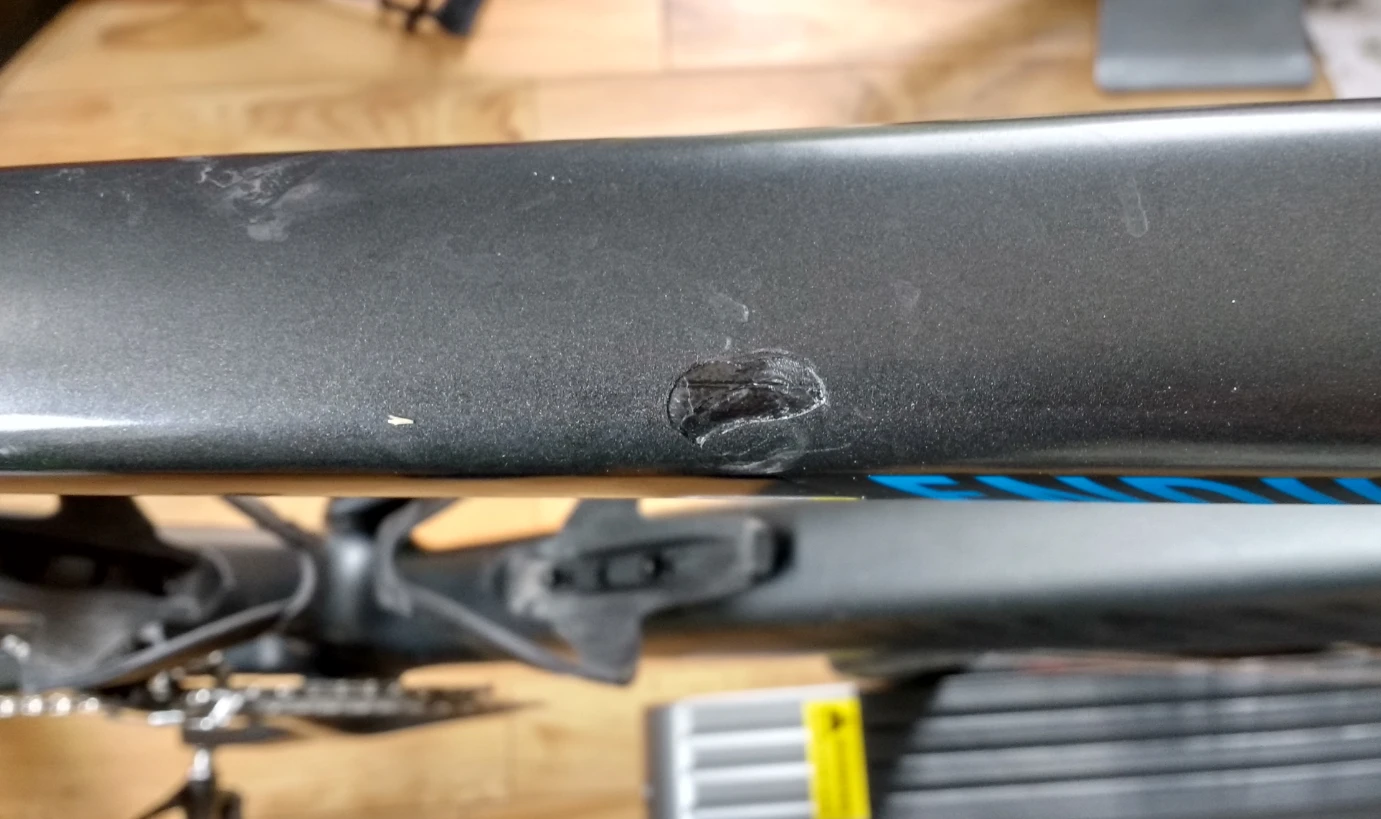
Carbon fiber frames are generally more expensive than aluminum alloy frames and are more sensitive to impacts and wear. Repairs or replacements require specialized tools and technical support (“carbon repair kits”), making them difficult for the average rider to handle on their own. Riders with limited budgets or those who prefer a rough-and-tumble riding style need to balance performance with cost.
III. Features and Target Audience of Aluminum Alloy Gravel Bike Framesets
Aluminum alloy gravel bike frames are known for their rigidity, durability, and affordability, making them a popular choice for beginner riders, commuters, and riders on a budget. Compared to carbon fiber frames, aluminum alloy offers advantages in impact resistance and abrasion resistance, while being slightly heavier for long rides, but overall providing excellent value. For everyday gravel rides or short all-road trips, bicycle gravel bike frames provide a stable and reliable performance foundation. The following section analyzes their features and target audience.
3.1: Balance of Strength and Value
Aluminum alloy materials possess high rigidity and a good strength-to-weight ratio, making them suitable for everyday riding, gravel roads, and light off-road trails. Compared to carbon fiber, although slightly lower in shock absorption, they excel in impact resistance and durability, making them a cost-effective option.
H3.2: A Practical Choice for Beginner Riders and Commuters
The aluminum gravel bike frameset is reasonably priced and easy to maintain, making it ideal for beginner riders or city/country commuters. Riders can confidently handle daily grinds or weekend gravel rides without worrying about minor bumps or gravel road damage.
3.3: Disadvantages: Poor shock absorption, slightly lower long-distance comfort
Aluminum alloy is more rigid, and its shock absorption is not as good as carbon fiber, resulting in more noticeable fatigue in the wrists, shoulders, and lower back during long rides. On gravel roads or muddy trails, riding comfort is slightly inferior to the gravel frameset carbon, especially during long gravel racing or bikepacking, requiring extra caution.
3.4: How New Alloy Processes Narrow the Performance Gap with Carbon Fiber
In recent years, the optimized tubing (“butted tubing”) and heat-treated alloy of the 6061/7005 series aluminum alloys have improved compliance and strength, narrowing the performance gap with carbon fiber in vibration absorption and handling comfort. Simultaneously, innovative geometry and flexible fork/seatpost adjustments make the bicycle gravel bike frameset more adaptable to mixed terrain.
IV. Realistic Mixed Terrain Testing: Carbon vs. Aluminum Performance Comparison
To visually demonstrate the differences in Bicycle Frameset Gravel performance on mixed terrain, we conducted field tests on carbon fiber and aluminum alloy. The routes included gravel roads, steep hills, and bumpy sections, simulating gravel rides and bikepacking conditions. By measuring handling, comfort, power delivery, and fatigue, we were able to scientifically compare the material performance of gravel bike framesets.
4.1 Performance on Gravel Roads, Steep Hills, and Bumpy Sections
Carbon fiber gravel framesets offer higher torsional stiffness on gravel roads and steep hills, resulting in better acceleration and climbing efficiency than aluminum alloy. Aluminum alloy framesets offer better stability and impact resistance, but are prone to “aluminum chatter” on gravel roads, affecting handling.
4。2: Comparison of Riding Comfort and Fatigue Control
Carbon fiber absorbs road vibrations through its material compliance, resulting in lower wrist, shoulder, and back fatigue during long rides. Aluminum alloy is sturdy, but it increases fatigue on long rides on rough gravel routes, requiring riders to adjust their posture or reduce speed.
4.3: Rider Feedback and Data Analysis (including weight, torsional stiffness, and shock absorption performance)
Real-world testing shows that carbon fiber bicycle gravel bike framesets are on average 300–500 grams lighter, have approximately 15–20% higher torsional stiffness, and offer better vibration damping on gravel roads. Rider feedback indicates that “carbon fiber is more comfortable to handle and makes long rides easier,” while aluminum alloy is “stable and reliable, but feels slightly stiff.” Combining weight, stiffness, and comfort metrics helps riders choose the most suitable gravel bike framesets.
V. New Trends in Suspension Gravel Frames: The Evolution of Cushioning Systems
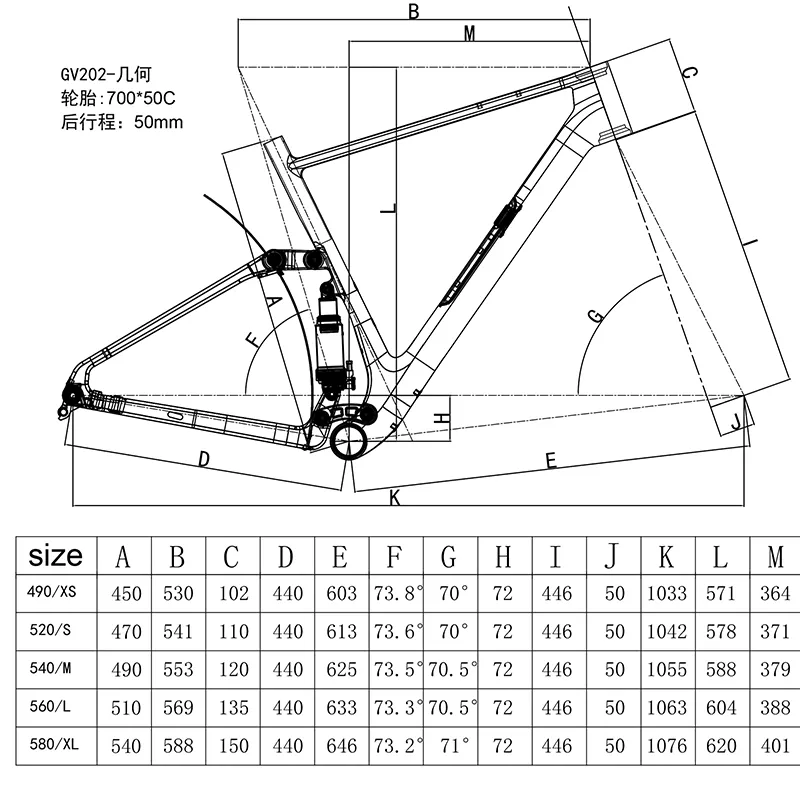
With the increasing popularity of mixed terrain riding, suspension gravel frames are gradually becoming a favorite among high-end gravel riders. By incorporating micro-suspension structures into the rear triangle or fork, these frames significantly improve shock absorption and handling stability while maintaining the rigidity of the gravel bike frameset. The following will analyze the reasons for their popularity, the advantages of carbon fiber suspension design, and their applicability in different riding scenarios.
5.1: Why are “Suspension Gravel Frames” Becoming a New Trend?
Modern gravel riders need to cope with diverse terrains, including gravel roads, gravel trails, and light off-road riding. Traditional rigid frames are prone to causing wrist, shoulder, and lower back fatigue on rough gravel routes, while suspension gravel frames improve long-distance riding comfort by absorbing shocks through rear shock or front fork micro-suspension, while maintaining climbing and acceleration efficiency. Western riders often use the term “compliance boost” to describe this comfort improvement.
5.2: How Carbon Fiber Suspension Structures Balance Weight and Stability
Carbon gravel framesets utilize multiple layers of carbon fiber layup to precisely adjust stiffness and compliance, resulting in a suspension system that is both lightweight and stable. Compared to aluminum alloys, carbon fiber suspension offers a more balanced performance in vibration damping and power transfer while maintaining overall bike lightweighting, making it suitable for long-distance bikepacking or gravel racing.
5.3: Suitable for Intense Off-Road or Long-Distance Riding? How to Choose
When choosing a gravel frame suspension, it’s essential to consider your riding style:
Intense Off-Road/Technical Trails: Preference for bikes with slightly longer rear suspension travel and high suspension compliance to ensure handling and safety.
Long-Distance Gravel Rides/Bikepacking: Lightweight suspension design prioritizes comfort and energy transfer efficiency, avoiding excessive weight.
Appropriately matching the riding scenario maximizes the advantages of the suspension frame, making gravel bike framesets more versatile.
VI. Selection Recommendations for Different Riders: Who Should Choose Carbon, and Who is Better Fit for Aluminum?
Choosing the right bicycle gravel bike frameset isn’t just about the material; it’s about considering riding style, route type, and budget. Carbon fiber and aluminum alloy each have their advantages and suit different types of riders. By comprehensively evaluating performance, comfort, weight, and maintenance requirements, riders can make the decision that best suits their needs. Specific recommendations are provided below for different types of riders.
6.1: Performance Seekers vs. Everyday Riders
Performance Seekers/Gravel Racers: Prefer carbon gravel framesets due to their lightweight, high rigidity, and good vibration absorption, making them suitable for long gravel rides, fast climbs, and technical trails.
Everyday Riders/Commuter & Casual Riders: Aluminum gravel bike framesets are more suitable, offering stability, durability, easy maintenance, and an affordable price, making them suitable for gravel roads, country trails, and commuting.
6.2: Considerations of Budget, Maintenance, and Usage Scenarios
Limited Budget: Aluminum alloy framesets offer high cost-effectiveness, while improved comfort can be achieved through new alloying processes.
Long-Term Use and Maintenance: While carbon fiber frames offer superior performance, repairs require specialized tools and technical support (“carbon repair kit”).
Road Conditions and Usage: Carbon fiber is better suited for mixed terrain routes, long gravel rides, or bikepacking; aluminum alloy is sufficient for short gravel rides or daily grinds.
VII. Conclusion: How to Choose the Right Gravel Bike Frameset
Choosing the right gravel bike frameset requires considering your riding needs, taking into account materials, comfort, handling, budget, and maintenance. For long gravel rides or mixed terrain routes, carbon fiber gravel framesets remain the top choice for high-end riders due to their lightweight, high rigidity, and excellent adaptability. They effectively absorb vibrations from gravel roads, steep hills, and bumpy trails, improving efficiency and comfort. Aluminum alloy bicycle gravel bike framesets are suitable for daily riding, commuting, or riders on a limited budget, offering durability and easy maintenance.
Based on real-world testing and rider feedback, carbon fiber performs better in torsional stiffness, vibration damping, and acceleration, while aluminum alloy still has advantages in impact resistance and cost-effectiveness. The final choice should be a balance of personal riding style, route type, and budget to ensure the best experience for gravel racing, bikepacking, or daily grind. By properly matching materials, geometry, and suspension systems (“suspension gravel frame”), gravel bike framesets can achieve maximum performance and comfort.