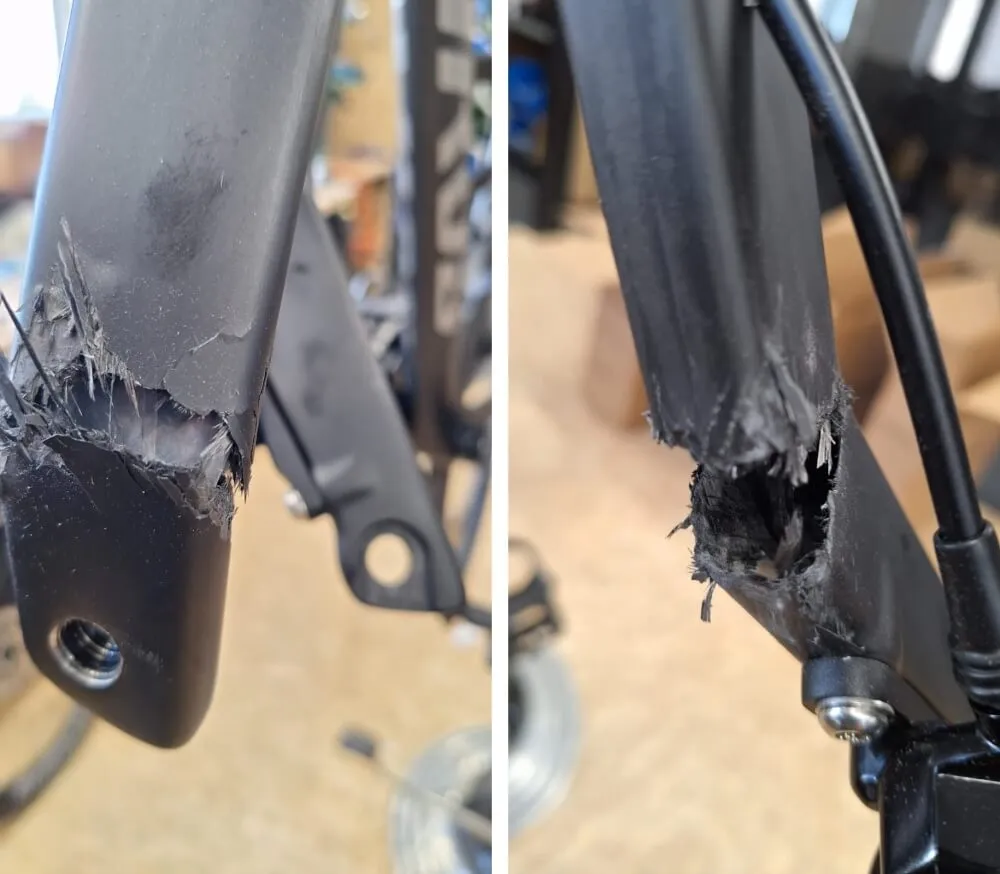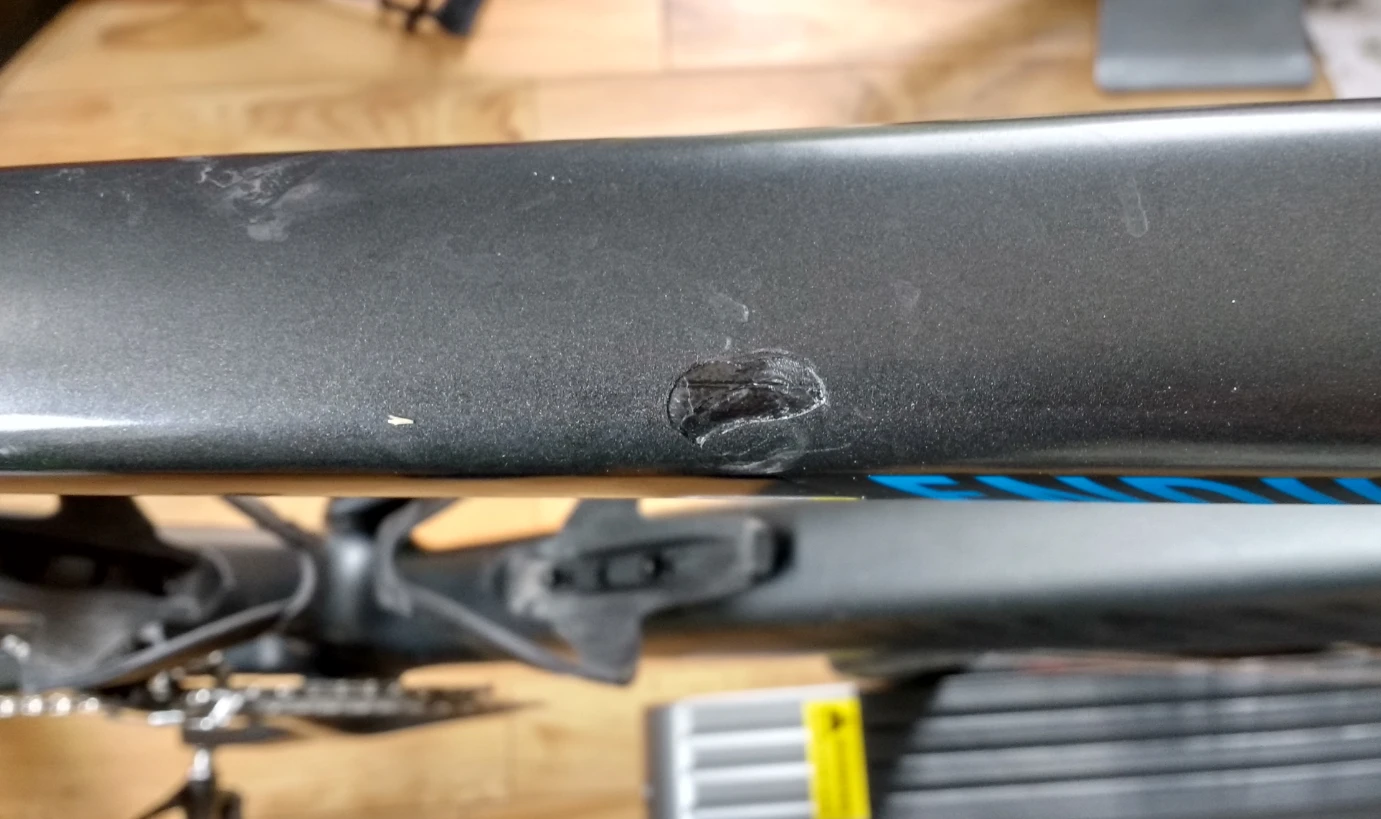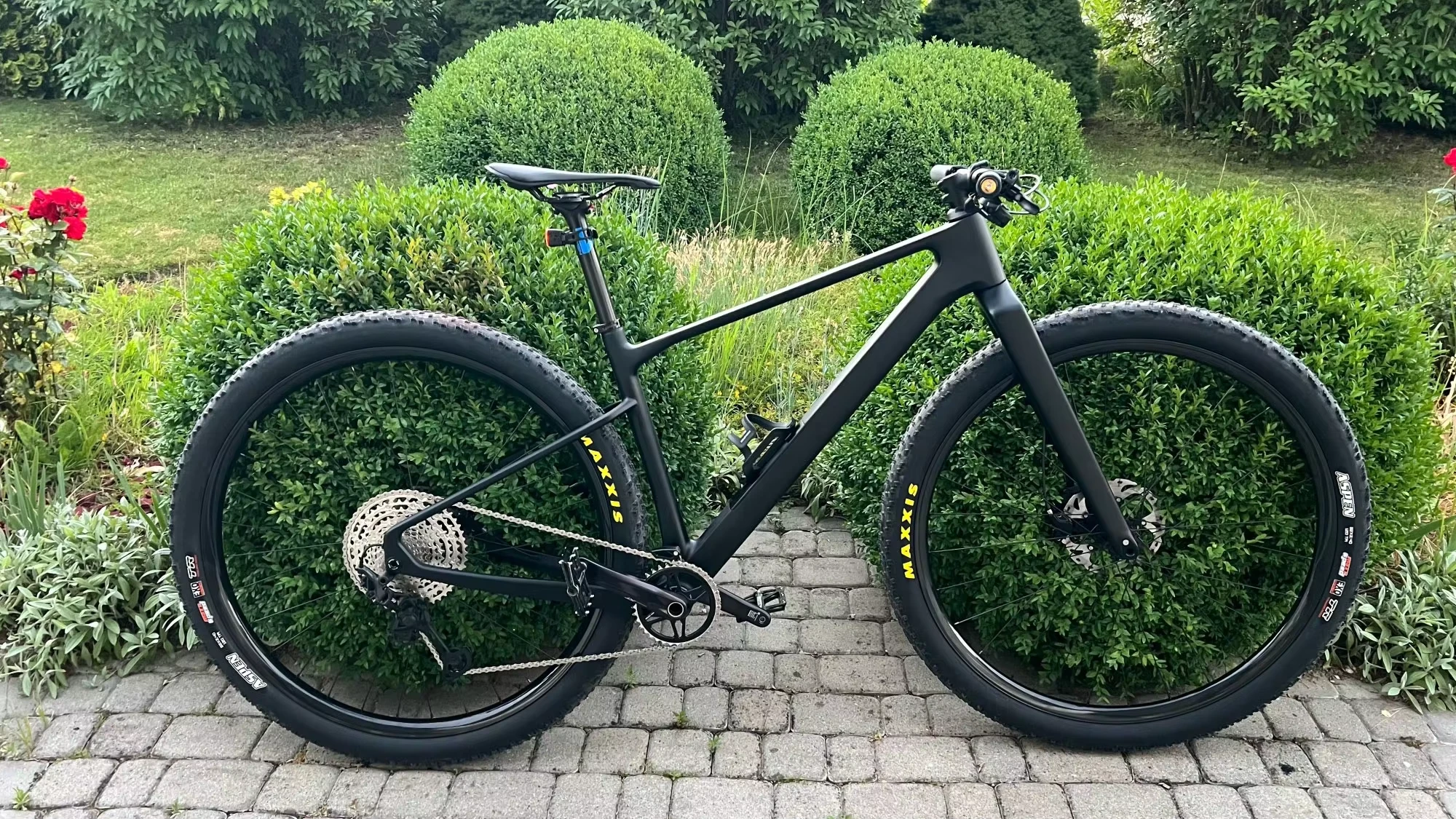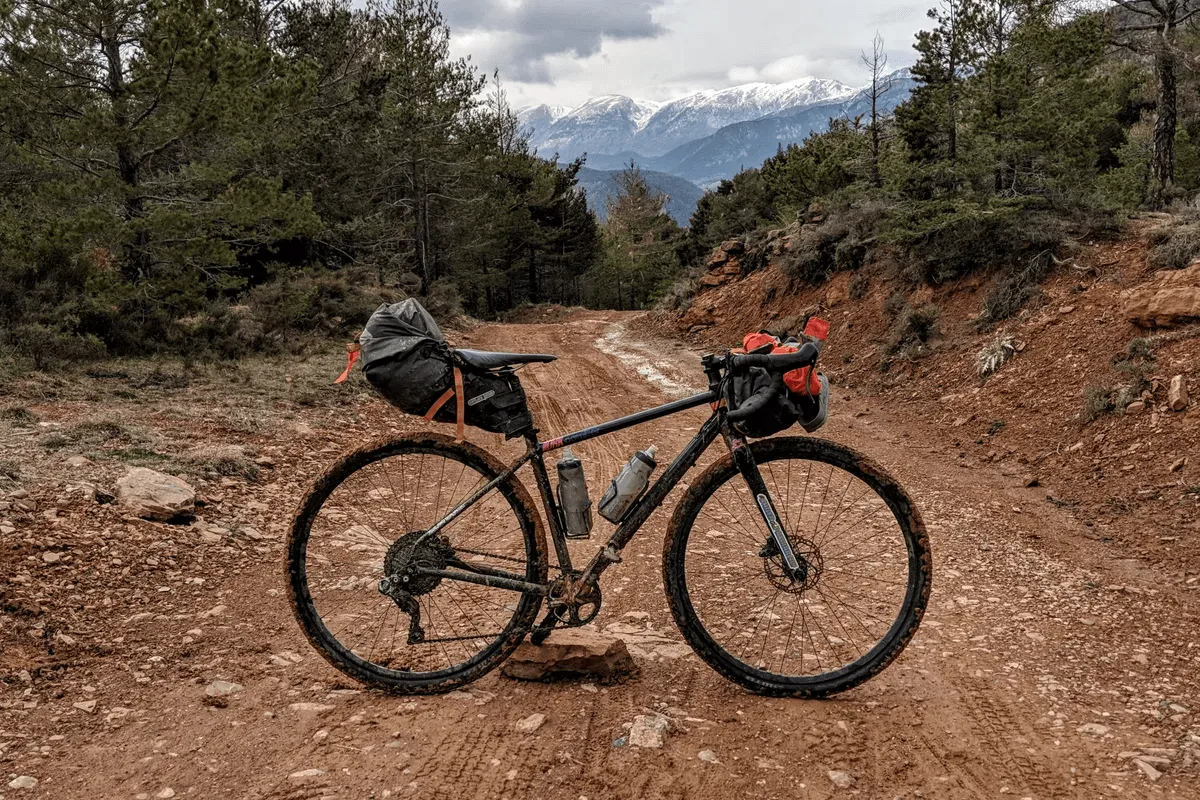
When choosing a high-quality carbon fiber MTB bike frame, many cyclists immediately think of “lightweight” and “rigidity,” but what truly causes hesitation is “reliability” and “lifespan.” With so many options on the market, it’s common for riders to wonder: “Cheap carbon fiber MTB frame — is it really worth it?” After all, while carbon fiber frame MTBs excel in off-road climbing performance, they are also labeled as “vulnerable to crashes, cracks, and lightning strikes.” On forums like Reddit and Pinkbike, one rider confessed: “My carbon stumpy is silent… but one wrong rock strike and downtube cracked.”
In fact, according to industry data, some carbon mountain bike frames, with proper maintenance, can last 5–10 years, or even longer.
Haidelibikes, as a factory/engineer with over ten years of experience manufacturing carbon fiber bicycle parts, understands exactly where these “micro-cracks” and “fatigue stresses” are hidden in the design. This article will address riders’ biggest concerns about cracks, repair difficulties, and durability doubts. It will reveal how our engineers and production line team address these fears through material selection, lay-up structure optimization, customized geometry, and warranty policies—making you more confident and informed when choosing an MTB Carbon Frame or Frame for MTB.
Key Concerns Cyclists Have About Carbon Fiber MTB Bike Frames
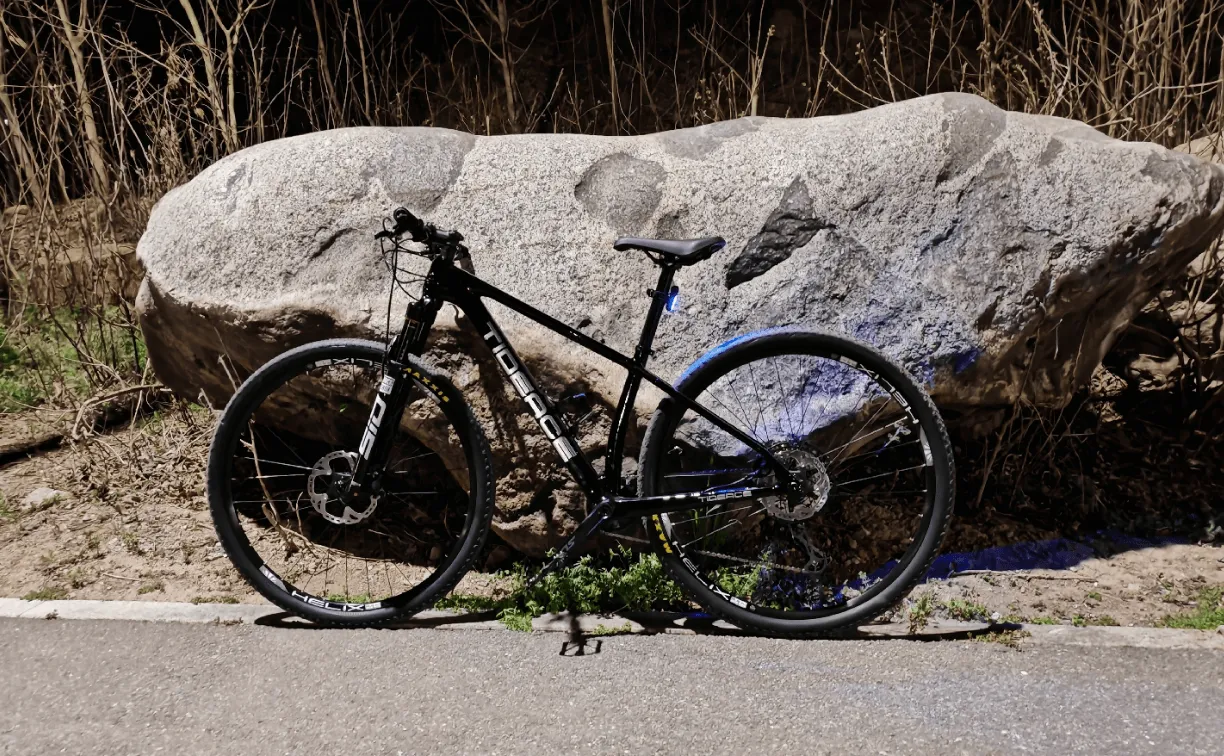
Whether you’re a weekend trail rider or a speed-seeking enduro enthusiast, your trust in a carbon fiber MTB bike frame often hinges on its durability. Many cyclists complain on forums, “Carbon frames are light, but I’m afraid of crashes.”
But the reality is far more complex. From the structural strength of the frame for MTB to the lamination design and stress distribution of the carbon fiber frame MTB, these details hidden in the manufacturing process truly determine the frame’s durability and safety. Below are four common concerns among cyclists, and also the questions we, as manufacturers, are most frequently asked.
1.1 Fear of Cracking and Damage
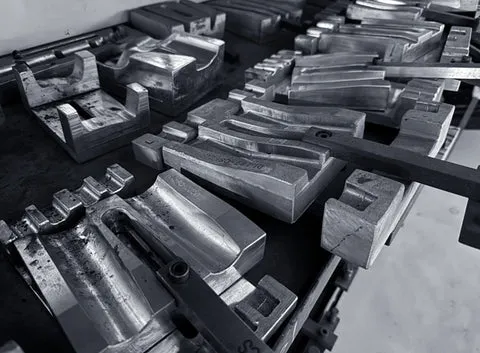
Many riders worry that crashes, jumps, drops, or rock hits on technical trails will cause the carbon fiber MTB bike frame to crack instantly. In reality, modern carbon fiber frames are no longer just synonymous with “lightness.” By improving the resin system, strengthening the impact resistance zone (especially the downtube and bottom bracket areas), and combining CNC molds with multi-directional carbon layup technology, the impact resistance of carbon frames has been significantly improved.
Compared to traditional aluminum alloy or steel frames for MTB, carbon fiber materials have better stress distribution capabilities and will not undergo permanent deformation like metals. The “crack check” or “tap test” often mentioned by professional cyclists is actually industry jargon used to detect microcracks, and high-end factories typically use ultrasonic inspection during the production stage to eliminate such potential problems in advance.
1.2. Long-Term Service Life and Fatigue Concerns
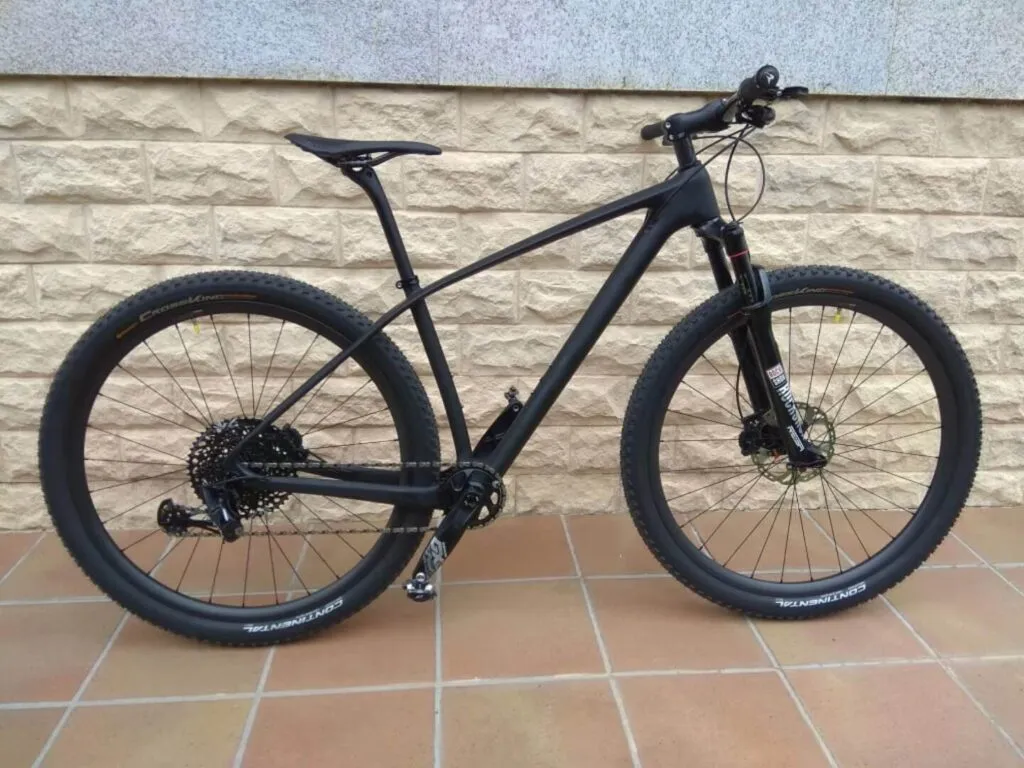
Another common question is: How long can an MTB carbon frame last?
Many cyclists have heard that carbon frames “age after a few years of riding,” but this is a misunderstanding of the concept of “fatigue limit.” Unlike metals, carbon fiber does not gradually fatigue due to repeated stress; instead, its lifespan depends more on fiber orientation, epoxy quality, and curing temperature control.
Our tests (including ISO 4210 fatigue test and 20,000+ pedaling load simulations) verified that high-end bike frame MTB maintains stable rigidity and strength even after 5-10 years of high-frequency use. In other words, manufacturing process, not the material itself, is the key to lifespan.
1.3. Repairability and Cost Concerns
“A cracked carbon frame is a total failure” is an outdated notion.
In reality, localized cracks in carbon fiber frame MTB can be repaired, but this requires specialized equipment and carbon fiber overlay techniques. Common carbon repair shops in Europe and America use vacuum bagging repair kits and resin curing technology to restore strength without altering the geometry.
As the manufacturer, we provide official repair solutions based on the crack location and stress direction, sometimes even achieving “factory-level repair” by replacing specific molds or reinforcing patches. Furthermore, a reliable warranty policy greatly reduces user concerns—after all, nobody wants to hear a “crack” at the end of a trail ride.
1.4. Concerns about Weight, Stiffness, and Comfort
Many people choose MTB carbon frames because they are lightweight, but worry that excessive stiffness will lead to a “too stiff and uncomfortable” ride.
In fact, modern MTB frames have achieved a balance between stiffness and comfort through geometric design and carbon layup tuning. Engineers adjust the bottom bracket stiffness and seat stay flex zone for different riding styles (XC, trail, enduro) to ensure sufficient responsiveness for riders during intense descents.
Some manufacturers even use “tuned compliance” design—adding directional carbon fiber layers to the downtube and rear stays for comfortable riding feedback. For riders who prioritize climbing efficiency, such MTB bike frames are not only lightweight but also provide precise response to every pedal stroke.
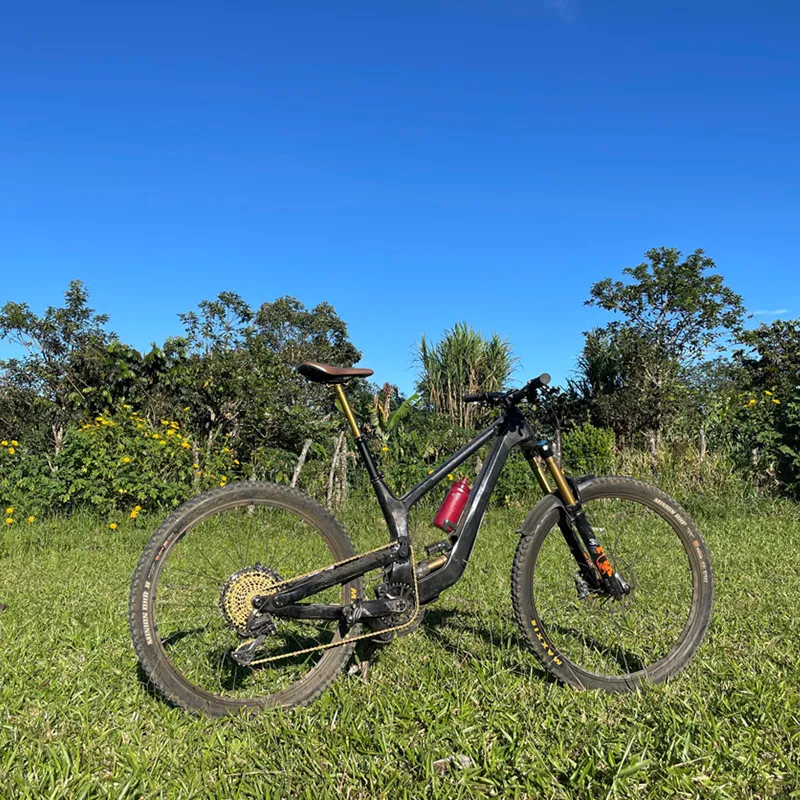
How We, as Manufacturers, Address These Issues
Faced with riders’ various concerns about carbon fiber MTB bike frames, we understand that only through comprehensive control from source to end can we truly earn trust. From the selection of carbon fiber raw materials and the engineering design of the geometry, to fatigue testing, customer customization, and after-sales support, every step is crucial to the frame’s safety and user experience. The following four aspects are our core methods for making MTB carbon frames more reliable and “ride-proof.”
2.1. Premium Materials and Rigorous Testing
A high-quality carbon fiber frame MTB begins with material selection. We use Toray T800/T1000 grade carbon fiber, combined with an aerospace-grade resin system, to ensure higher impact resistance and fatigue strength.
Each bike frame MTB undergoes ISO 4210 fatigue testing, 100,000-cycle load simulation, and UV-aging testing before leaving the factory. In addition, we perform destructive testing on key structures (such as the head tube, BB shell, and chainstay), commonly known in the industry as “break-to-trust,” to ensure that every frame can withstand real-world abuse.
| Material / Test | Specification / Standard | Purpose / Benefit | Notes / Industry Term |
|---|---|---|---|
| Carbon Fiber (T800/T1000) | Aerospace-grade prepreg | High strength-to-weight ratio, improved impact resistance | High-modulus fibers |
| Resin System | Epoxy / high-temp cure | Ensures layer adhesion, fatigue resistance | Resin layup |
| ISO 4210 Fatigue Test | 100,000 cycles, multi-load | Simulates long-term pedaling stress | Fatigue strength |
| Impact Resistance Test | Drop test / Rock strike simulation | Verify crash durability | Impact zone test / crush test |
| UV Aging Test | 500h UV exposure | Ensures material stability under sunlight | UV degradation check |
| Destructive Test (Break-to-Trust) | Head tube / Down tube / BB shell | Confirms maximum load capacity | Industry blackword: “crack check” |
2.2. Precision Engineering and Structural Optimization
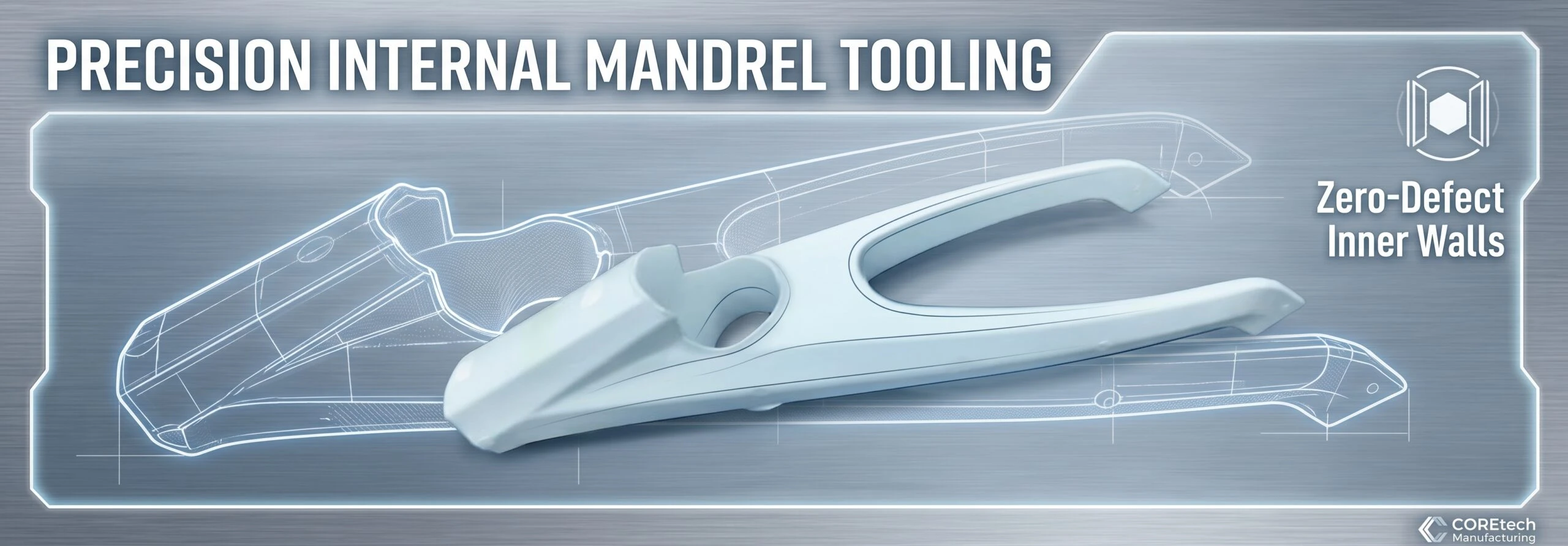
The soul of the high-performance frame for MTB lies in its geometry and structure. Our engineers use FEA (Finite Element Analysis) to simulate riding stress points, optimizing stress paths and fiber orientation to achieve a more balanced stress distribution.
Simultaneously, the carbon layup schedule employs a multi-angle layup and reinforced patch design to reduce the risk of micro-cracks. Through adjustments to the tuned flex zones of the seatstay and down tube, the MTB carbon frame achieves both rigidity and compliance, resulting in a balanced handling feel for both climbing and descending.
2.3. Customization and Rider-Specific Solutions
We offer customized carbon fiber MTB bike frame solutions for different riding styles, including geometry setup, stiffness rating, and custom paint jobs.
Riders with specific height or riding posture requirements can choose custom sizes, tube types, or lay-up structures to achieve a more precise riding experience while maintaining weight advantages.
Customization not only makes the frame for MTB fit individual riding styles but also reduces stress concentration and the risk of fatigue injuries—the core of the “engineered comfort” concept.
2.4. Comprehensive After-Sales Support and Warranty
High-end MTB carbon frames not only offer outstanding performance but also provide peace of mind for owners. We offer a complete warranty system, including a 2-5 year structural warranty and lifetime technical support.
Our after-sales team provides professional maintenance advice, such as torque spec checks, clamp zone inspections, and UV coating maintenance, to help users extend the life of their frames.
Furthermore, we partner with multiple carbon repair centers to offer original equipment manufacturer (OEM) certified repair solutions, ensuring that any potential problems are addressed promptly and safely.
Conclusion & Rider Tips
After more than a decade of real-world testing and engineering validation, we’ve found that an excellent carbon fiber MTB bike frame is far more than just “light” and “cool.” Its core value lies in: precise geometry setup, high-modulus carbon fiber lamination engineering, and rigorous fatigue testing procedures. These factors collectively determine the frame’s durability, responsiveness, and safety in real-world riding.
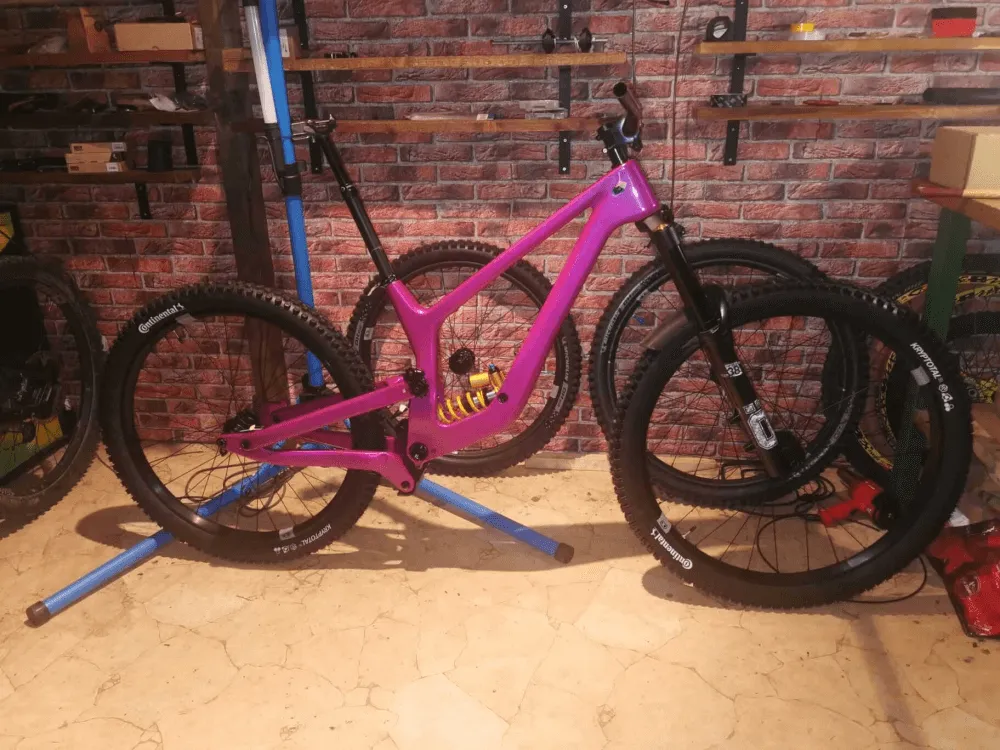
For riders, regular inspection and maintenance are key to extending the lifespan of your MTB carbon frame. We recommend performing a tap test or light inspection every few months, checking for hairline cracks in the downtube, bottom bracket (BB shell), and seatpost clamp area. Avoid using excessive torque clamps or direct exposure to high-temperature heat sources; these are known as “frame killers” among experienced riders.
When choosing an MTB frame bike, prioritize brands or manufacturers that have passed ISO testing and certification and offer warranty support. A high-quality carbon fiber frame MTB not only significantly improves pedaling efficiency and control precision, but also maintains structural stability after crashes or high-intensity trail riding.
Ultimately, a bike frame MTB that is meticulously engineered, rigorously tested, and manufactured by a reliable company deserves the trust and investment of every rider. After all, true performance improvements often come from those unseen but perceptible details. If you’re looking to customize your own carbon MTB frame or need professional guidance on frame design, feel free to reach out — our engineering team is always ready to help you build the perfect ride.