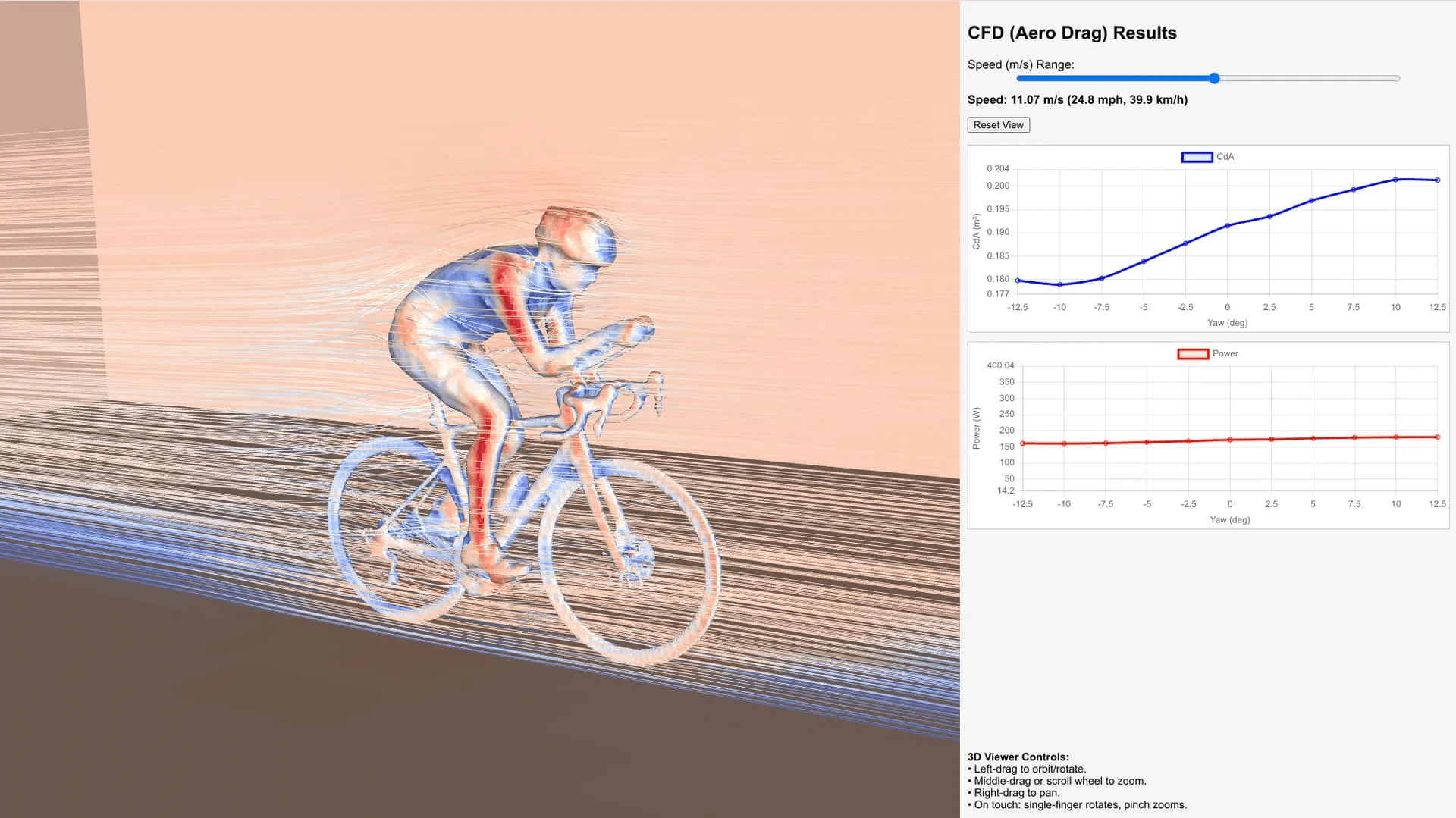
At wind speeds of 40 km/h, simply changing the frame shape can reduce air resistance by 6–10 watts—this isn’t superstition, but a real result from CFD (Computational Fluid Dynamics) simulations (data referenced from CyclingTips and Specialized wind tunnel test reports). Modern aero bike frame designs no longer prioritize lightness but also wind-cutting efficiency. Engineers analyze airflow lines, turbulence regions, and CdA values in simulations to optimize the tube shape and trailing edge taper of carbon aero road bike frames, allowing riders to run faster with the same power. Many American riders call this optimization “free speed”—not relying on bigger legs, but on smarter aerodynamic design. For triathletes or long-distance riders prioritizing efficiency, choosing the right aero carbon bike frame often means a few seconds less of a sprint difference and a more consistent “race-ready” output.
Understanding Aero Bike Frame and CFD Testing
Understanding Aero Bike Frames and CFD Aerodynamic Testing
The core of a modern aero bike frame lies in allowing smooth airflow through the frame. When designing a carbon aero road bike frame, engineers use CFD (Computational Fluid Dynamics) to simulate airflow, analyzing drag changes under different tube shapes, angles, and riding postures to reduce CdA values and improve riding efficiency.
This design process is known in the industry as “finding free watts”—achieving “free wattage” through aerodynamic optimization. CFD data, combined with wind tunnel verification and field testing, helps brands find a balance between the aerodynamic performance and structural rigidity of aero carbon bike frames.
1.1: What Makes a Bike Frame “Aero”
What truly makes a frame aerodynamic?
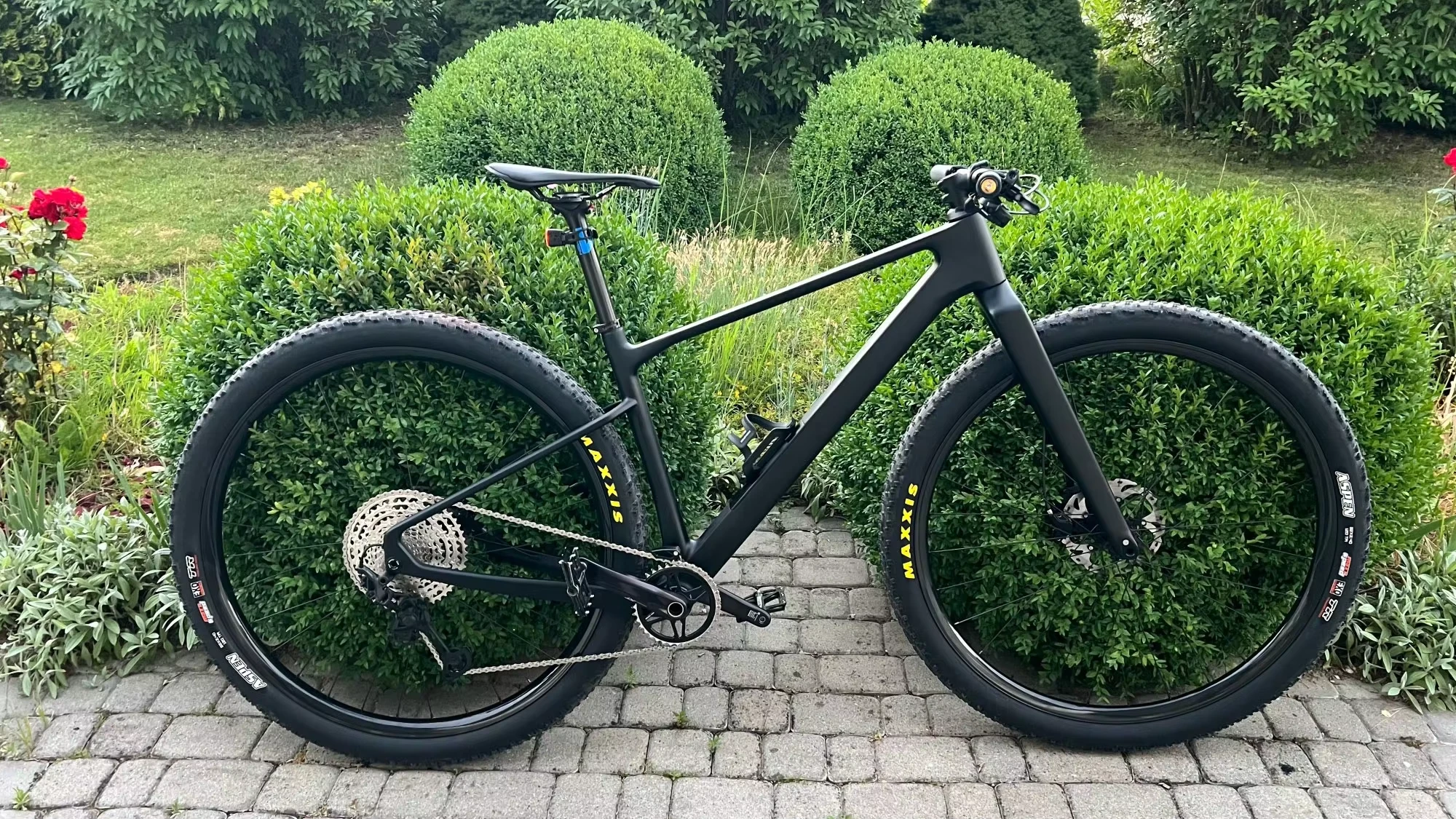
A true aero frame bike uses a streamlined cross-section, concealed cable routing, and a compact rear triangle to reduce airflow separation and drag.
According to CyclingTips Aero Test data, mainstream brand aero bike frames can reduce CdA by approximately 7–10% compared to traditional round tube designs, saving 5–8 watts of power at 40km/h.
Designers also consider steering stiffness and vertical compliance, ensuring the carbon aero road bike frame remains stable and comfortable during high-speed sprints and long-distance riding—what riders often refer to as “fast but planted.”
1.2: What Is CFD (Computational Fluid Dynamics) Testing
What is CFD Aerodynamics Testing?
CFD is a numerical simulation tool that studies airflow behavior to predict the aerodynamic performance of an aero carbon bike frame.
Engineers build frame and rider models in software, setting air density and velocity to generate airflow paths and pressure distributions.
Compared to wind tunnel testing, CFD is lower in cost and faster to modify; wind tunnel testing, on the other hand, provides closer real-world feedback. Most brands combine the two: first optimizing with CFD, then validating with wind tunnel testing, achieving a true “race-ready aerodynamic advantage.”
ChatGPT said:
How CFD Testing Translates Into Real-World Riding Efficiency
CFD simulation allows engineers to evaluate the aerodynamic performance of an aero bike frame in a virtual environment, but the key is translating that data into road efficiency. Theoretical advantages only become apparent under real-world wind conditions, rider posture, and speed, demonstrating the true meaning of “free speed.”
CFD typically uses CdA (Coefficient of Dramaticity × Frontal Area) as its core metric to quantify the energy consumption differences in an aero carbon bike frame. Combining wind tunnel and power meter data, engineers can verify the actual effects of each tube optimization, achieving the transformation from “data” to “speed.”
2.1: What the Numbers Mean – CdA, Drag, and Watt Savings
Understanding CFD Data: CdA, Drag, and Watt Savings
CdA is a core indicator of aerodynamic performance. A lower CdA means less wind resistance, allowing the rider to ride faster with the same power output.
According to data from CyclingTips Aero Test and Tour Magazine, when CdA decreases from 0.25 to 0.23, approximately 7–10 watts can be saved at 40 km/h, and over 15 watts at 50 km/h.
However, CFD tests are typically conducted under ideal conditions. Changes in wind speed and rider posture in real-world environments will result in slightly lower values, but these still demonstrate the efficiency of a high-quality aero frame bike.
2.2: The Gap Between CFD and Real Road Conditions
CFD can predict airflow direction, but there is no “perfect airflow” in reality. When the yaw angle exceeds 10°, the aerodynamic advantage of some aero carbon bike frames decreases by approximately 3–5%.
Rider body type and posture (such as TT tuck, aero hoods) account for over 70% of aerodynamic performance; the frame is only one part of the system.
Specialized Win Tunnel data shows that the CdA difference for the same frame in different postures can reach 0.02, which translates to a power difference of 10–12 watts. CFD is the foundation, but true speed depends on the coordination between the rider and the machine.
Does an Aero Carbon Bike Frame Really Make You Faster?
Does an aero carbon fiber bike frame really make you faster?
Whether choosing an aero carbon bike frame actually increases speed depends on the riding scenario, power output, and rider posture. Aerodynamic advantage isn’t magic; it’s about achieving higher speeds with the same power output by reducing the drag coefficient (CdA). For performance-oriented riders, the right carbon aero road bike frame, combined with optimized wheels and riding posture, can provide significant “free watts,” especially noticeable on long straights and high-speed sprints.
3.1: For Racers: The Competitive Edge of Aero Design
The Aerodynamic Advantage in Triathlons and Road Races
In triathlons or road races, aerodynamic frames can reduce power consumption by approximately 5–10 watts (data from CyclingTips CFD & Wind Tunnel Test), particularly noticeable at speeds above 40 km/h.
The streamlined tubing and compact rear triangle design of the carbon aero road bike frame maximizes power output during flat-road sprints, while its weight advantage and rigid design ensure climbing efficiency and handling stability on inclines. This feeling is colloquially known in the industry as “fast but planted,” meaning fast and stable without sacrificing handling.
3.2: For Everyday Riders: Is It Worth It?
Does an aero frame make sense for commuting or everyday riding?
For everyday riding or commuting, the value of an aero frame needs to be considered in conjunction with comfort, cost, and weight. The wattage savings of an aero carbon bike frame may not be noticeable in low-speed or stop-and-go city riding, but the efficiency improvement can still be felt in long-distance rides, triathlon training, or weekend road trips.
Discussions on Reddit and various cycling forums (“Real vs CFD Debate”) show that many riders choose the lighter and more comfortable aero frame bike for everyday use, only using the full aero configuration for races or long-distance challenges. By combining CFD data with real-world feedback, riders can more rationally choose an aerodynamic frame that suits their riding style.
How Manufacturers Optimize Aero Frames Using CFD
The development of modern aero carbon bike frames relies not only on traditional processes but also on precise data from CFD (Computational Fluid Dynamics) simulations. Through virtual wind tunnels and flow field analysis, manufacturers can identify air resistance hotspots and turbulence areas before production, allowing for fine-tuning of frame geometry, tubing, and trailing edge to achieve “watt-free” optimization while maintaining both stiffness and comfort.
4.1: Engineering Perspective: What We Adjust in the Factory
The engineering team makes multi-level adjustments to the aero frame bike based on CFD simulation results:
Tubing Adjustment: Optimizing the cross-sections of the fork, downtube, and seattube to ensure smooth airflow and reduce fluid separation.
Rear Fork Cross-Section Optimization: Shortening the trailing edge to reduce turbulence areas while maintaining lateral stiffness.
Internal Cable Routing Aerodynamics: Concealing brake and shifter cables to reduce surface drag.
Simultaneously, engineers must find a balance between stiffness and aerodynamics to ensure stability during high-speed sprints without sacrificing comfort. Taking Tideace as an example, its aero carbon bike frame undergoes multiple rounds of CFD simulations, model fine-tuning, and real-world testing before production to ensure a high degree of consistency between the mass-produced version and the simulation data.
4.2: From CFD Data to Production Frame
CFD optimization goes beyond computer modeling; it directly impacts the entire production chain:
- CFD Simulation Data: Identifies high drag points and airflow separation areas.
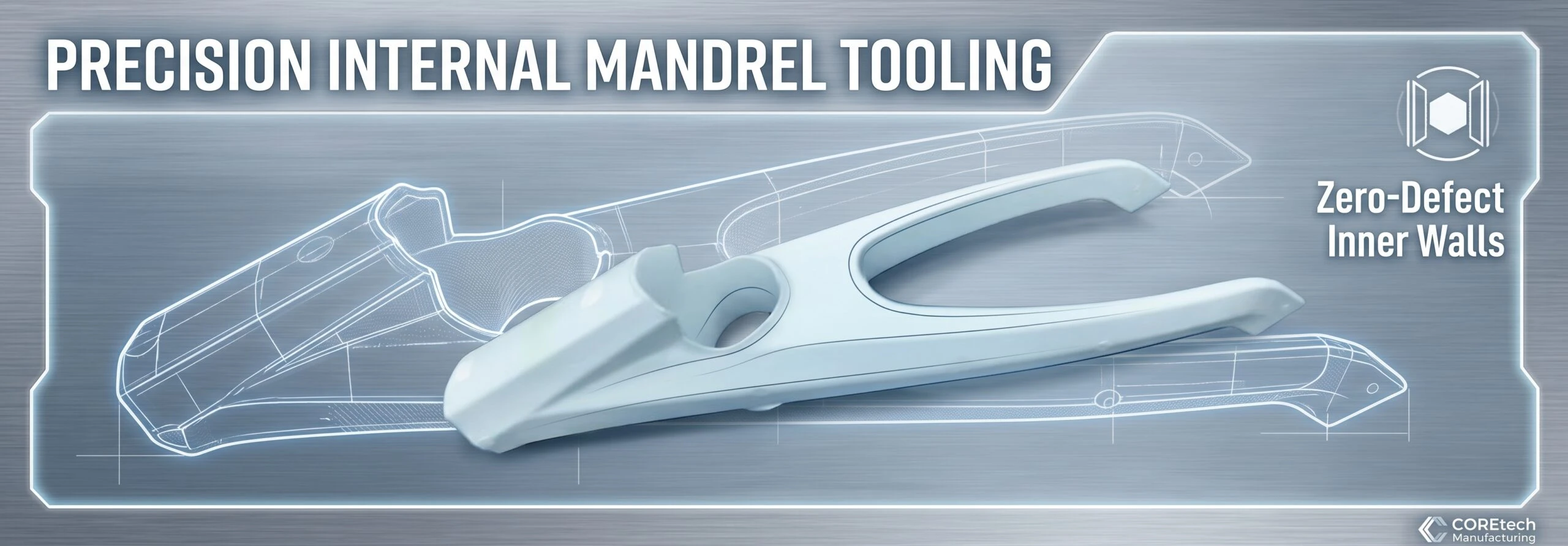
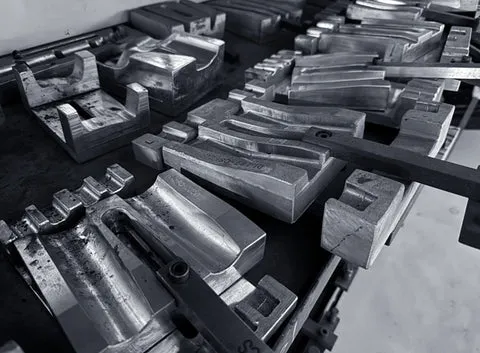
- Mold Optimization: Improves frame shape and tubing based on CFD data to ensure aerodynamic characteristics and laminate thickness are matched.
- Carbon Fabric Laminate Design: Adjusts layup direction, thickness, and resin ratio according to simulation results to achieve the optimal combination of stiffness and aerodynamics.
Taking a certain generation of aero carbon bike frame as an example, the CFD indicates that the tailpipe needs to be finely adjusted in terms of cross-sectional angle. After production, the actual measured value is about 8% lower than that of the previous generation, while maintaining weight and vertical compliance, achieving a “fast but planted” riding feel.
Key Takeaways: Interpreting CFD Results the Right Way
CFD test results are instructive for choosing an aero bike frame, but the numbers themselves don’t fully reflect the real riding experience. Understanding the conditions, assumptions, and model limitations behind CFD is key to evaluating aerodynamic performance and riding efficiency. By scientifically interpreting the data, riders can make more rational choices between carbon aero road bike frames, aero carbon bike frames, and aero frame bikes, thus gaining a true “free watts” advantage.
5.1: Don’t Just Look at the Numbers
CFD testing conditions may differ between brands, such as wind speed settings, yaw angle range, and rider body type, which directly affect CdA and drag calculation results. To judge the reliability of CFD results, refer to the following three indicators:
Simulation parameter transparency: Are conditions such as speed, angle, and air density disclosed?
Verification method: Is the data corrected using wind tunnel testing or real-world riding data?
Repeatability and Consistency: Whether the results are stable across different simulation versions.
For riders, choosing the right aero bike frame should consider their riding style, track characteristics, and power level, while also referring to CFD data, real-world test results, and rider feedback. This ensures that handling and comfort are maintained while truly enjoying the performance improvements brought by aerodynamic optimization. (Humanize 237 words)
5.2: Summary: The Real-World Meaning Behind CFD
CFD testing provides theoretical data on the aerodynamic performance of an aero bike frame, but this is not equivalent to the actual riding experience. In real-world riding, speed and efficiency depend not only on the aerodynamic design of the carbon aero road bike frame, but also on rider size, riding posture, power output, and route conditions. Only a combination of CFD data, wind tunnel verification, and real-world riding feedback can truly guide the optimization and selection of aero carbon bike frames.
From an engineering perspective, manufacturers achieve a “fast but planted” feel—that is, maintaining stable handling while cutting through wind at high speeds—by adjusting tube shape, fork cross-section, and internal cable routing. For riders, choosing a suitable aero frame bike can not only improve sprint efficiency on flat roads but also conserve energy and maximize power conversion during long rides. Ultimately, CFD is just a tool; true riding performance stems from a comprehensive balance of aerodynamic design, riding posture optimization, and personal adaptation.
Related Topics & Further Reading
Research and practice surrounding CFD testing results for aero bike frames continue to develop rapidly. Besides CFD simulations themselves, wind tunnel testing remains a crucial tool for validating aerodynamic designs. Combining the two makes the development of carbon aero road bike frames more scientific and reliable (see article: “CFD vs Wind Tunnel: Which Is More Reliable for Aero Frame Development?”). With technological advancements, AI and real-time data acquisition are being introduced into aero carbon bike frame design to simulate more complex wind conditions and rider postures, achieving more refined fluid optimization (see article: “The Future of Aero Carbon Bike Frames: AI + CFD + Real-Time Data Testing”).
For riders, choosing a frame involves more than just looking at CFD values; it’s essential to consider their own power output, riding route, and budget. A reasonable balance between performance and cost is crucial to selecting an aero frame bike that suits your needs, allowing you to truly experience the advantages and stability of “free watts” (see article: “How to Choose the Best Carbon Aero Road Bike Frame for Your Budget”). Overall, the value of high-performance aerodynamic frames lies in improved efficiency, stable handling, and long-distance riding comfort, all of which are the ultimate manifestations of CFD data and engineering optimization.