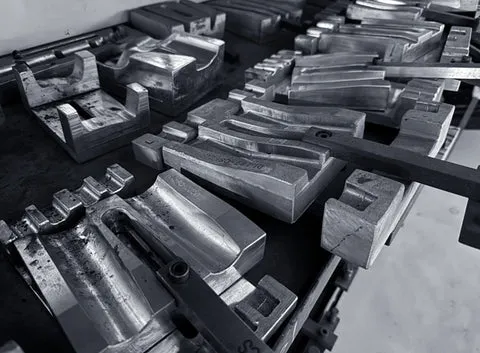
Carbon triathlon bike frames in 2026 are trending towards greater efficiency and environmental friendliness. According to Haideli Bikes, frame designs in 2026 will place greater emphasis on aerodynamic performance, carbon fiber innovations, intelligent features, personalized fit, and the use of environmentally friendly materials.
In terms of materials, a growing number of high-end triathlon frames are utilizing recycled carbon fiber and environmentally friendly resins to ensure rigidity and lightweight while reducing the environmental impact of production. This practice, known in the industry as “green carbon,” not only aligns with sustainability trends but also enhances brand image and rider engagement.
Furthermore, durability and repairability have become key considerations in modern TT frame design. By optimizing carbon fiber layup and using high-strength composite materials, the frame’s lifespan is significantly extended while reducing waste. Some brands are also introducing modular, replaceable components, known in the industry as “long-life design.” This approach is both environmentally friendly and cost-effective, making it particularly suitable for frequent triathletes.

Overall, triathlon bike frames in 2026 will combine optimized aerodynamics, lightweight carbon fiber, intelligent features, customizable geometry, and environmentally friendly materials to provide cyclists with a more efficient and comfortable racing experience. Whether competing in a full or half Ironman, choosing the right frame will be crucial for optimal performance.
Understanding Different Types of Triathlon Bike Frames
Choosing the right triathlon frame not only impacts riding efficiency but also determines your performance. Triathlon frames available in 2026 range in design from comfort-oriented to aerodynamic, each with its own specific application. Understanding geometry, materials, and aerodynamic performance will help athletes choose a frame based on their racing goals and riding style. The following describes three main types: standard, aero, and aero with integrated storage.
1.1: Standard Triathlon Frame
Features: Comfortable geometry, a slightly higher center of gravity, and excellent riding stability. Known in Europe and the United States as a “classic TT frame” or “comfort tri frame,” this frame emphasizes endurance and stability over extreme speed.
Suitable for: Beginners, half-marathoners, or those primarily training. Standard triathlon bicycle frames are compatible with a wide range of wheel brands and gearing systems, lowering the barrier to entry.
Pro Tip: Pay attention to the frame stiffness-to-weight ratio to ensure comfort while maintaining pedaling efficiency.
1.2: Aero Triathlon Frame/Aero Triathlon Bike Frame
Features: Flat or airfoil-shaped tubes optimize aerodynamic drag, with adjustable saddle and stem. Known in the industry as an “aero TT frame” or “speed-focused tri frame,” this frame emphasizes saving every watt.
Useful for: Full-distance triathlon or competitive athletes who demand high efficiency over long distances. Aero triathlon frames can be paired with deep-rim wheels, power meters, and integrated hydration systems.
Pro Tip: Precisely tune the geometry and riding position to ensure efficiency gains without sacrificing comfort or endurance.
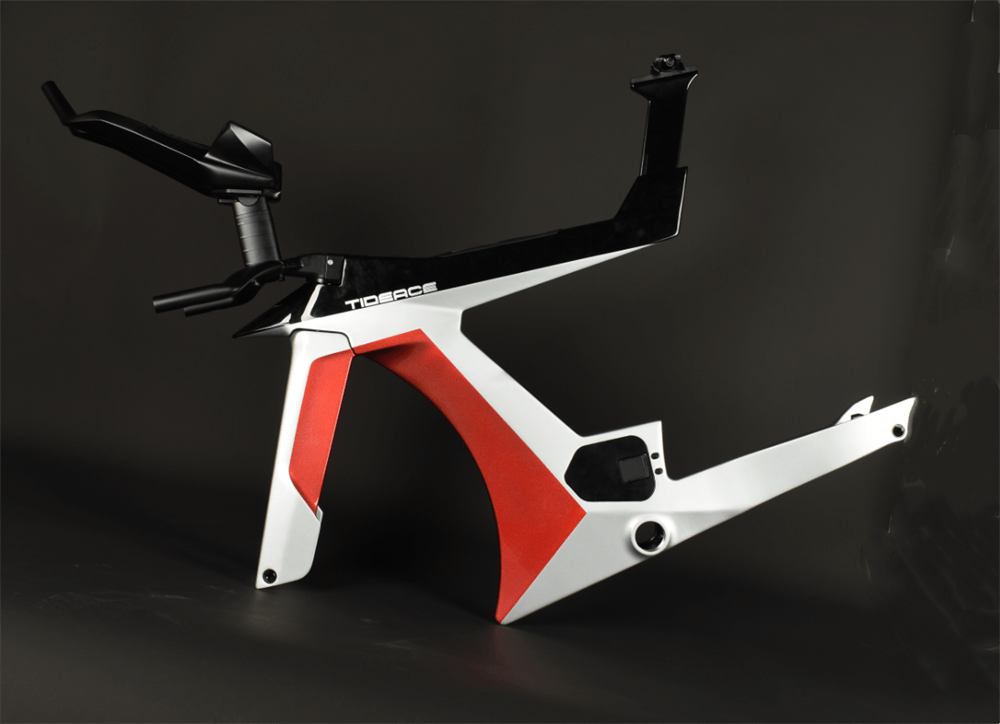
1.3: Aero Triathlon Bike Frame with Integrated Storage
Features: Aerodynamic optimization while adding storage systems, such as integrated water bottle or supply compartments, to maintain a streamlined design. Our TT968 triathlon frame exemplifies this concept, combining advanced aerodynamics with practical integration for serious racers.
Advantages: This allows you to carry energy gels, drinks, and tools during long races without external storage, reducing wind resistance. Known in the industry as a “race-ready integrated storage aero frame,” it’s popular in long-distance races and professional training across Europe and the United States.
Pro Tip: Pay attention to the weight distribution and accessibility of the storage to ensure it doesn’t affect aerodynamics or your pedaling position.
The Importance of Choosing Carbon Fiber
Carbon fiber has become the material of choice for high-performance triathlon bikes. Its lightweight, stiffness, and customizable geometry enable cyclists to achieve greater efficiency during long-distance events. Whether competing in a full or half Ironman, a carbon triathlon bike frame offers improved power transfer and aerodynamic advantages. Modern carbon fiber frames are also designed to balance comfort and durability, meeting the demands of both daily training and competition. The following will provide an in-depth analysis of three key aspects: lightweight and stiffness; comfort and vibration damping; and durability.
2.1: The Lightweight and Stiffness Advantages of Carbon Fiber Frames
Features: Carbon fiber significantly reduces frame weight while maintaining an excellent stiffness-to-weight ratio. In European and American competitions, this design, often referred to as a “race-grade carbon frame” or “high-modulus TT frame,” significantly improves climbing efficiency and acceleration response.
Advantages: Lightweight not only reduces climbing burden but also optimizes power transfer and improves pedaling efficiency. For athletes who need to maintain high power output during Ironman or 70.3 events, choosing a high-modulus carbon fiber triathlon bicycle frame can deliver significant performance gains per watt.
2.2: Comfort and Vibration Absorption of Carbon Fiber Frames
Features: Carbon fiber frames achieve localized elasticity through optimized tube layup and resin, absorbing road vibrations. These zones, commonly known in the industry as “compliance zones,” are used to reduce fatigue during extended rides.
Benefits: They effectively reduce stress on the shoulders, neck, wrists, and waist, allowing cyclists to maintain stable power output during long-distance events. Aero triathlon frames not only strive for speed but also enhance endurance through optimized vibration absorption.
2.3: Durability and Daily Training Suitability
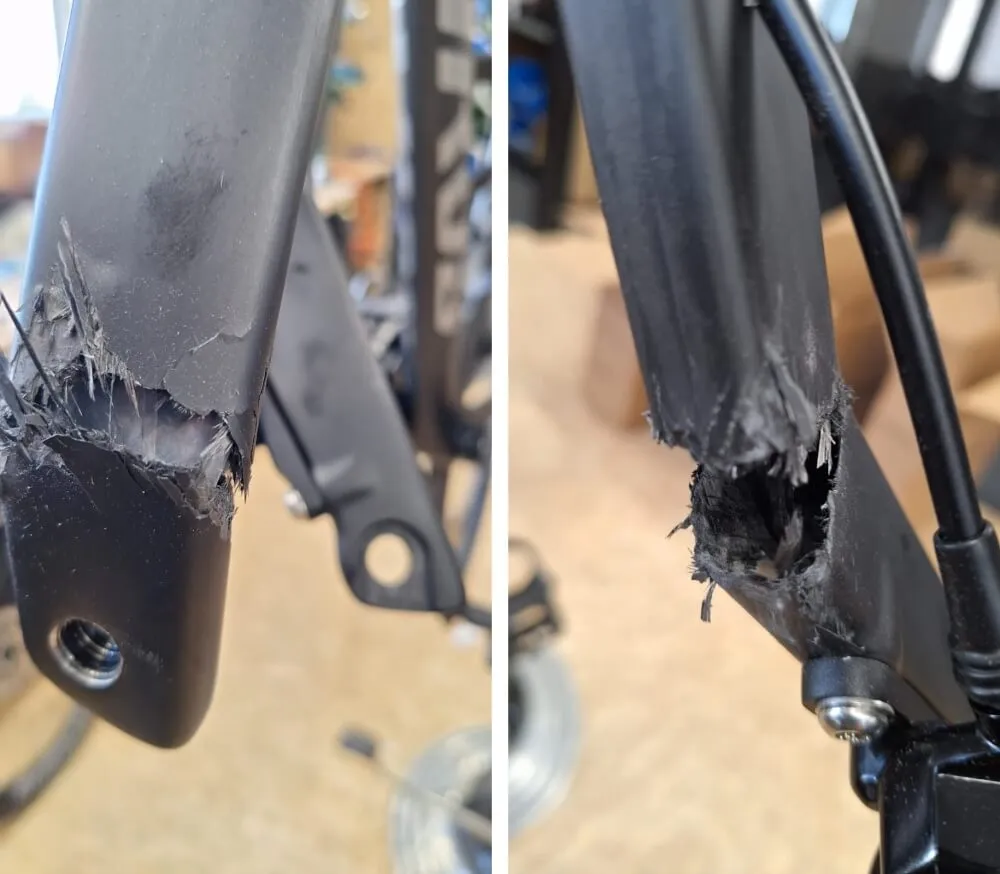
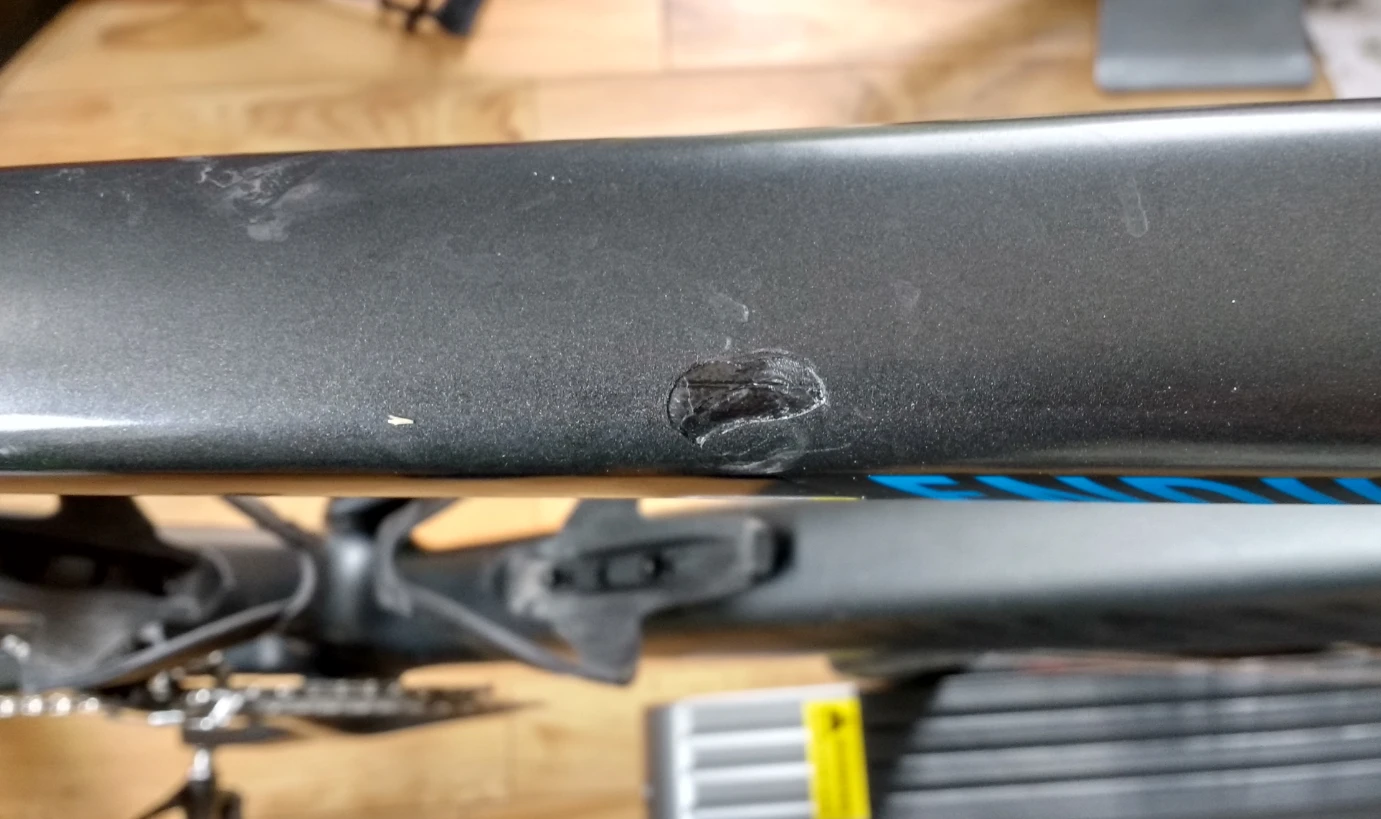
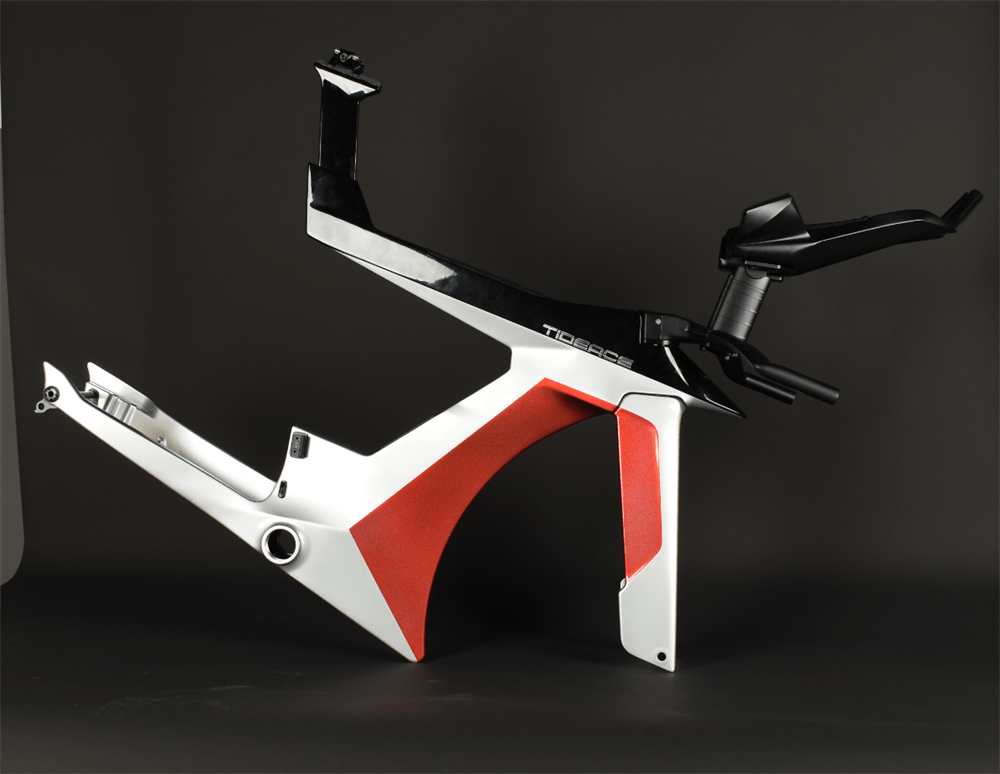
Features: High-quality carbon fiber frames utilize multiple carbon layups and high-strength composite materials for enhanced fatigue resistance and crashworthiness. In the European and American markets, these frames are also referred to as “endurance TT frames” or “long-life tri frames,” emphasizing their long lifespan and high training adaptability.
Benefits: Suitable for frequent training and racing, minimizing performance degradation due to frame wear. For athletes who train more intensively on a daily basis, choosing a durable carbon triathlon bike frame can ensure stable performance and lower maintenance costs.
Choose the Right Frame Based on Your Race Goals
Triathlons of different distances and types place varying demands on their frames. Choosing the right triathlon bike frame not only improves race efficiency but also enhances riding comfort and energy management. Athletes should consider their race length, intensity, and personal riding style, taking into account aerodynamics, comfort, and storage needs. Below is a detailed analysis of frame recommendations and considerations for sprint, half-distance, and full-distance Ironman races.
3.1: Sprint/Olympic
Recommended frame type: Standard or low-profile aerodynamic frame (lightweight/agile TT frame) for lightweight and agile handling.
Considerations: Sprint races prioritize acceleration and agility. A triathlon frame should offer a responsive, lightweight design and compact geometry to maintain efficiency in corners, sprints, and frequent shifting. Commonly known in the industry as a “race-ready sprint frame,” it maximizes every watt of power in shorter races.
3.2: Half-Ironman
Recommended Frame Type: A medium-to-stiff aero triathlon frame that balances aerodynamics and comfort.
Considerations: Half-Ironman races require maintaining speed for extended periods, making comfort and energy management equally important. The frame should offer compliance zones and optimized pedaling efficiency to ensure consistent power output even in the latter stages of the race. This type of frame is also often compatible with power meters and standard fueling systems.
3.3: Ironman/Long-Distance
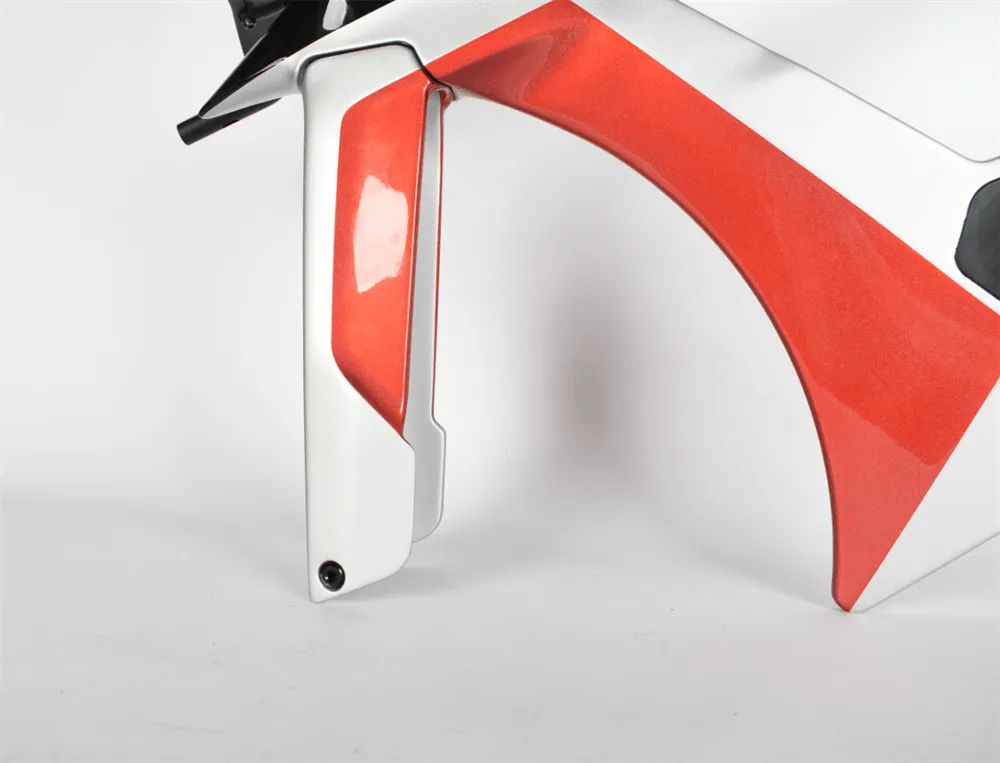
Recommended Frame Type: An aerodynamically optimized, long-distance aero triathlon bike frame with integrated storage.
Considerations: A full-distance Ironman race is long, making speed, stability, and fuel carrying crucial. The frame should optimize aerodynamic drag and feature built-in storage compartments (energy gel/hydration compartments) to support energy and tool storage during extended races. The industry calls this design an “endurance race-ready aero frame,” which can maintain high speed while taking into account endurance performance and practicality.
The Importance of Frame Size and Riding Posture
Choosing the right frame size and optimizing your riding posture are key to improving racing efficiency and comfort. Even with a top-tier carbon triathlon bike frame, an incorrect size or incorrect riding posture can lead to power loss, increased fatigue, and decreased performance in long-distance races. Therefore, in addition to focusing on aerodynamics and materials, athletes must precisely adjust details such as frame geometry, seat height, and stem angle to achieve optimal pedaling efficiency and racing experience.
4.1: Measure Your Body to Choose a Frame Size
Key Point: Before choosing a frame, measure your height, arm length, and leg length, and use a frame geometry chart to select the appropriate size. The terms “bike fit sizing” or “stack & reach matching” are commonly used in the European and American industry, emphasizing that the frame’s vertical height (stack) and horizontal reach (reach) are tailored to your body measurements.
Pro Tip: A properly sized ironman triathlon bicycle frame reduces pressure on the knees and lower back, improves pedaling efficiency, and maintains an aerodynamic position. We recommend using a professional sizing tool or performing an on-site fit to ensure a balance between riding comfort and performance.
| Measurement | How to Measure | Why It Matters | Pro Tip |
|---|---|---|---|
| Height | Stand straight against a wall, measure from floor to head top. | Determines general frame size range. | Always check manufacturer’s geometry chart (e.g., TT968) for precise sizing. |
| Inseam (Leg Length) | Measure from crotch to floor while barefoot. | Affects saddle height and pedaling efficiency. | Ideal for calculating standover height and seat tube fit. |
| Arm Length | Measure from shoulder to wrist bone. | Impacts reach and comfort on aerobars. | Helps optimize “reach” to avoid shoulder strain. |
| Torso Length | Measure from crotch to the base of the neck. | Affects upper body angle and aero position. | Balances comfort with aerodynamic efficiency. |
4.2: Adjusting Riding Position for Optimized Aerodynamics
Key Points: Saddle height and tilt directly impact pedaling efficiency and comfort; handlebar and aerobar setup determine the aerodynamic drag of the upper body.
Pro Tip: Athletes can achieve a “race position” or “time trial tuck” by fine-tuning the saddle’s fore-aft position and handlebar height to maximize power output while minimizing drag. When optimizing your posture, consider long-term riding comfort and avoid excessive stress on the shoulders, neck, wrists, and lower back.
Additional Features and Upgrade Options
In addition to frame type, material, and size, the additional features and upgrade options of modern triathlon frames are equally crucial. Choosing the right wheels, storage configuration, and upgradeable parts for different events can further enhance riding efficiency and performance. In European and American racing, the upgradeability and compatibility of a triathlon frame is known as a “modular upgrade” or “race-ready customization,” allowing riders to tailor their equipment to the race schedule, weather conditions, and personal preferences.
5.1: Wheel Compatibility and Compatibility
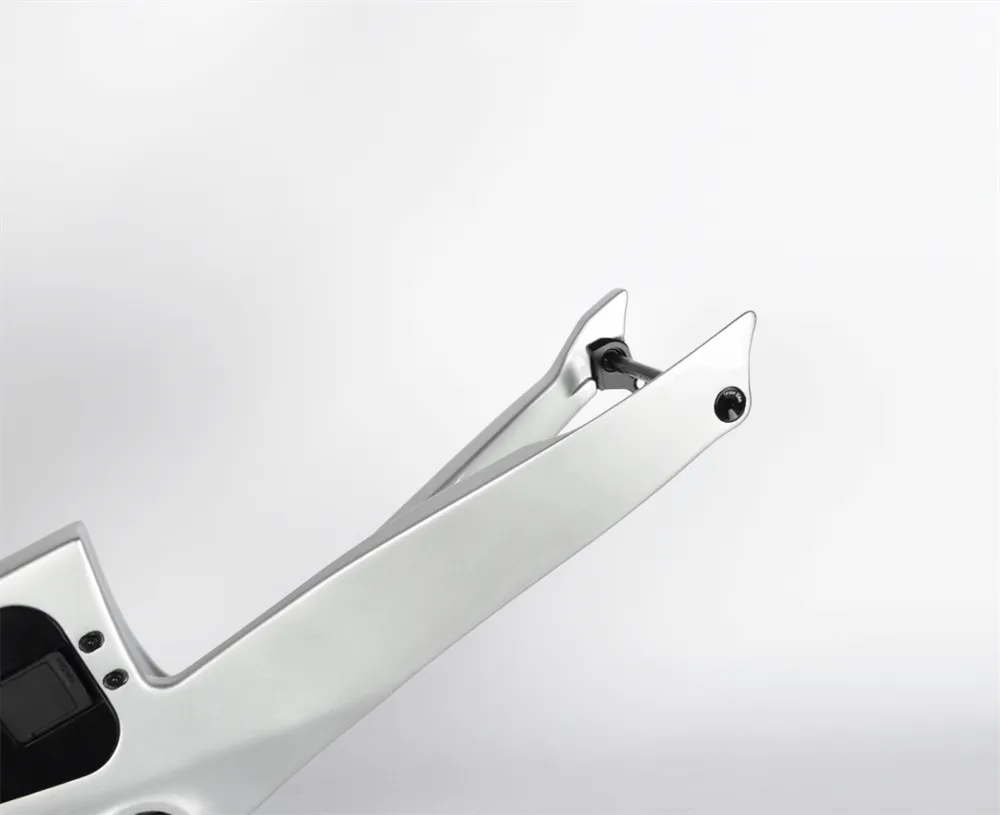
Key Point: Deep-section rims and aero wheelsets significantly reduce air resistance and increase cruising speed. When choosing a triathlon bicycle frame, be sure to check its wheel compatibility, including wheel diameter, thru-axle compatibility, and brake type.
Pro Tip: Wheel compatibility impacts not only aerodynamics but also handling and climbing performance. This is known in the industry as “wheel-to-frame optimization,” emphasizing the efficiency per watt of the frame and wheelset.
5.2: Integrated Storage and Bottle Cage Configuration
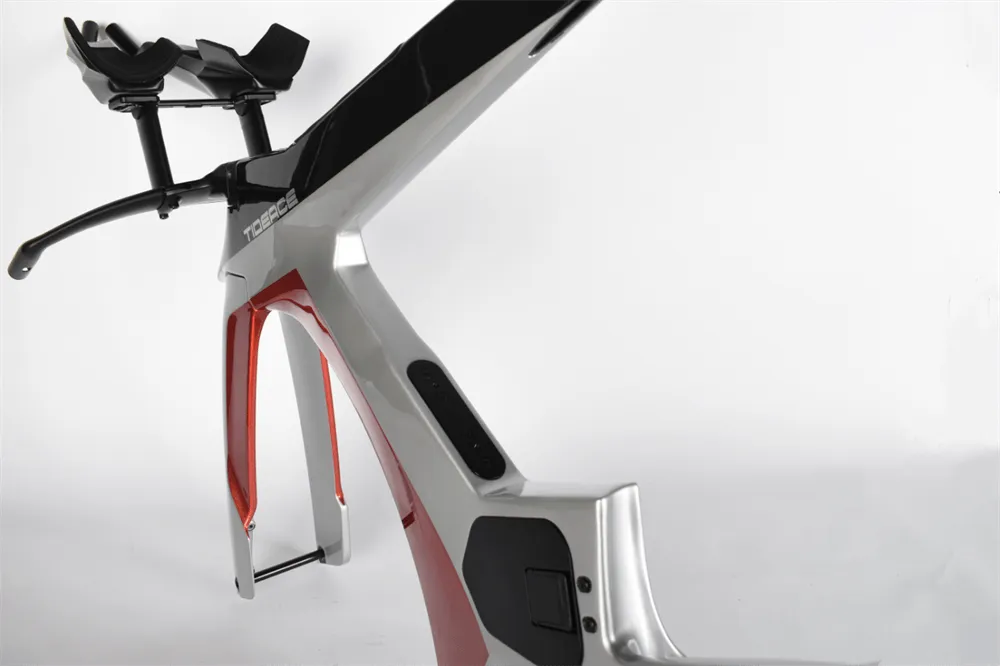
Key Point: Long-distance races require a sound nutrition and hydration strategy. An integrated storage system can accommodate energy gels, water bottles, and basic maintenance tools. Aero triathlon bike frames with integrated storage reduce aerodynamic drag while maintaining a streamlined design.
Pro Tip: The weight distribution and accessibility of a storage system are crucial to cycling efficiency. European and American riders often use the term “integrated storage aero setup” to describe a design that balances optimal aerodynamics and storage functionality.
5.3: Upgradeable Parts and Accessories
Key Point: Modern triathlon frames often support brake upgrades, groupset upgrades, and power meter integration.
Pro Tip: Modular component upgrades allow riders to optimize performance based on training goals or racing requirements while extending the life of the frame. The industry jargon “plug-and-play upgrade” emphasizes simple and efficient compatibility and operability.

Summary and Purchasing Recommendations
Choosing a triathlon frame requires a comprehensive consideration of race goals, materials, and features. For short-distance sprint/Olympic events, a lightweight and flexible race-ready sprint frame is recommended. For half-distance Ironman events, an aero triathlon frame that balances comfort and aerodynamics is ideal. For full-distance Ironman events, an aero triathlon bike frame with integrated storage is recommended, balancing speed, stability, and the need for carrying supplies.
Carbon fiber frames utilize a stiffness-to-weight ratio and compliance zones to enhance climbing, acceleration, and long-distance riding comfort. Optimizing frame size and riding position (stack & reach, saddle & handlebar setup) allows for a “race position” or “time trial tuck,” balancing efficiency and comfort.
Appropriate wheel matching, storage configuration, and modular upgrades (wheel-to-frame optimization and modular component upgrades) can further enhance efficiency and training adaptability. Taking these factors into consideration, athletes can achieve optimal performance and durability when selecting a triathlon bicycle frame / TT bike frame.