When choosing between a carbon fiber cyclocross bike and a carbon fiber gravel bike, it’s crucial to understand the design differences between the two. Cyclocross frames typically feature a higher bottom bracket and shorter chainstays, designed to provide greater ground clearance and more agile handling for navigating obstacles and tight turns on the trail. Conversely, gravel frames feature a longer wheelbase and lower bottom bracket, providing a more stable ride suitable for extended off-road rides.
Carbon fiber, due to its light weight and stiffness, is a popular choice for high-performance off-road bikes. But how tough is a carbon fiber gravel bike frame on rocky trails? The durability of carbon fiber frames on gravel surfaces has been a concern for many riders. According to discussions on the TrainerRoad forum, carbon fiber frames perform well on gravel surfaces, but care should be taken to avoid direct contact with sharp objects to prevent damage.

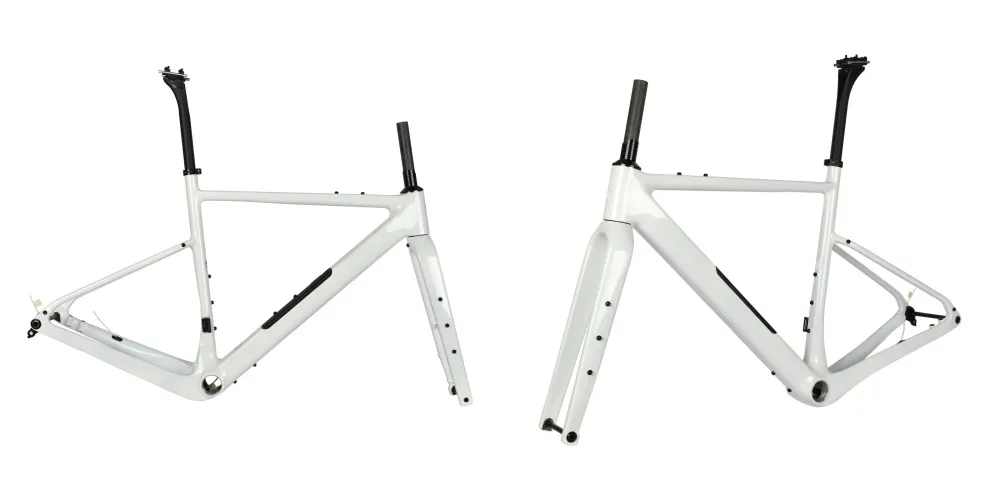
When choosing the right model, riders should consider their riding needs and budget. Cyclocross bikes are better suited for short, intense races, while gravel bikes are more suited for longer, comfortable off-road rides. For example, the Giant Revolt X Advanced Pro and HaideliBikes GV201 gravel race bike frame have both been praised for their excellent handling and comfort, with the GV201 offering a lightweight, stiff carbon frame optimized for competitive gravel racing.
In short, choosing the right bike should consider your primary riding purpose, budget, and frame material preferences. Whether you’re looking for speed and agility on a cyclocross bike or comfort and stability on a gravel bike, carbon fiber offers exceptional performance.
Here’s a quick comparison of key features between Cyclocross and Gravel bikes:
| Feature | Cyclocross Bike | Gravel Bike (Carbon Frame / Carbon Fiber Gravel Bike) | Notes / Usage Scenario |
|---|---|---|---|
| Frame Geometry | Short wheelbase, high bottom bracket | Long wheelbase, low bottom bracket | Cyclocross agile, Gravel stable and comfortable |
| Riding Position | Forward-leaning, sprint-oriented | Upright, suited for long-distance riding | Control vs Comfort |
| Tire Clearance | Narrow tires 30-35mm | Wide tires 40-50mm | Track-ready vs Gravel / Mixed Terrain |
| Mounting Points / Accessories | Basic bottle cage / fender mounts | Multiple mounting points, can add racks and seat packs | Bikepacking & Adventure-ready |
| Typical Usage Scenario | Short-distance high-intensity, technical tracks | Long-distance gravel roads, country trails, light off-road | Speed & control vs Long-distance comfort |
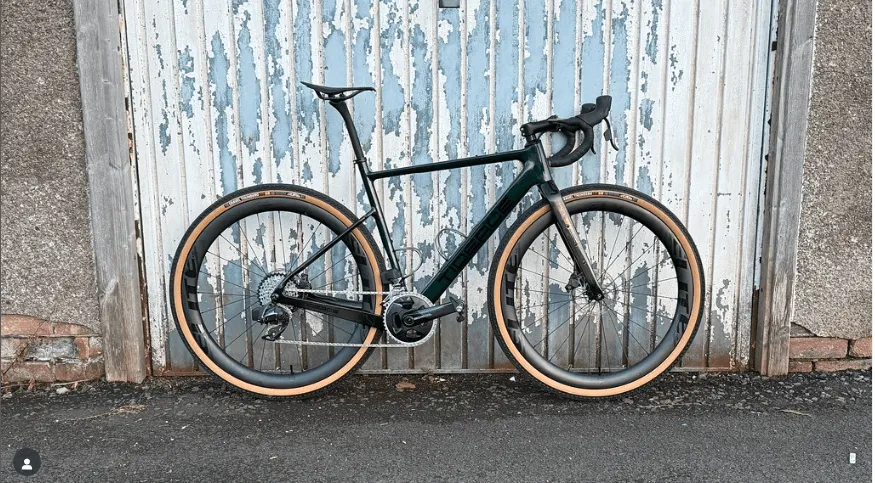
Design Differences Between Carbon Fiber Cyclocross and Carbon Fiber Gravel Bikes
Although both utilize lightweight carbon fiber frames, carbon fiber cyclocross and gravel bikes differ significantly in geometry, tire compatibility, and accessory support. Cyclocross bikes emphasize agility and handling, making them suitable for short, high-intensity rides or off-roading. Gravel bikes, on the other hand, prioritize long-distance stability and comfort, ensuring stability on gravel roads, country trails, and even light mud. Understanding these differences will help riders choose the right model and optimize their daily riding experience on a carbon frame or carbon fiber gravel bike.
1.1 Frame Geometry and Riding Position
Cyclocross bikes have short wheelbases and high bottom bracket heights, providing quick steering and increased ground clearance for tackling obstacles and tight corners. Gravel bikes have longer wheelbases and lower bottom brackets, and their geometry is designed for comfort and stability, reducing fatigue over long rides. Riding postures also differ: Cyclocross bikes lean forward, making them better suited for sprinting and climbing; gravel bikes are more upright, ideal for extended cruising. Optimizing the carbon fiber gravel bike layup balances lightness, stiffness, and vibration absorption.
1.2 Tire Clearance and Applicable Surfaces
Cyclocross bikes typically use narrow tires (30-35mm), suitable for dirt or grass tracks but lacking the room for gravel. Carbon gravel bikes or gravel bicycles support wider tires (40-50mm), suitable for gravel roads, country trails, and even light off-roading. Tire clearance directly impacts maneuverability, comfort, and grip, making it a key consideration when choosing a carbon fiber gravel bike.
1.3 Mounting Points and Accessory Support
Cyclocross frames only support basic bottle cages and mudguards; gravel bikes offer more mounting points, allowing for luggage racks, seatpost bags, fork storage, and dual bottle cages, making them ideal for bikepacking or long-distance adventures. Carbon gravel bikes are often referred to as “adventure-ready” in the European and American markets, meaning that riders can flexibly carry equipment for short or long rides while maintaining light weight and controllability.

Carbon Fiber Frame Performance and Ride Experience
Carbon fiber is the material of choice for cyclocross and gravel bikes due to its light weight, high stiffness, and adjustable laminate structure. Frame geometry and carbon layup directly affect climbing, acceleration, and handling. For carbon fiber gravel bikes, optimal fiber orientation and resin ratio improve both weight and comfort over long rides. “Gravel Bike Races & Personal Wins: Sergei’s Carbon Frame Victory Story” shows how the right carbon frame can boost performance and rider confidence.
2.1 Stiffness and Lightweight Analysis
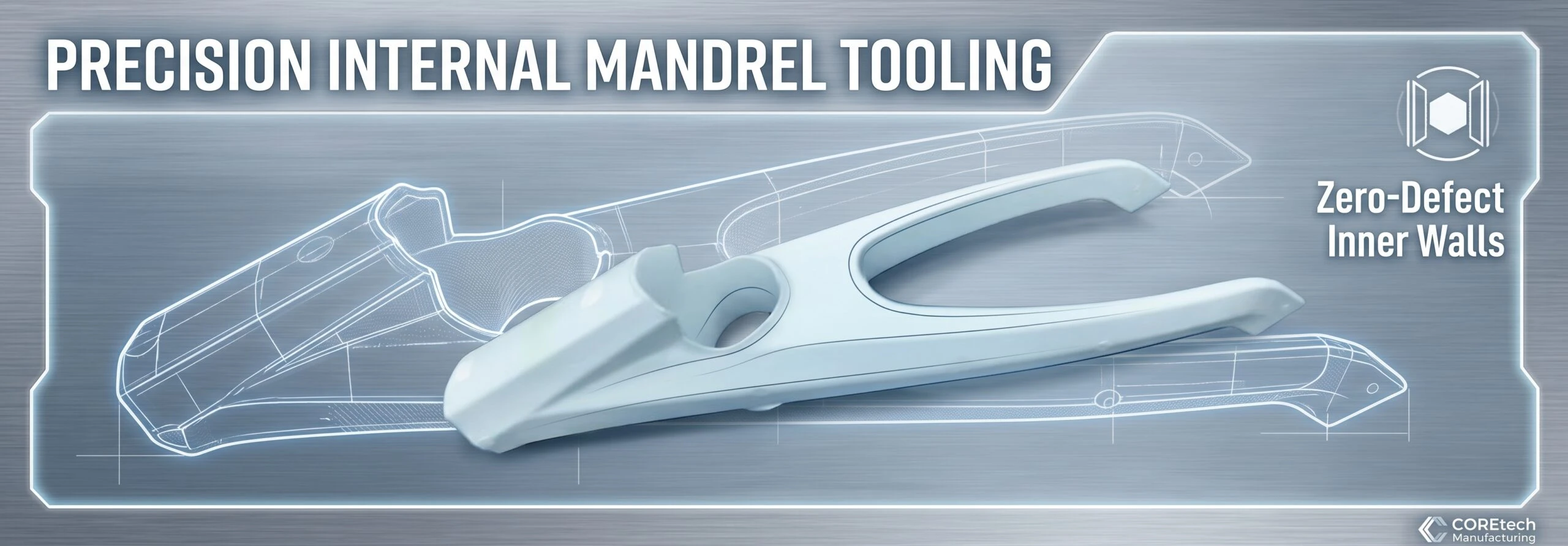
Cyclocross frames favor high stiffness for short sprints and quick response. They typically feature a high bottom bracket and a short wheelbase, enabling precise control over obstacles and tight turns. Gravel bicycles, on the other hand, balance lightweighting with flexibility and stability, with long wheelbase designs enhancing cruising comfort. By optimizing the carbon fiber gravel bike layup, manufacturers can maintain lightweight while providing the required stiffness, balancing climbing efficiency, handling, and long-distance riding endurance.
2.2 Vibration Absorption and Comfort
Gravel bikes’ advantages for long-distance riding lie in their wider tires, lower bottom bracket, and highly flexible carbon fiber layout, which effectively absorb vibrations on gravel or muddy roads, reducing wrist and shoulder fatigue. Cyclocross bikes, on the other hand, tend to be more short-distance, high-intensity riding. While frames with high rigidity offer limited vibration absorption, riders often describe the “racy feel” as a quick response and sharp road feel. When choosing a carbon fiber gravel bike, vibration absorption optimization (compliance tuning) can be combined for a more comfortable ride.
2.3 Durability and Maintenance Cost
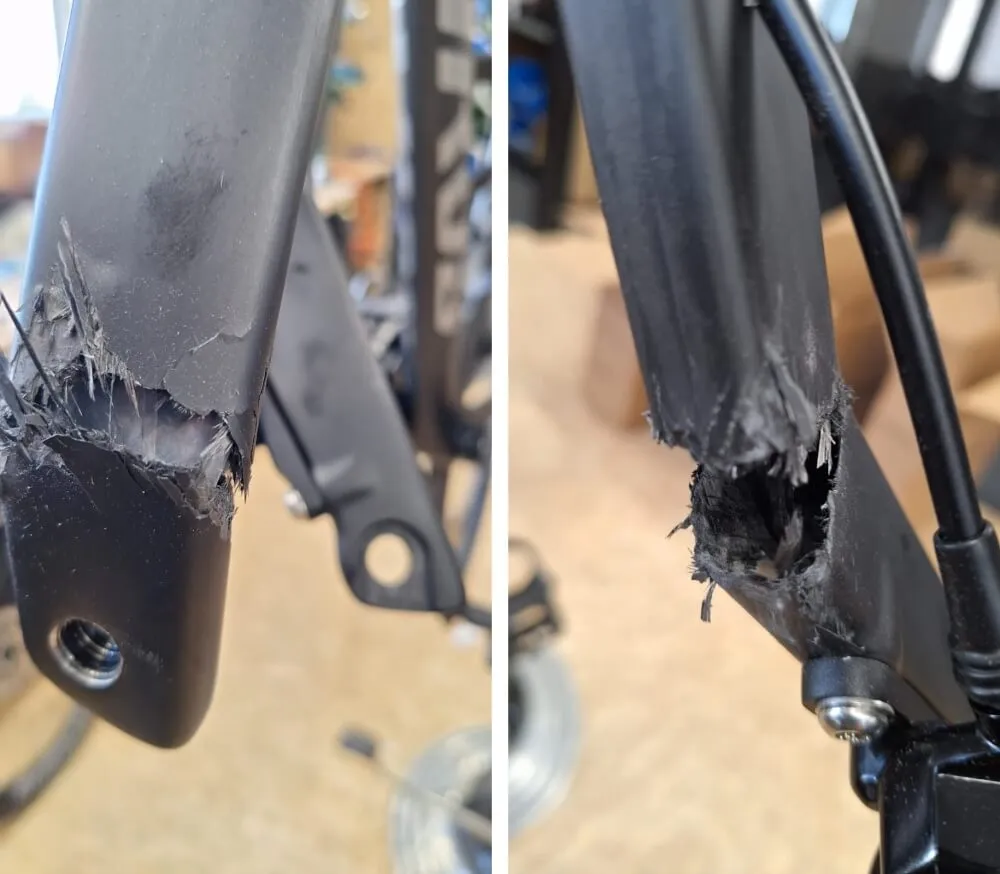
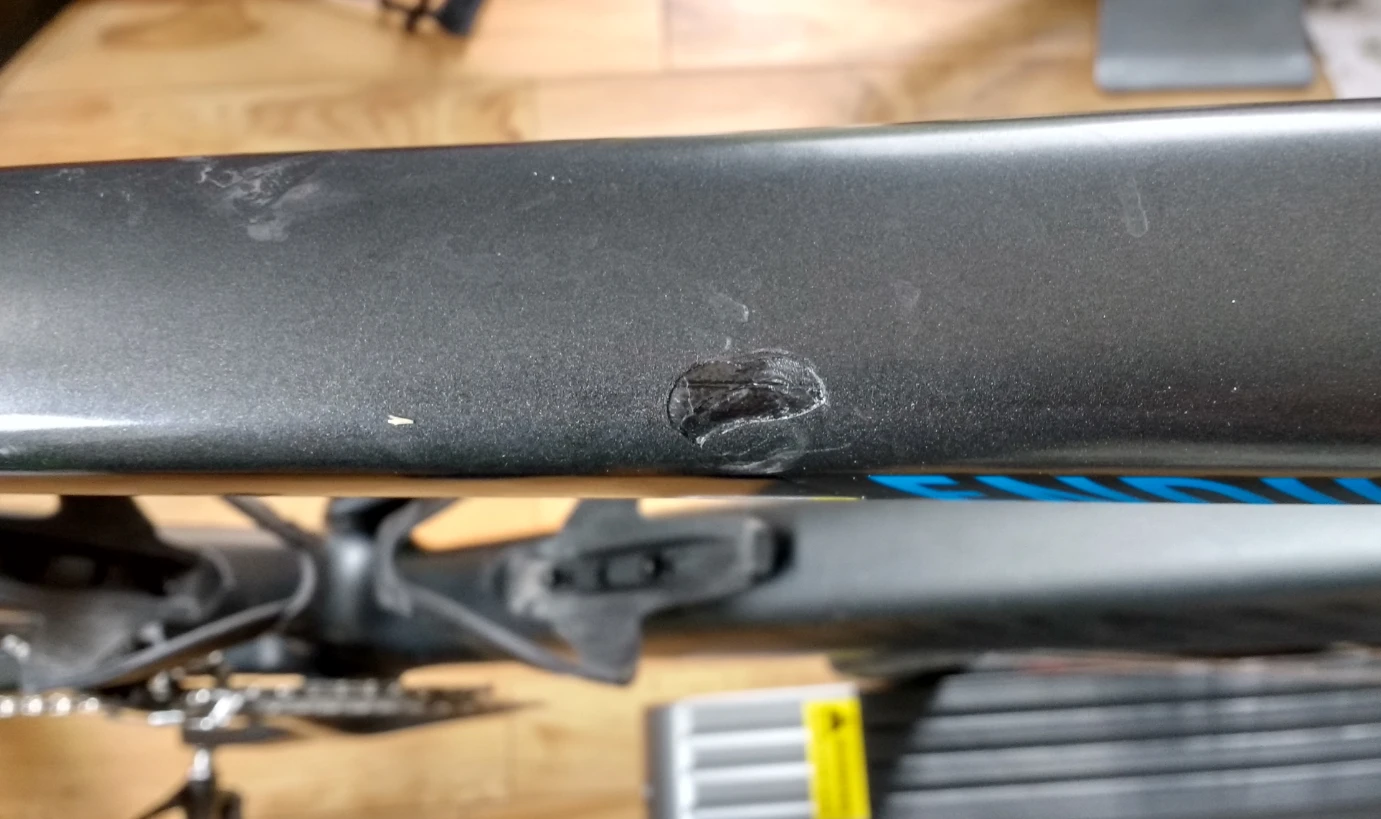
The durability of a carbon fiber frame on gravel and muddy roads depends on the layup process and resin quality. Cyclocross bikes’ short, high-intensity use can lead to localized impacts, while gravel bikes’ long-term use with luggage or the pressure of wide tires can increase the risk of microcracking. Routine maintenance includes checking the base bracket, chainstays, fork interface, and seatpost tightening. In the European and American markets, riders often call this durable carbon fiber frame “bombproof carbon,” meaning that it can maintain stable performance even under long-distance adventures or minor impacts.
Which Carbon Fiber Bike is Right for Your Cycling Needs?
Choosing the right carbon fiber bike depends on frame material, riding scenarios, performance priorities, and budget. Cyclocross and gravel bikes each have advantages: Cyclocross offers short-distance power and responsiveness for track sprints or technical off-roading; gravel bikes provide long-distance comfort and stability for gravel roads, country trails, and light off-road use. Understanding these differences helps riders select the best carbon frame gravel bike or gravel bicycle for optimal efficiency and enjoyment.
3.1 Cycling Scenario Analysis
Racing vs. Leisure Touring: Cyclocross prioritizes speed and control, ideal for track racing or short, fast rides; gravel bikes focus on comfort and stability, better for weekend adventures, local exploration, or long-distance rides.
Urban Riding vs. Off-Road Exploration: Gravel bikes’ wide tires and multiple mounting points make gear carrying easy, ideal for bikepacking or mixed urban and rural routes. Cyclocross bikes excel in agility on roads and tracks, but long-distance comfort is limited.
3.2 Performance or Comfort Prioritized
Choice depends on riding goals: Riders seeking responsiveness and control suit cyclocross; those wanting long-distance stability, vibration absorption, and gear capacity suit carbon fiber gravel bikes. In the US and EU, riders call highly rigid, short-wheelbase bikes “race-ready carbon,” and long-wheelbase, comfortable bikes “adventure-ready.”
3.3 Budget and Value Considerations
Entry-level carbon bikes, such as theGV201 gravel frame, are ideal for beginners or casual riders, typically priced around $600–$900 for a frameset. The GV201 offers reliable stiffness and comfort, making it a cost-effective choice for weekend gravel rides. Though slightly heavier than high-end models, it delivers impressive value and stability for those starting their gravel adventure.
Mid-range models, usually between $1,000–$1,800, feature better carbon layups, improved vibration damping, and cleaner cable routing—perfect for riders who balance comfort and endurance. Models like haideliBikes CR060 represent this category well, offering a solid blend of lightweight performance and long-distance reliability.
High-end carbon gravel frames priced above $2,000, use advanced layup techniques, high-modulus carbon, and integrated cockpit designs to minimize weight while maximizing stiffness and long-ride comfort. These frames are often chosen by serious cyclists and bikepacking enthusiasts aiming for both performance and durability.
Summary and Buying Recommendations
Choosing a carbon fiber bike depends on your riding goals, terrain, comfort, and budget. Cyclocross frames feature short wheelbases and high rigidity for fast, technical racing—often called race-ready carbon. Gravel frames, with longer wheelbases and wider tires, are stable and comfortable for long rides—known as adventure-ready.
Carbon gravel frames combine light weight with vibration damping. Entry-level models suit weekend rides, while high-end versions use advanced resin and reinforced layups for better performance and durability. Contact HaideliBikes to find the right carbon gravel frameset for your next ride.