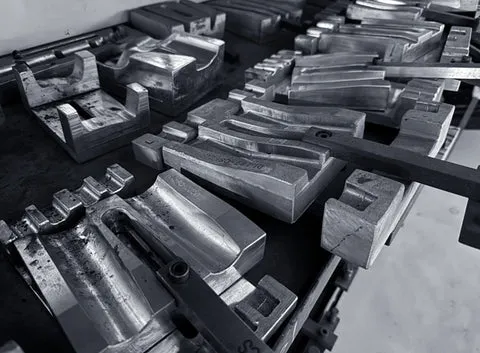
Carbon fiber mountain bike frames not only represent lightness and high rigidity, but are also the core of the bike’s overall performance. According to data from BikeRadar and Pinkbike, over 70% of mid- to high-end cyclists choose carbon fiber frames for their strength, torsional resistance, and responsiveness. However, many riders experience frame damage not due to material issues but rather to improper use—for example, overtorquing screws, incorrectly installing accessories, and overlooking microcracks.
High-quality carbon fiber MTB frames utilize a monocoque layup process. The layup direction and resin ratio of each carbon fiber layer are carefully calculated to achieve optimal rigidity at different stress points. Improper tightening during assembly or prolonged exposure to sunlight can disrupt this mechanical balance. As the industry saying goes, “It’s not the ride that’s the problem with a carbon fiber frame; it’s the torque that’s the problem.”
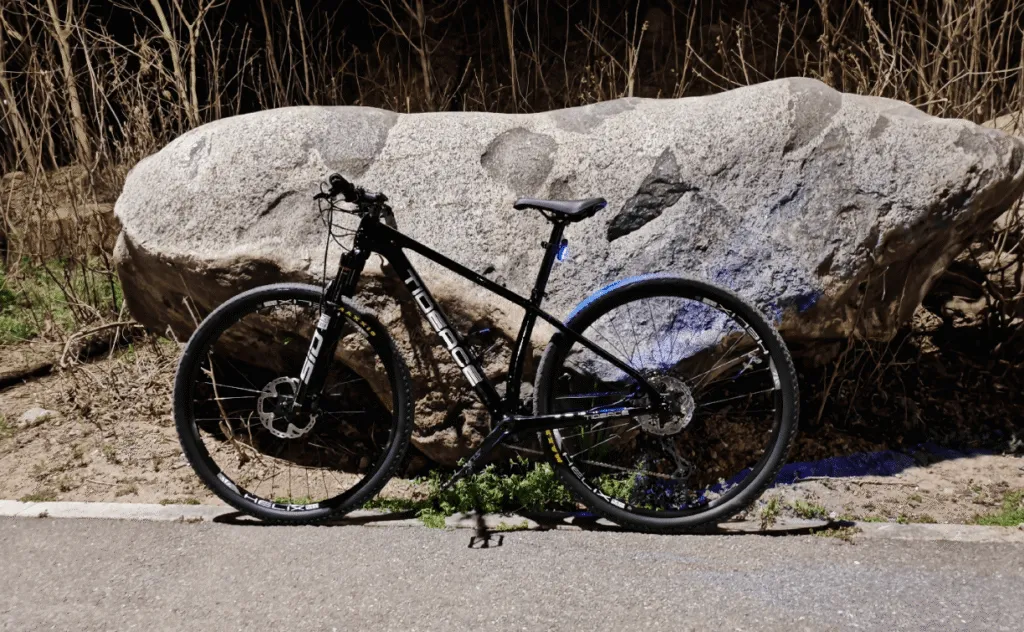
Proper maintenance is key to maintaining optimal performance on your MTB carbon fiber frame. Regular cleaning, inspection, and proper storage are essential to ensure your MTB bike frame maintains its strength, flexibility, and unique “ride feel” over years of trail riding.
Why Carbon MTB Bike Frames Are So Popular Among Riders
Carbon fiber mountain bike frames have become a core feature of high-end bikes. They are not only lightweight, but also highly sought after for their adjustable stiffness distribution and unique ride feedback. Compared to metal materials, carbon fiber, through a precise carbon layup and resin ratio, achieves both stiffness and flexibility at different stress points, allowing riders to achieve more efficient energy transfer on trail, enduro, and cross-country races. According to Statista’s “Global Mountain Bike Market Report 2024,” carbon fiber frames already account for over 60% of the mid-to-high-end mountain bike market and continue to grow.
1: The Advantages of Carbon Fiber MTB Frame Technology
The greatest advantages of carbon fiber frames are their lightness, stiffness, and flexibility. Compared to aluminum or titanium alloy MTB frames, they can reduce weight by 20–30% while offering higher torsional stiffness. This allows the carbon frame to maintain better tracking on descents and improve energy transfer efficiency on climbs. Manufacturers achieve different riding characteristics by adjusting the fiber orientation, known in the industry as “tuning the lay-up,” and it’s a “black art” in custom frames.
Advanced resin systems and a vacuum curing process ensure that MTB carbon fiber frames are both impact-resistant and lightweight. Highly tested MTB frames maintain structural stability and responsive handling on challenging trails.
2: Common Misunderstandings About Carbon Frames
Many riders still believe that carbon fiber MTB frames are “easily broken,” but high-quality carbon frames far surpass aluminum alloys in impact and fatigue resistance. Problems often arise from improper assembly, incorrect torque, or poor workmanship. Top manufacturers perform ultrasonic and fatigue testing after molding to ensure the laminate structure is free of voids.
Another misconception is that carbon frames are “brittle.” In reality, their failure mode differs from that of metal; they absorb impact energy through fiber breakage. Industry technicians often say: “It’s your hands, not the mountain, that ruins a carbon frame.” This shows that proper assembly and maintenance are far more critical than the material itself.
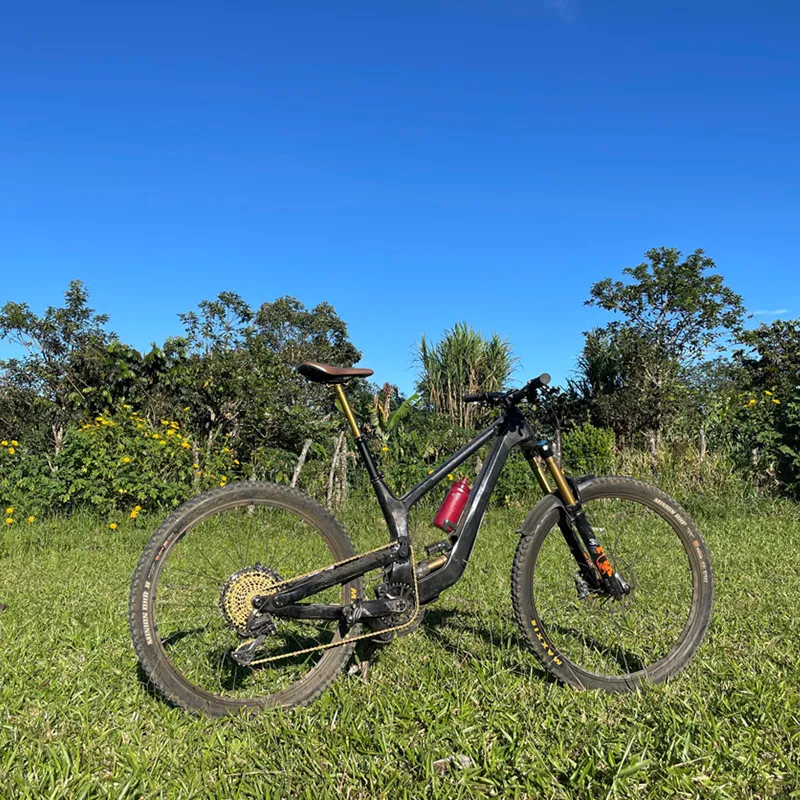
Mistake #1 — Over-Tightening Bolts on Your Carbon MTB Bike Frame
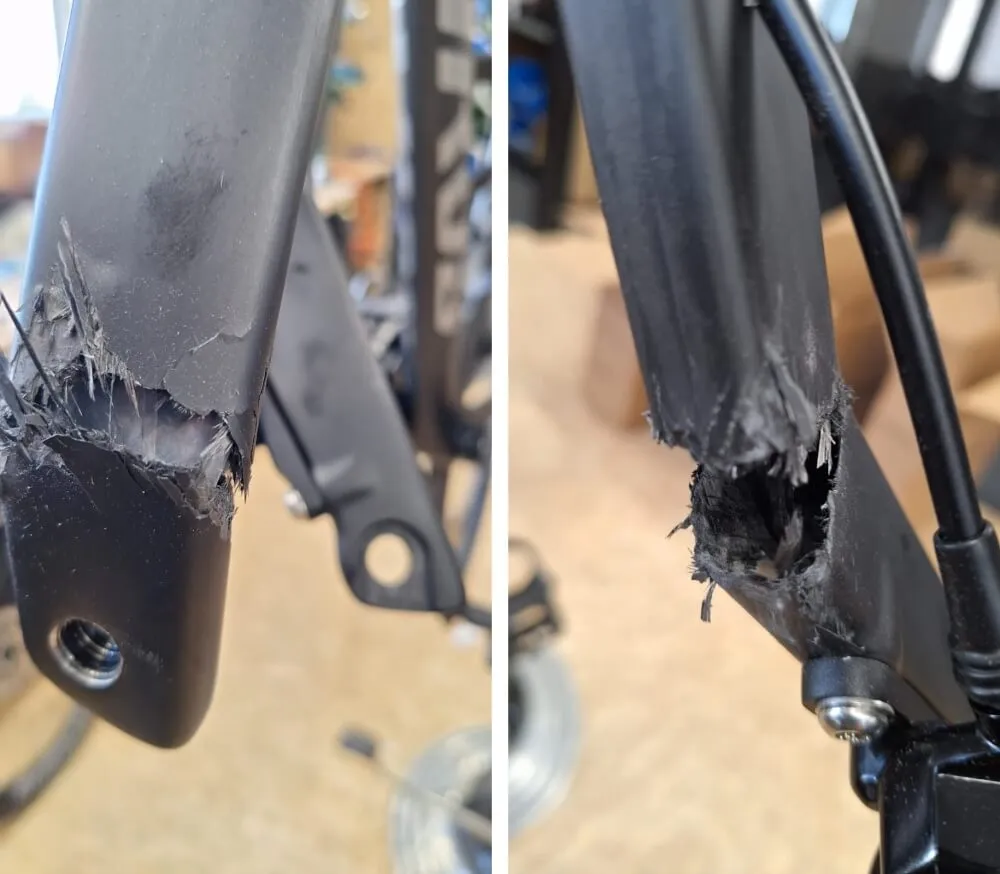
Many riders overtighten their carbon MTB bike frames for “better stability,” ignoring the stress-bearing properties of carbon fiber. Carbon fiber’s strength lies primarily along the fiber direction. Excessive lateral stress can cause microcracks or delamination between layers. Even if the appearance is intact, hidden fatigue may occur. Proper torque and installation method are key to extending the life of your carbon fiber MTB frame.
Why Torque Matters on an MTB Carbon Fiber Frame
Key stress points on carbon fiber MTB frames—the stem, seatpost clamp, and bottom bracket—have recommended torque values. Excessive torque can cause compression cracks or fiber delamination, known as “silent killers” by mechanics.
Using a torque wrench and applying carbon assembly paste can reduce the required torque and protect the frame. The seat clamp, stem, and bottom bracket are the most vulnerable areas; even the slightest misalignment can lead to structural fatigue during trail or downhill riding. Understanding carbon frame mechanics and proper torque management are fundamental to ensuring the safety and performance of your MTB bike frame.
| Common Mistake | Correct Approach |
|---|---|
| Using a regular wrench to tighten bolts casually | Use a torque wrench and strictly follow the manufacturer’s recommended torque values |
| Ignoring the compressive properties of carbon fiber | Apply carbon fiber assembly paste or anti-slip compound on contact surfaces to reduce friction and localized pressure |
| Not using carbon-specific components | Use certified carbon fiber MTB components to ensure compatibility with the frame |
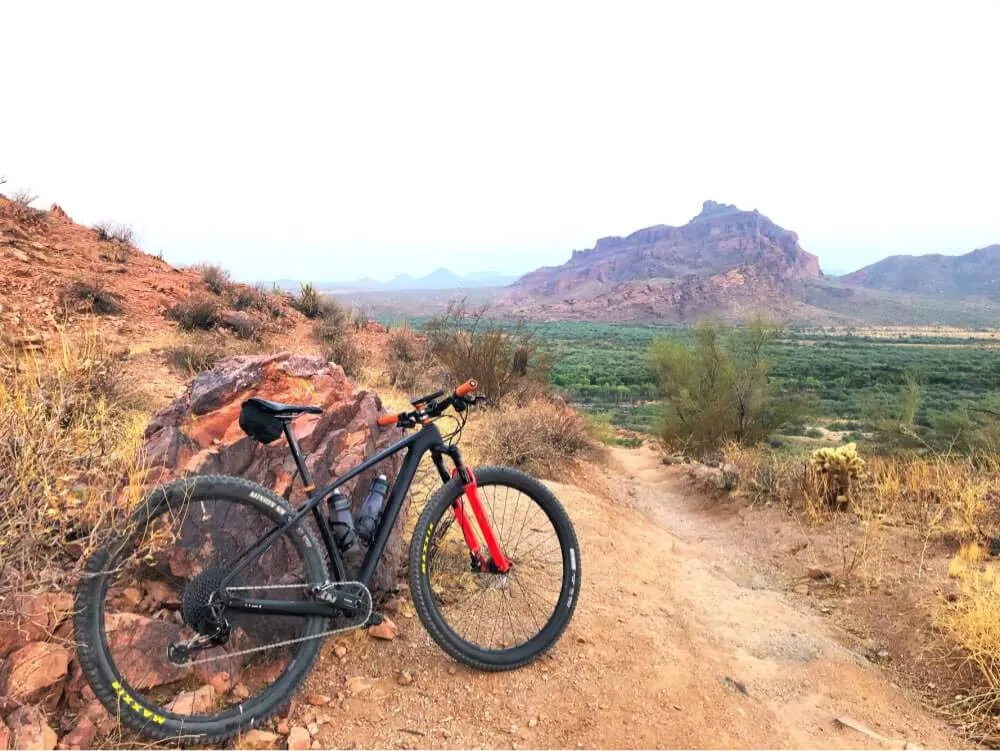
Mistake #2 — Ignoring Proper Maintenance and Cleaning
While carbon fiber mountain bike frames offer lightweight and high rigidity, they also require high maintenance requirements. Many riders neglect regular cleaning and maintenance, leading to cracks in the paint, resin loss between layers, and even micro-cracks on their frames. These problems are often difficult to detect early on, but they can affect the lifespan and riding experience of the entire bike. Proper maintenance not only protects the structural integrity of the carbon fiber frame but also maintains the sensitivity and controllability of the ride feel. Below are detailed instructions on how to properly clean and maintain your carbon fiber frame.
How to Clean a Carbon Fiber MTB Frame Correctly
Avoid using high-pressure water jets and strong acid or alkaline cleaners: High-pressure water jets can penetrate micro-cracks between layers, corroding the resin interface; strong acid or alkaline cleaners can damage the protective coating. A common saying in the industry is that “carbon hates abuse,” meaning that carbon frames are susceptible to rough treatment.
Recommended safe cleaning procedures: Use a soft-bristled brush or sponge with a neutral bicycle cleaning solution to scrub away dirt and grit from top to bottom, working from light to heavy. After rinsing, gently dry with a clean towel.
Daily maintenance and coating protection: Regularly apply a special protective wax or repellent, and inspect the coating for scratches or micro-cracks. Promptly clean after trail or muddy conditions to prevent grit from embedding into the carbon fiber surface.
Using these methods, your carbon fiber MTB frame will not only maintain its beautiful appearance but also extend its lifespan, ensuring optimal performance over long distances and rugged conditions.
Mistake #3 — Mounting Accessories the Wrong Way
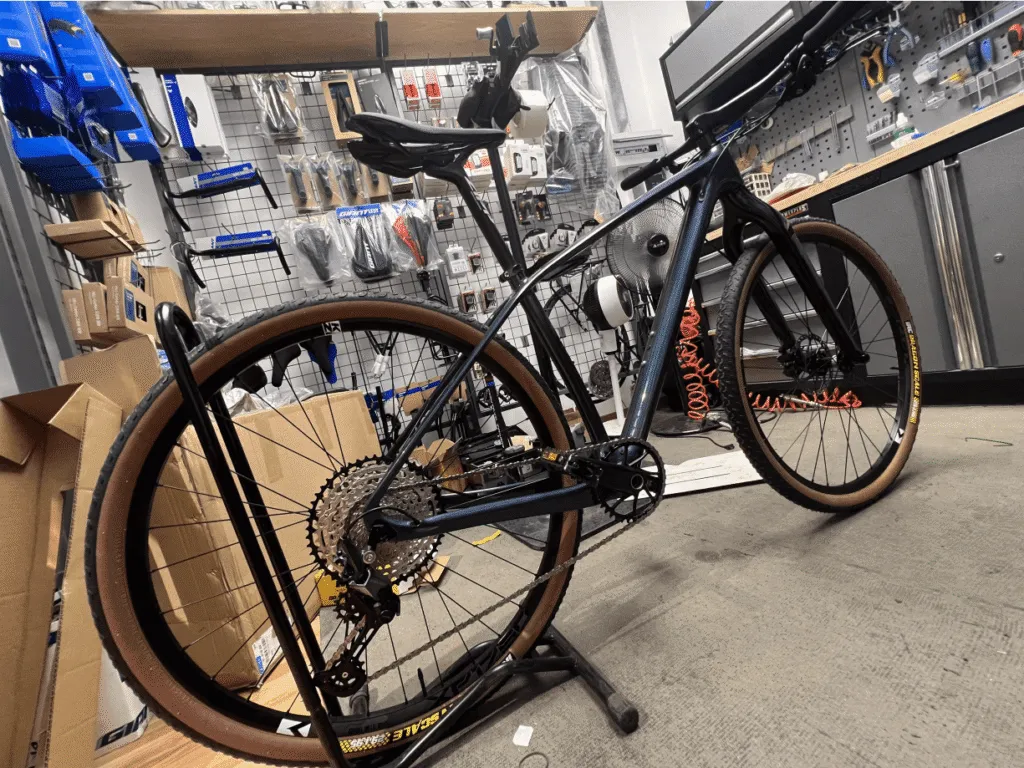
When using a carbon MTB bike frame, many riders tend to overlook the importance of accessory installation. While small accessories like bottle cages, computer mounts, and racks (trail racks or cages) may seem insignificant, incorrect installation or the use of incompatible third-party parts can cause irreversible damage to the MTB carbon fiber frame’s structure. This is especially true for the monocoque construction commonly used in high-end frames, where each mounting hole is optimized for loads. Casually modifying the frame can disrupt the original stress distribution, impacting ride feel and safety. Understanding installation specifications and selecting the right accessories are crucial to maintaining the performance and extending the life of your MTB bike frame.
How Add-ons Can Damage Your MTB Bike Frame
Improper accessory installation can cause localized excessive stress in the carbon fiber laminate, leading to micro-cracks or hidden structural damage. For example, forcibly attaching a bottle cage or incompatible tailgate can cause localized stress concentrations on bumpy roads. There’s a saying in the industry: “Carbon frames fear hard buckles and overtightening,” cautioning riders against overtightening screws or using untested mounts.
To determine whether mounting holes are suitable, refer to the manufacturer’s torque specifications and accessory compatibility chart (usually marked with M5 and M6 screw holes and standard cage mount positions). Also, prioritize certified carbon fiber MTB frame accessories and use a torque wrench for installation to ensure optimal frame stiffness and stability during extended trail rides.
Mistake #4 — Ignoring Small Cracks or Paint Chips
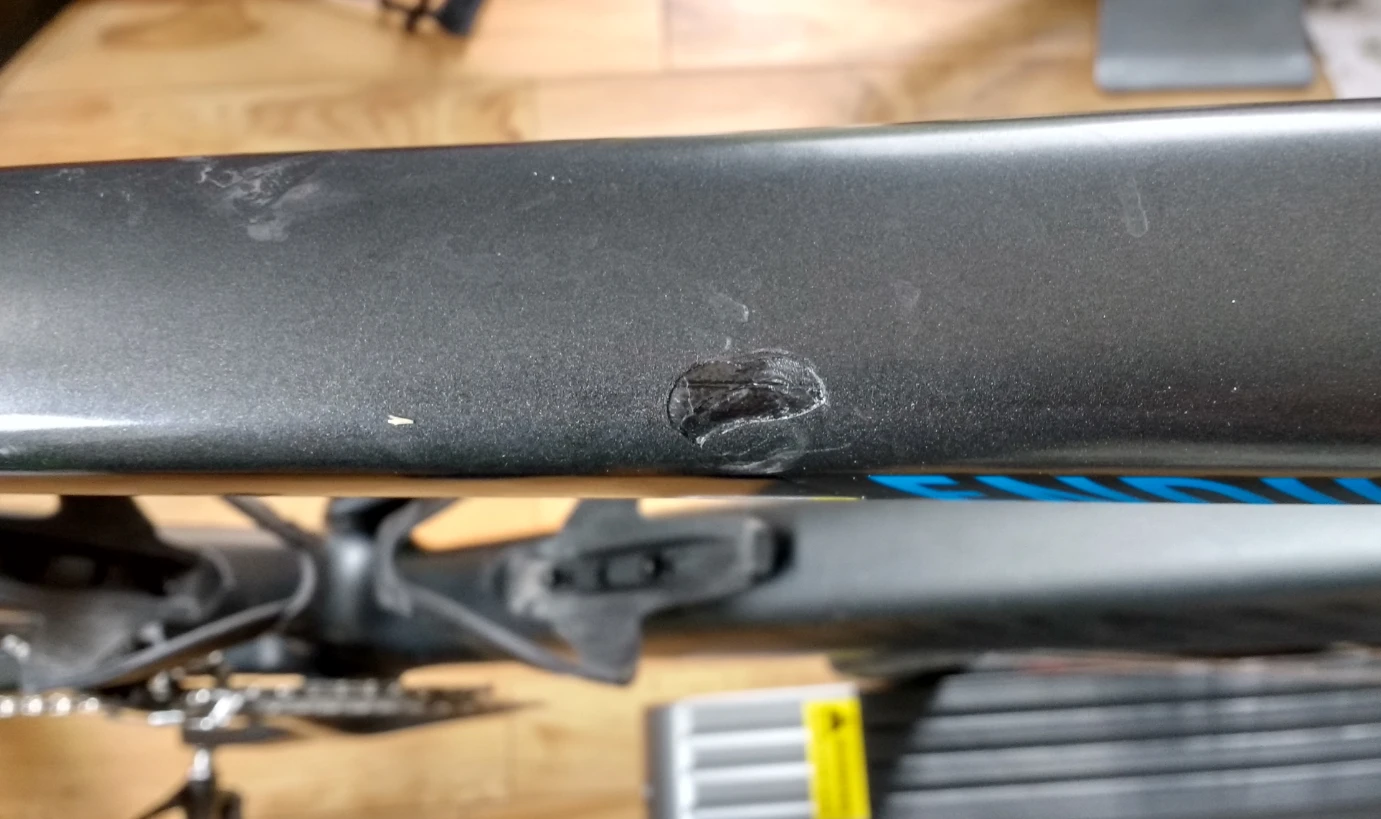
Many riders ignore minor surface cracks or paint damage on their carbon MTB bike frames, dismissing them as cosmetic issues. However, these small cracks can actually conceal areas of structural stress concentration. With continued use, these minor cracks can develop into structural cracks, threatening the overall strength and durability of the carbon fiber frame. Understanding crack types, conducting regular inspections, and implementing preventive measures are essential skills for every rider to protect their bike frame.
Why cosmetic cracks on carbon MTB bike frames can be dangerous
First, it’s important to distinguish between “paint chips/cracks” and “structural cracks.” Paint chips are mostly peeling paint or minor abrasions, which don’t directly affect the mechanical properties of the carbon fiber MTB frame, but they still need to be recorded and observed. Structural cracks, on the other hand, propagate through the carbon fiber layers and can cause localized loss of rigidity or even fracture.
If you discover a suspected crack, you should immediately have it professionally inspected. As a manufacturer, we subject our carbon MTB bike frames to strength tests that exceed EN standards by 30% before shipment, and use ultrasonic and X-ray inspections on critical stress areas to ensure the safety of our MTB bike frames.
To prevent cracks from spreading, you can take the following measures: avoid prolonged impacts or high-intensity descents, reduce overtightening or improper installation, and use appropriate frame protectors to cover high-wear areas. Making a habit of regularly inspecting your MTB carbon fiber frame will maximize its lifespan while maintaining a responsive “ride feel.”
Mistake #5 — Using the Wrong Torque or Seatpost Material
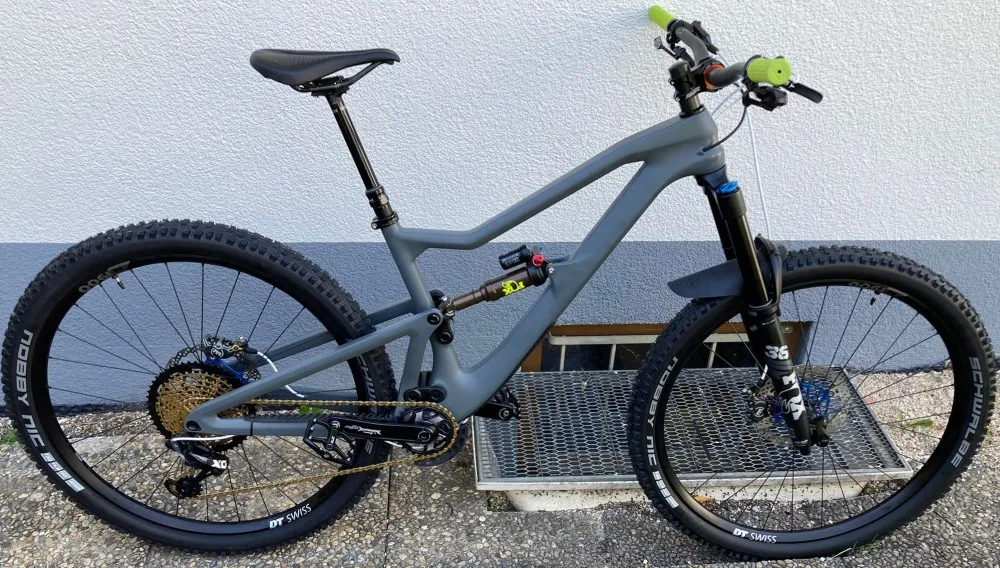
Many riders neglect to match the screw torque and seatpost material when installing their carbon MTB frames, which can directly impact the frame’s lifespan and riding safety. Incorrect torque or mismatched metal parts can easily cause localized stress concentrations, leading to delamination or crack propagation in the carbon fiber layers. Proper component selection and installation are crucial, especially for high-end MTB carbon fiber frames and MTB bike frames. This section provides professional guidance on common compatibility issues, material selection, and proper installation methods to help riders avoid potential damage.
Compatibility Issues with MTB Carbon Fiber Frames
1. Galvanic Corrosion Issues with Carbon Fiber Frames and Metal Parts
Prolonged contact between carbon fiber frames and metal parts (such as aluminum alloy seatpost clamps and steel crankarms) can cause galvanic corrosion, especially in wet or muddy conditions. Using incompatible materials or missing insulating spacers can cause fine cracks at best, or even compromise structural integrity.
2. Material Recommendations for Seatpost, Crankarm, and Fork
- Seatpost: We recommend choosing carbon fiber or a compatible lightweight alloy. Use carbon fiber lubricant or anti-slip compound to prevent indentations or cracks caused by direct metal-to-metal friction.
- Crankset: We recommend choosing aluminum alloy or high-strength carbon fiber cranks to ensure a close fit with the bottom bracket (BB) interface.
Fork: For full carbon frames, it’s best to use a fork made of the same material or a carbon fiber fork marked as compatible to reduce stress concentration caused by differences in stiffness.
3. Proper Installation and Lubrication
Use a torque wrench to tighten the screws, especially the seatpost clamp and collet screws, strictly within the manufacturer’s recommended torque range.
Apply carbon fiber lubricant or anti-slip compound to the contact surfaces to reduce friction and localized pressure.
Avoid direct metal-to-metal contact with carbon fiber frames. Use plastic shims or insulating pads if necessary.
By following the above methods, the MTB carbon fiber frame can not only maintain long-term structural stability, but also achieve the best ride feel and responsiveness in trail and downhill riding.
Mistake #6 — Storing or Transporting Your Carbon MTB Bike Frame Incorrectly
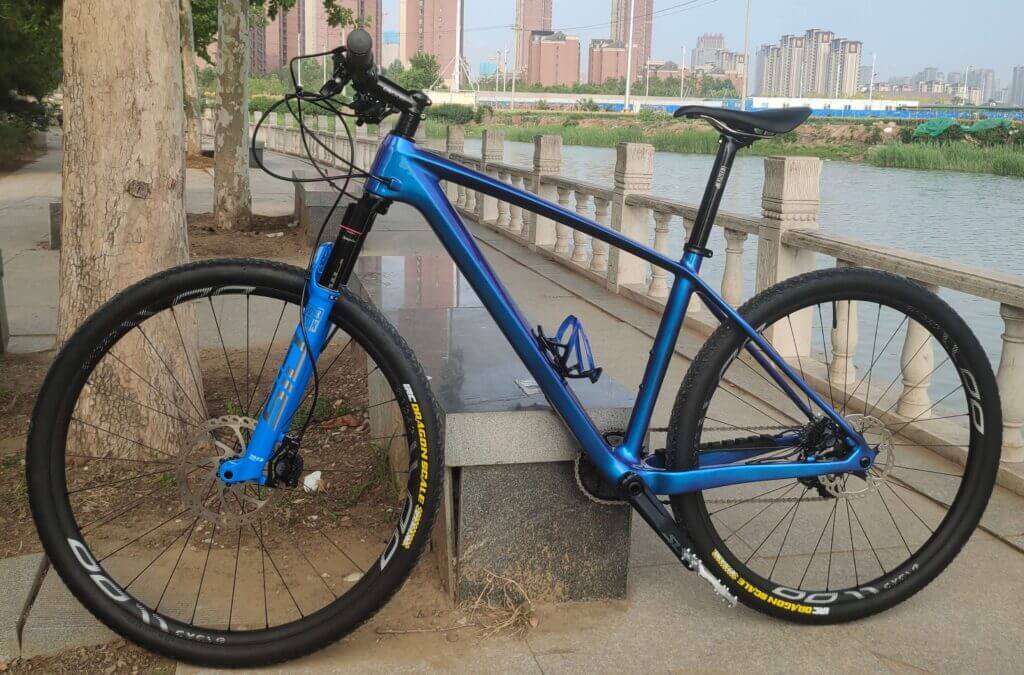
Proper storage and transportation of carbon fiber mountain bike frames is crucial, and many riders overlook this. Even high-end carbon fiber frames can experience microscopic deformation in the resin and carbon fiber layup if subjected to prolonged pressure, heat, or direct sunlight, affecting the overall stiffness and ride feel. Furthermore, improper transportation can easily lead to hairline cracks, especially in stress-intensive areas like the fork mount, downtube, and seat tube. Proper storage and transportation are essential to ensuring your MTB frame maintains stable performance over years of trail or enduro riding.
Common Storage Mistakes Riders Overlook
1. Prolonged Pressure, Heat, or Direct Sunlight
Unlike aluminum or steel frames, carbon frames exposed to prolonged pressure or direct sunlight can degrade the resin matrix or cause localized delamination of the laminate. It’s recommended to store your carbon fiber MTB frame in a dry, cool, and evenly supported area. Avoid leaning against walls or placing it under heavy objects.
2. Risk of Hidden Cracks Caused by Improper Securement During Transportation
If the MTB frame isn’t properly secured during transportation, even slight movement can cause microcracks in the downtube, headtube, or chainstay. Using a dedicated bike rack, travel case, or padding is key to preventing transport damage.
3. How to Use Frame Protectors and Brackets
Using foam blocks, frame savers, or seatpost padding can effectively distribute pressure points and prevent localized indentations from cable rubs or quick-release clamps. Especially for high-end MTB carbon fiber frames, these small details can significantly extend the life of the entire vehicle.
Pro Tips from a Manufacturer with 10+ Years of Experience
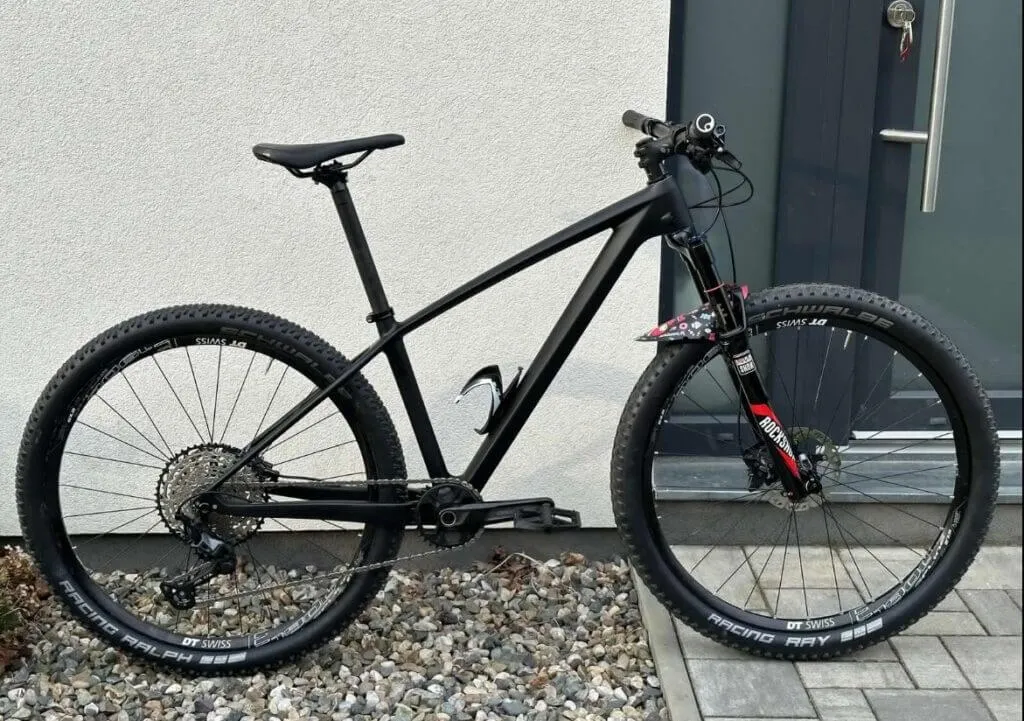
As a manufacturer with over a decade of experience producing carbon fiber bicycle components, we understand that the performance of a carbon MTB bike frame depends not only on the material but also on rigorous control at every stage, from design to production. When choosing a carbon fiber MTB frame, high-end riders prioritize durability and stability, in addition to lightness and stiffness. Below, we’ll share some of our professional production and testing experience to demonstrate why high-quality MTB bike frames maintain exceptional performance over years of trail riding. This naturally leads to H3: How we conduct comprehensive testing throughout the production process.
How we test every carbon MTB bike frame in production
Every carbon fiber MTB frame undergoes a rigorous quality control process, meticulously calculated from mold design to layup.
Our testing standards exceed EN specifications by 30%, encompassing multiple indicators such as static pressure, dynamic impact, and torque resistance, ensuring the frame will not be damaged by unexpected forces during actual riding. Through comprehensive quality control, every MTB bike frame is guaranteed to maintain optimal stiffness distribution, optimized weight, and withstand the test of long-term use.
This is why high-quality MTB carbon fiber frames maintain their “ride feel” for years of trail and off-road riding, without experiencing common cracks or performance degradation. As the industry saying goes, “A good carbon fiber frame can withstand both falls and time,” a testament to scientific design and rigorous testing.
Conclusion — Ride Smarter, Not Harder with Your Carbon MTB Bike Frame
Although carbon fiber mountain bike frames are lightweight and highly rigid, they require careful use and maintenance. This article summarizes the most common usage errors and provides professional preventative measures:
- Torque Control: Overtightening bolts is the leading cause of damage to carbon frames. It is recommended to use a torque wrench and strictly adhere to the manufacturer’s recommended values.
- Accessory Installation: Use compatible and tested accessories such as bottle cages, computer mounts, and racks to avoid damaging the carbon tubes or causing stress concentrations at critical points.
- Daily Maintenance: Avoid high-pressure cleaning with water jets or strong acid or alkaline cleaners. Regularly inspect for microscopic surface cracks (commonly known as “hairline cracks”). Prompt treatment can extend the life of the frame.
- Storage and Transportation: Avoid prolonged exposure to heat or pressure. Use protective pads and stable supports during transportation to prevent potential delamination or structural cracks.
- Material Compatibility: Ensure anti-corrosion treatment when carbon fiber comes into contact with metal parts, and choose compatible seatposts, forks, and cranks to reduce the risk of galvanic corrosion.
Following these guidelines will not only maximize the performance of your MTB bike frame, but also provide a smoother and safer riding experience. Combining the testing standards developed by professional manufacturers over a decade of experience (including quality inspections that exceed EN standards by 30%), choosing a high-quality carbon fiber MTB frame or MTB carbon fiber frame ensures long-term durability.
Ultimately, proper use and maintenance of your MTB bike frame is the key to “riding smart, not hard.” The advice in this article will naturally guide readers toward high-quality products, enhance brand trust, and provide safer and more professional choices by directing them to product pages or customized service pages.